Top 7 Foods to Manage Chronic Kidney Disease
Food habits and choices have a direct impact on one’s overall well-being. Overeating certain unhealthy foods can directly impact many organs, including the kidney, heart, and stomach. For example, a person with a chronic kidney condition should keep a close eye on regular meals to avoid worsening the condition and stay active. These poor eating habits may eventually lead to health problems. Here are some of the best foods to treat chronic kidney conditions and other nutritional tips for a healthy lifestyle.
Best foods for kidney conditions
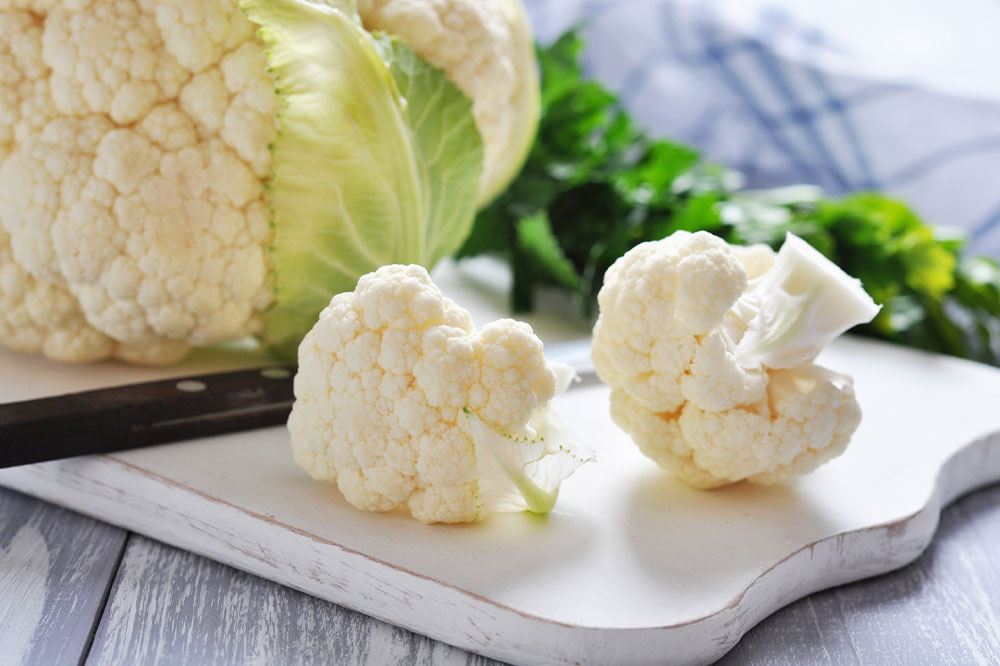
Cauliflower
This cruciferous vegetable is high in vitamin C and is a good source of fiber and folate. It also contains indoles, glucosinolates, and thiocyanates, which help the liver neutralize harmful chemicals that may damage cell membranes and DNA. It can be served steamed, boiled, or raw with a dip. It can also be tossed in a salad with spices such as turmeric, curry powder, pepper, and herb seasonings. Cauliflower can be combined with spaghetti or mashed as a dialysis meal replacement for mashed potatoes. 1/2 cup of cooked cauliflower contains 9 mg of sodium, 88 mg of potassium, and 20 mg of phosphorus.
Onions
Onion is a common condiment in many prepared dishes, and it contains sulfur compounds that give it its pungent aroma. It’s also high in flavonoids, such as quercetin, a powerful antioxidant that may help prevent heart and kidney conditions and certain cancers. Onions are low in potassium but high in chromium, a mineral that aids in the digestion of carbohydrates, fat, and protein and promotes a healthy metabolism. Use a variety of onions, including white, brown, and red. Onions can be consumed raw or cooked and caramelized as a topping for burgers, sandwiches, and salads. Use an air fryer to make tasty onion foods like onion rings, which require very little oil.
Apple
Apples may help lower cholesterol, prevent constipation, protect against heart conditions, and lower cancer risk. It is an excellent food for people with kidney problems due to its high fiber content and anti-inflammatory properties. Apples can be eaten raw, baked into pies, or consumed as apple sauce, juice, or cider. They promote good health and work well as a dessert. For example, one medium apple with skin contains 0 mg sodium, 158 mg potassium, and 10 mg phosphorus.
Cranberries
Cranberries help to prevent bladder infections by preventing bacteria from adhering to the bladder membrane. Similarly, cranberries can protect the stomach from ulcer-causing bacteria and boost healthy gut bacteria, promoting GI health. Cranberries have also been shown to help prevent heart illness and cancer. Cranberry juice and sauce are the two most popular cranberry products. Dried cranberries can be eaten as a snack or added to salads and smoothies. For example, 1/2 cup of dried berries contains 2 mg of sodium, 24 mg of potassium, and 5 mg of phosphorus.
Red grapes
Red grapes have a high concentration of flavonoids, giving them a reddish color. Flavonoids protect against heart illness by preventing oxidation and lowering the formation of blood clots. It also contains flavonoids that may promote the production of nitric oxide, which helps relax blood vessel muscle cells and improve blood flow. These flavonoids also help to keep cancer and inflammation at bay. For dialysis patients on a fluid restriction, freeze grapes to eat as a snack or to quench thirst. Grapes can be combined with fruit or chicken salads. For example, 1/2 cup of red grapes has about 1 mg of sodium, 88 mg of potassium, and 4 mg of phosphorus.
Cabbage
Cabbage is high in phytochemicals, which are chemical substances found in fruits and vegetables that break up free radicals before they cause damage. Several phytochemicals have also been shown to protect cells from damage that can lead to cancer and poor cardiovascular health. Cabbage is high in fiber and a good source of vitamin B6, folic acid, vitamins K, C, and fiber. Its low potassium content makes it a cost-effective addition to a kidney-healthy meal. Raw cabbage makes a tasty coleslaw for dialysis meals or a topping for fish tacos. It can be steam-cooked, boiled, or microwaved; add pepper, butter, cream cheese, or caraway seeds as a side dish.
Red bell pepper
Red bell peppers are high in fiber, vitamins C and A, vitamin B6, and folic acid. They also taste great and contain little potassium. Red bell peppers are beneficial because they contain lycopene, an antioxidant that aids in preventing certain cancers. Red bell peppers can be consumed raw as a snack, as an entrée with a dip, or added to chicken or tuna salad. Red peppers can also be roasted as a garnish on salads or sandwiches. 1/2 cup red bell pepper contains 1 mg sodium, 88 mg potassium, and 10 mg phosphorus.
Nutritional tips for a chronic kidney condition
- Choose and cook foods with less salt and sodium to lower blood pressure, directly impacting kidney health. It is advisable to buy fresh foods as many prepared or packaged foods frequently contain sodium which is harmful to health. For example, instead of eating packaged food, fast food, freezer dinners, or canned foods with high sodium content, opt for home-cooked meals.
- Salt can be replaced with seasonings, herbs, and spices that don’t contain sodium. Look for sodium information on the Nutrition Facts label on food packaging. The contents of canned vegetables, beans, meats, and fish should be rinsed with water before consumption. Look for words like sodium-free or salt-free on food labels, low, reduced, no salt or sodium, or unsalted or lightly salted.
- Eat protein-rich foods in moderation. Protein can be found in plant and animal sources. Animal-protein foods include poultry, fish, meat, eggs, and dairy. Foods high in plant protein include grains, beans, and nuts. Use nonstick cooking spray or a little olive oil instead of butter. Trim the fat from the chicken’s flesh and remove the skin before eating. Consume trans and saturated fats in moderation. A well-balanced meal includes half of the plate filled with vegetables and fruits, one-quarter with lean protein, and one-quarter with whole grains.