Top 10 ways to manage anxiety
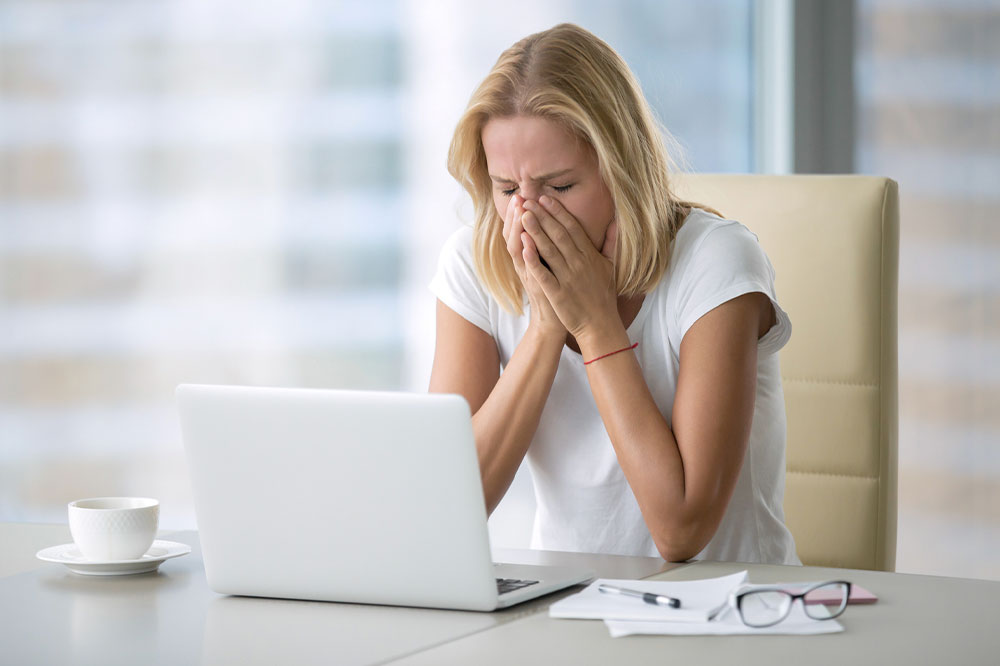
Anxiety has become very common in today’s age. Almost everyone feels anxious from time to time. It is a normal response when faced with testing times or a significant life change. But, if you are often anxious without any reason, it might be a cause for concern. Chronic anxiety can affect relationships, work performance, and a person’s general nature. Some common anxiety disorders include panic disorder, post-traumatic stress disorder, and social anxiety disorder.
What are the symptoms of anxiety disorder?
The most common signs include irritability, restlessness, uncontrolled worry, unusual fatigue, muscle tension, and frequent sleep issues. Those who experience these symptoms frequently should visit a professional. Health experts recommend a combination of treatments and cognitive therapy sessions depending on the severity.
How to manage anxiety?
Besides visiting a professional for expert guidance, here are a few things you can do at a personal level to feel relaxed:
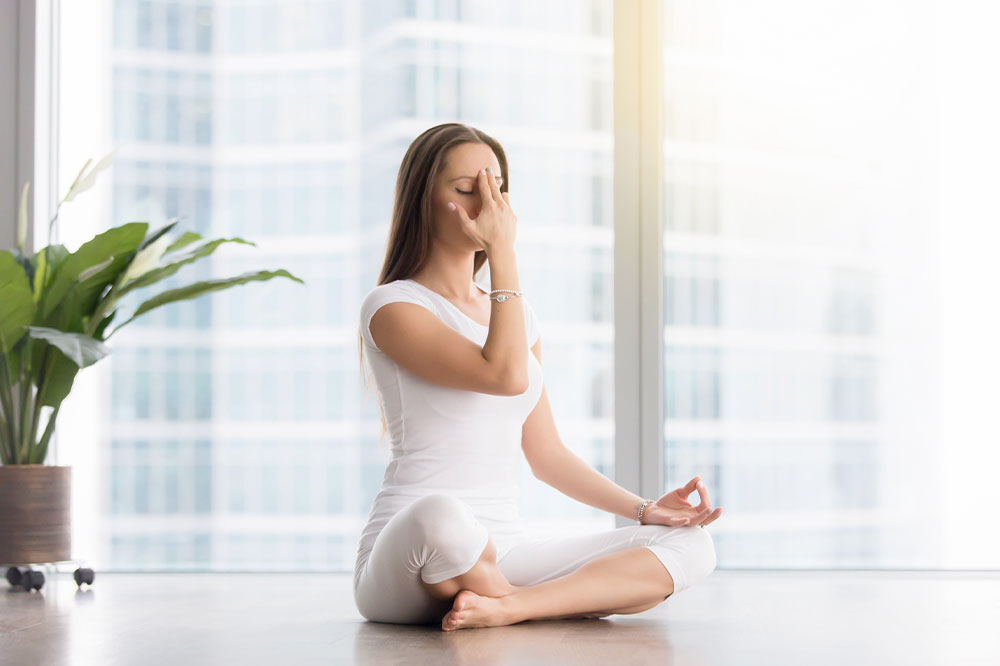
Try deep breathing
When anxious, stop for a moment and engage in deep breathing; sit up straight, take a long breath through your nose, and exhale slowly. This can help relax the muscles of your nose, shoulders, jaw, and abdominal area. It can also slow down the heart rate and lower blood pressure.
Get enough sleep
Sleep is incredibly essential for anyone to stay healthy and happy. Doctors say that a person should get around eight hours of sleep daily. If anxiety makes it hard for you to fall asleep, leave your screen behind when lying on your bed, follow a strict schedule, and ensure your sleep environment is comfortable. You may also maintain an optimum temperature in the bedroom to induce peaceful sleep.
Avoid stressful conversations
Try to ignore troublesome situations before bedtime. Do not address any difficulties. Just focus on relaxing so that your mind cools down. Indulging in meaningless conversations when overwhelmed, worked up, or tired can increase stress and deprive you of peace of mind.
Meditate
Mindful meditation is a great practice to reduce anxiety and psychological stress. If you are new to this field, try participating in guided meditation. Sit down on the floor, close your eyes, and chant some mantra. This mantra can be any positive sound or statement that makes you happy. If your mind is distracted initially, do not get frustrated. Try to practice meditation and follow a routine every day.
Reach out to someone close
If you often get anxious because of some personal reason, share it with a friend or family member you are close to. Talk to someone who offers a new perspective on your situation. If you need something, do not hesitate to ask. You can also spend time with your loved ones, go out for a movie, or just sit and talk your heart out. It is always better to talk to someone who cares. You can even join community help groups if the issue is too severe.
Exercise
There are several simple exercises to relax tensed muscles, but progressive muscle relaxation is perhaps the best. Just choose a group of muscles, tighten them for a few seconds, and then let go. Focus on one section at a time until most of the body feels relaxed. You can also engage in other forms of exercise, such as walking, yoga, and tai chi. Finding time for exercise can be challenging, but it can help significantly.
Look for triggers
If a particular place, situation, person, or time makes you anxious, try to avoid it. If needed, write down the list of triggers. Then look for patterns and find ways to confront the feeling of panic. Knowing the reason behind feeling anxious can make you better prepared to handle the situation.
Laugh
Anxiety is a serious issue and should not be taken lightly. Like deep breathing, laughing can help increase oxygen levels and relax tense muscles. Laughter makes a person feel good internally and lightens their mind. It can shift your focus and even help you forget the cause of worry. So, the next time you feel stressed, watch a comedy movie or call up that friend who always makes you laugh!
Be creative
If you are a creative person, use your creativity to control anxiety. If you are artistic, paint how you are feeling. Or hang a picture of a serene beach in your drawing room and take a mental vacation. If you love to write, pull out your journal and write down your feelings. These activities eliminate negative thoughts and help you appreciate the good things in life.
Be kind to yourself
Sometimes, you just need a break to do something that makes you feel good. So, go for a spa session, a massage, or even a soothing facial. If you are at home, just put a warm towel around your neck and shoulders. Then close your eyes and relax the muscles of your face and neck. This will help you disconnect yourself from the noise of the world. Even if you have just ten minutes, turn off your phone and enjoy some quiet time. While it might not seem a great deal, taking some me-time can help in the long run.
Anxiety disorder is no joke. If you feel anxious more than usual or get panic attacks when put in serious situations, it is time to work on the issue. You might want to list helpful strategies to tackle anxiety symptoms. If possible, write down all the fears and the ways to work on them. Remember, you need to acknowledge your issue first to deal with anxiety. If these tips do not work out, seek professional guidance so that your anxiety issue can be addressed on time. Visiting a mental health expert is especially necessary if the problem affects your everyday life and gets in the way of your productivity.