Top 10 mistakes that make food cravings worse
Food cravings are completely normal, as is indulging in them occasionally. However, when food cravings lead to overindulgence, they can be quite harmful. Moreover, battling food cravings becomes even tougher when one is trying to cut down on unhealthy food or switch to a healthier lifestyle. In trying to fight these cravings, one often makes mistakes that can exacerbate them. Here are ten common mistakes that can worsen food cravings and should be avoided:
1. Switching to bland or boring foods
When one thinks of switching to healthier food options, they often start incorporating bland food. Thinking that healthy food options need to be bland is a misconception. In fact, when one does not enjoy their food, it only makes them crave better-tasting food even more. So, instead of depriving oneself of taste, focusing on adding flavor and variety to the meals is better. For instance, incorporating spices, herbs, and seasonings can make the dishes more enjoyable. Savoring flavorful meals can then reduce the desire for unhealthy snacks.
2. Skipping meals
One of the biggest mistakes individuals often make in their daily routine is skipping meals, especially breakfast. Skipping meals makes one crave food even more. In fact, it leads to intense hunger later in the day, triggering cravings for high-calorie foods because the body needs to get its energy levels back up. So, eating regular, balanced meals is essential to maintaining steady energy levels throughout the day. A nutritious breakfast is especially important, as it sets the tone for the day and can help prevent mid-morning cravings.
3. Failing to address emotional causes
People often fail to realize that, a lot of times, persistent food cravings can have an emotional or psychological cause. This can include stress, boredom, or sadness, leading to overeating. So, if one notices this happening to them, they must identify and address the emotional causes of their cravings. They can also practice stress-reduction techniques, engage in hobbies, or seek support from friends or professionals to manage emotional triggers effectively.
4. Looking at images/videos of food
Spending too much time on social media or video-sharing platforms has quite a few downsides. One of them is triggering food cravings, especially for unhealthy food. This is because people often keep scrolling through food images or watching food videos on those platforms. This can intensify their cravings. Hence, one should be mindful of media consumption, especially when vulnerable to cravings. Or, they can opt for content that doesn’t revolve around food or keep themselves busy with non-food-related activities.
5. Taking big servings/portions of something
As mentioned earlier, indulging in cravings once in a while is alright. However, it is crucial to be mindful of how much one consumes. For instance, if one is craving a sweet treat, like a cake, it is better to satisfy that craving with just a small serving of the cake. Eating a large serving or multiple slices of cake at that time only worsens the craving and can lead to excessive calorie intake.
6. Failing to eat anything in the moments of craving
While it is important to be mindful of the portion size to consume, it is also important to consume something in moments of craving. Often, to resist cravings, individuals avoid eating completely. However, this can backfire and lead to binge eating later in the day. A better idea is to opt for healthier alternatives in times of craving. For instance, if one is craving something sweet, they can have a piece of fruit. They can try a handful of nuts or whole-grain crackers if they crave something salty.
7. Not including protein in meals
Protein can keep one feeling full and satisfied for longer periods of time. So, one of the best ways to beat food cravings is to include protein in one’s breakfast. This way, one can go on with their day without feeling hungry or craving for a long time (at least until lunch). Consuming meals containing adequate protein promotes satiety and stable energy levels. Some lean protein sources one can incorporate in their food regimen include eggs, lean meats, tofu, and yogurt.
8. Sleeping late
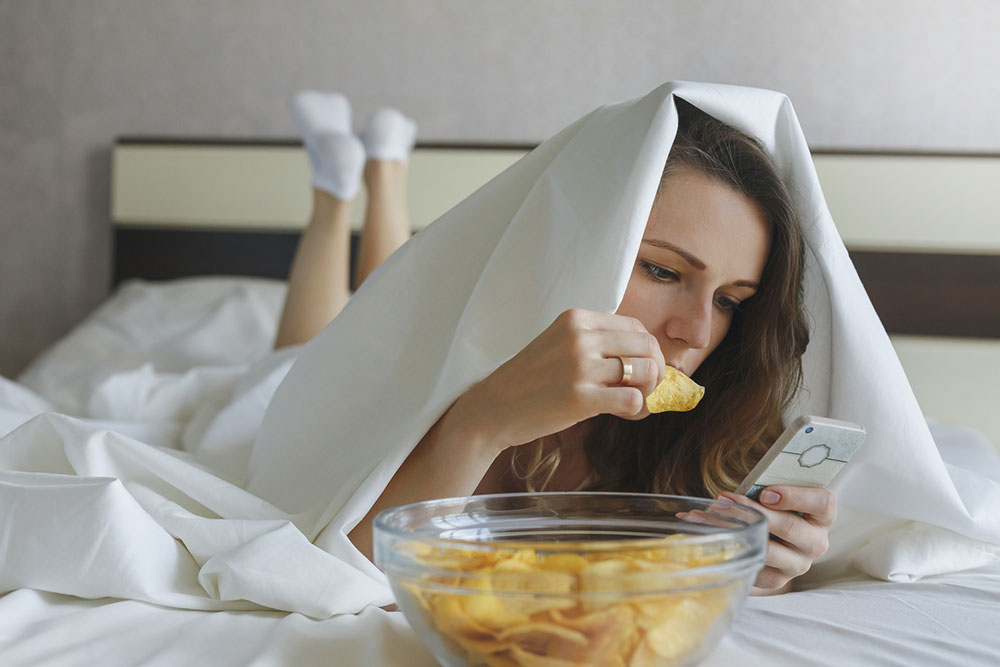
Staying up late can disrupt the body’s hunger-regulating hormones, potentially triggering late-night cravings, and most of the time, these cravings are for foods with high sugar or salt content. Moreover, after an irregular sleep, the weariness and fatigue upon waking up can also cause one to give in to their cravings and consume high-calorie foods. So, to battle cravings, it is essential to go to bed early and get sufficient sleep. A good night’s sleep helps maintain hormonal balance, reducing the likelihood of late-night snacking.
9. Feeling guilty after eating
It is tough to fight food cravings. And it is common for an individual to give in to cravings sometimes. However, if one has given in, it is better to enjoy that treat. Because if one feels guilty for their indulgence, they can fall into a vicious cycle of cravings and emotional eating. Hence, individuals must avoid feeling guilty over occasional indulgences.
10. Not staying hydrated
Last but not least, if one does not stay adequately hydrated, they might crave food. This is because it is common for people to sometimes mistake the feeling of thirst for a feeling of hunger. As a result, one might turn to unnecessary snacking and calorie consumption. So, it is important to ensure that one stays well-hydrated by drinking an adequate amount of water.