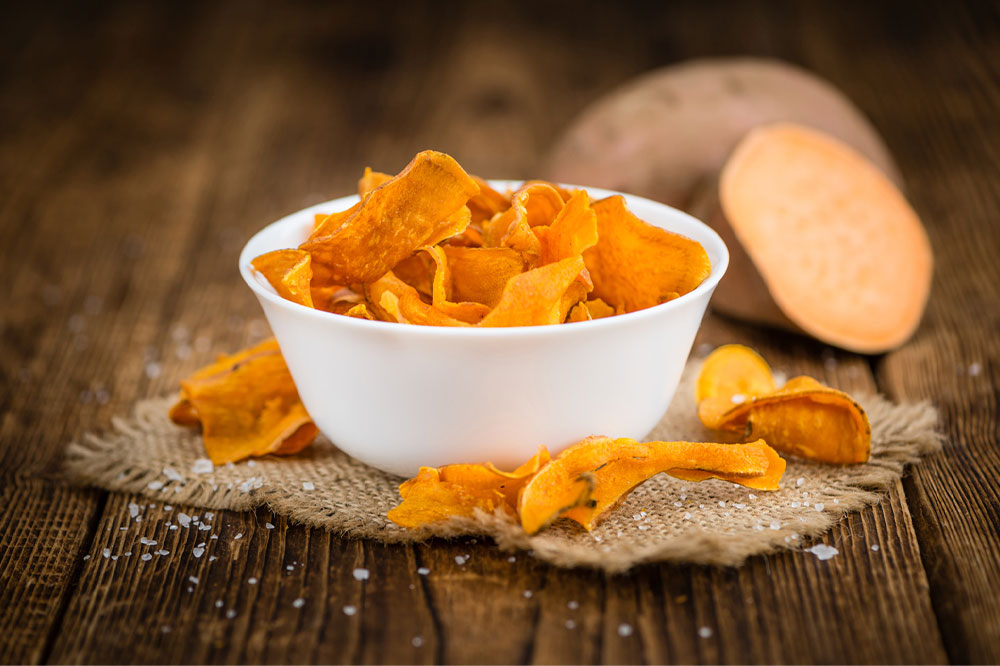
Tips for Preventing Age-Related Macular Degeneration
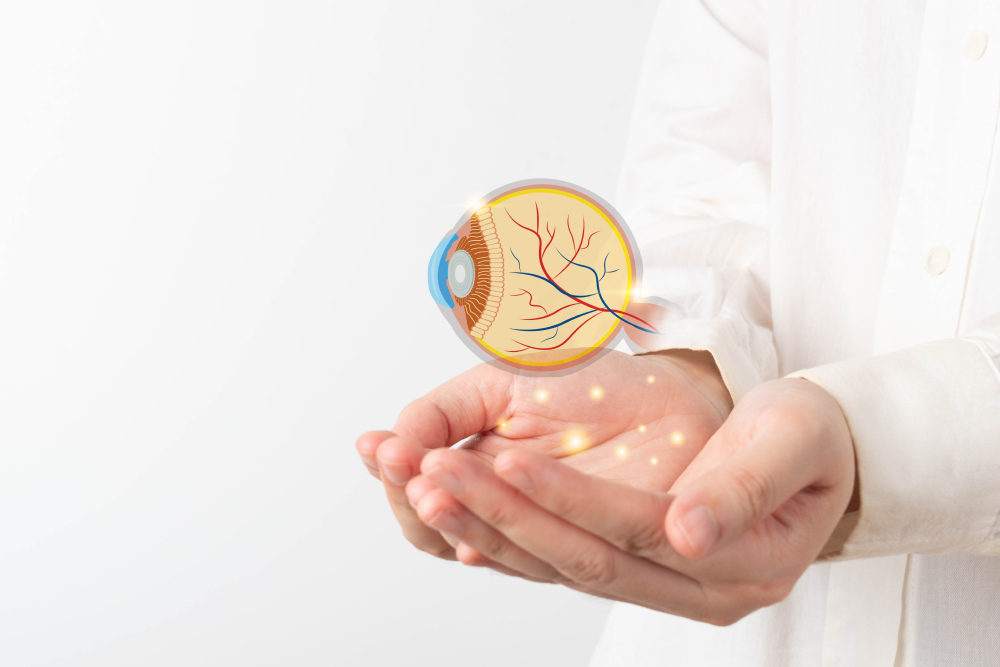
Tips for Preventing Age-Related Macular Degeneration
AMD is a degenerative condition that primarily affects people over the age of 50. It frequently results in vision loss in older people. This disorder thins and deteriorates the macula, the area of the eye that produces the clearest, most detailed vision. Early detection and treatment can lower the chances of permanent vision loss. Simple lifestyle changes, such as eating healthier and exercising regularly, can significantly reduce the risk of AMD. Here are a few simple lifestyle modifications that can help prevent AMD.
Lifestyle modification to prevent AMD
- Maintain a normal blood pressure level
Hypertension promotes AMD by decreasing blood flow to the vascular layer of the eye, known as the choroid. The lack of oxygen in the eye accelerates the deterioration and increases the risk of wet AMD and central vision loss.
It is preferable to keep blood pressure under control to avoid this situation. Maintaining a healthy lifestyle, avoiding fried foods, eating well, and exercising regularly can all help keep blood pressure under control. Although this condition has nothing to do with weight, a body mass index of 30 can make it worse, so it is preferable to keep a low BMI.
- Consume more antioxidant-rich food
Antioxidants are chemicals that prevent or reduce free radical damage to cells. According to research, eating foods high in antioxidants can slow the progression of macular degeneration in some people. Dark green leafy vegetables like kale, Swiss chard, spinach, and mustard greens are high in antioxidants.
Green peas, summer squash, pumpkin, broccoli, asparagus, and carrots are also high in these essential nutrients. All of these foods are rich in carotenoids and flavonoids like anthocyanin, which are good for the body.
- Take supplements
While food is a great source of nutrients, as we get older, our bodies might not be able to absorb all the nutrients we need to stay healthy. In these circumstances, taking vitamins and minerals as supplements as directed by a doctor may be a good idea for a variety of health benefits, including overall eye health. It is critical for the elderly to get all their nutrients; doing so will keep a variety of other ailments at bay for a long time.
- Consume fish.
According to studies, eating fish regularly can help prevent macular degeneration. A Massachusetts Eye and Ear Infirmary study discovered that senior men who consumed the most fish (more than two servings per week) had a 45 percent lower risk of AMD than those who consumed the least fish (less than one serving per week). As a result, eating any type of fish can be beneficial to eye health.
- Exercise regularly
Regular exercise reduces the risk of this condition. To maintain general fitness, there are many different types of exercises that can be done frequently. It can range from brisk walking to jogging, cycling, and skipping. Finding what one enjoys doing and keeping oneself interested daily is a great way to avoid many illnesses.
- Wear sunglasses
Overexposure to ultraviolet (UV) radiation from the sun can damage the retina, accelerating this condition’s progression and contributing to the development of cataracts. As a result, wearing sunglasses that protect against UV and HEV light outdoors can protect the eyes from any form of damage.
- Avoid carbs
Refined carbohydrate-rich foods raise the risk of AMD by increasing insulin and blood sugar levels. Changing from simple to complex carbohydrates is a simple way to reduce the risk of vision impairment. Avoid carbohydrates such as sugar, sweetened drinks, sodas, and fruit juice concentrate. These can be replaced with whole grains, which are excellent sources of complex carbohydrates and include barley, quinoa, buckwheat, whole-wheat bread, and pasta.
- Consume zinc and copper-rich foods
Copper and zinc elements contribute to excellent eye health. For example, zinc regulates cellular function and aids in the absorption of the antioxidant vitamin A by the body. Zinc-rich foods include meats, seafood, and legumes such as chickpeas. A sufficient amount of copper can be obtained by consuming a variety of dark leafy greens, nuts, seeds, legumes, and eggs.
- Eat high-vitamin C foods .
Ascorbic acid (vitamin C) helps the body form collagen and strong blood vessels in the eyes. Quick nutrient absorption results in sharp vision in the eyes. Citrus fruits have a high vitamin C content. Peaches, apples, and bananas are also excellent sources of vitamin C. Fruits also contain antioxidant carotenoids, which aid in vision improvement.
10. Avoid processed snack foods .
Junk food contains linoleic acid, as well as monounsaturated and polyunsaturated fats, all of which have been linked to an increased risk of advanced macular degeneration, which can result in significant vision loss. These foods cause plaque-containing cholesterol to accumulate in blood vessels, including those in the heart. Plaque causes blood vessels to swell, reducing the volume of blood that transports nutrients and oxygen to the eyes. Avoid foods like cakes, cookies, peanut butter, potato chips, candy, French fries, and soft drinks. Replace your snack with a piece of fruit whenever possible.
Treatment of AMD
AMD cannot be cured completely. However, with certain treatments, its signs and severity can be reduced. It may also reappear after treatment. Several factors influence treatment, including the patient’s age, general health, and medical history.
- Numerous low-vision aids and vision rehabilitation programs can help with vision issues, create new routines for daily tasks, and assist people in managing age-related macular degeneration.
- To treat wet AMD, anti-VEGF medication is typically administered via injection. Abnormal blood vessel growth is caused by high levels of VEGF in the eye. Anti-VEGF medications slow the progression of this condition and lessen the negative effects of these abnormal blood vessels that leak. In addition, they can successfully stabilize vision in a large number of patients.
- Studies have shown that natural supplements, such as a vitamin and mineral combination, can slow the progression of dry AMD. Vitamins C and E, lutein, zinc, copper, zeaxanthin, and beta-carotene are a few examples of supplements that can help with symptoms.
- Photodynamic therapy removes extra blood vessels from the eye using a laser and an injectable light-sensitive medication. For improved outcomes, this method can be combined with anti-VEGF therapy.
References
https://eyemedicalclinic.com/6-ways-to-prevent-amd-2017
https://www.everydayhealth.com/vision/home-modifications-tool-wet-amd/
https://www.peninsulaeye.com/blog/7-ways-to-protect-your-eyes-from-age-related-macular-degeneration/
https://www.verywellhealth.com/macular-degeneration-prevention-5069921
https://www.allaboutvision.com/conditions/amd-prevention.htm
https://www.sightmatters.com/article-detail-topics/eye-health-foods/