The complete guide to collecting and managing sports memorabilia
Every sports enthusiast dreams of immortalizing a historical or iconic game in more than just their memories. One way to do this is by possessing certain souvenirs or collectibles associated with that particular game or player – these collectibles are called sports memorabilia. Collecting sports memorabilia has been a popular activity for sports enthusiasts for years. For those new to the world of sports memorabilia, here is a brief guide to collecting them.
Sports memorabilia
Sports memorabilia are cherished artifacts that hold a special place in the hearts of sports lovers. These items, often associated with iconic moments and legendary athletes, serve as tangible links to the world of sports. Sports memorabilia can be any item associated with a game, ranging from autographed baseballs to historic game tickets. Whatever the object may be, if it captures and contains the spirit and excitement of athletic achievements, it counts as a valuable piece of sports history.
Factors that determine the value of different sports memorabilia
To start collecting, trading, or selling sports memorabilia, it is necessary to understand the factors that determine the value of such items and contribute to their overall significance and desirability.
- Authenticity
One of the most important factors contributing to the value of sports memorabilia is their authenticity. Due to the vast market for these items, many swindlers try to sell fakes, sometimes with forged autographs. The authenticity of sports memorabilia can be confirmed in several ways. These include checking if the item carries a certificate of authenticity from a reputed authentication company and comparing the item or the autograph with a picture of the original.
- Rarity
Another factor that determines the value of sports memorabilia is their rarity. Items with limited editions, one-of-a-kind, and collectibles associated with rare events or milestones hold special appeal for collectors.
- Historical significance and story
If the item is from a historically significant game or is tied to a historical record, it often holds high value. Items directly connected to important moments in sports history, such as a bat from a game-winning shot or a medal earned from a record-breaking achievement, hold even more value for collectors. These items are more than just objects for collectors – they become symbols of the athletes and moments they represent. Collectors are drawn to the rich history and personal anecdotes associated with the item.
- Autographs and signatures
If the artifacts carry signatures from legendary athletes, their value increases, as signatures and autographs from athletes add a personal touch to the collectible. Authentic autographs enhance the value and desirability of items, connecting fans directly to their sports heroes.
Ways to collect sports memorabilia
For beginners, building a sports memorabilia collection involves a combination of passion, research, and strategic decision-making. One can begin by tracing the following steps-
- To start collecting, one should start by identifying and determining the sports or athletes that they are the most passionate about. Sticking to the sport that one is interested in automatically generates interest and a willingness to put in the required effort.
- Next, they can attend sports events, visit memorabilia shows, and engage with online communities to gain insights and connect with fellow collectors. Networking with other collectors can provide valuable advice and opportunities to improve one’s collection.
- One can also explore trusted dealers and auction houses, making sure to double-check that the items are genuine.
Types of sports memorabilia
One can collect sports memorabilia that aligns with one’s favorite games and sports categories. Some common types of sports collectibles are listed below.
- Shoes worn during iconic games
The shoes worn by sports icons during pivotal moments or iconic games make for a unique and coveted addition to any collection.
- Historic jerseys
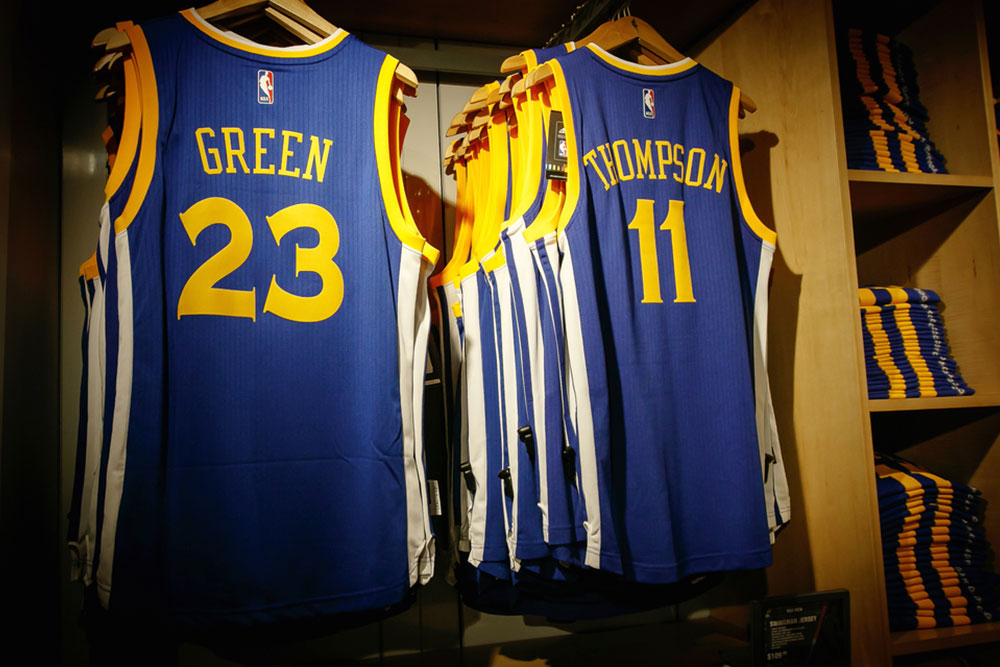
Jerseys worn during historic events or by legendary players symbolize their triumph and the era they played in. They also narrate a story of the athlete’s journey and their team.
- Ticket stubs from historic games
Ticket stubs from historic games represent the excitement and anticipation surrounding the game during that time. They allow collectors to symbolically own a piece of the event in the form of a tangible memento.
- Signed sports equipment
Autographed sports equipment transforms ordinary sports gear into prized possessions. Whether it is baseballs or football helmets, when signed by iconic players of a game, these items carry the personal touch of legendary athletes, turning them into prized mementos for collectors.
- Trading cards
Trading cards representing a snapshot of an athlete’s career also count as valuable memorabilia. The rarity and significance of certain cards increase if the cards are signed by that player.
Ways to preserve sports memorabilia
Besides collecting sports memorabilia, one must know how to preserve them since they hold a lot of sentimental and monetary value. Preserving sports memorabilia begins with giving them proper storage. One must protect these items from the harmful effects of light, temperature, and humidity by utilizing storage materials such as acid-free sleeves and cases. These archival sleeves and storage boxes ensure the longevity of cherished pieces.
- Display with care
For collectors wanting to showcase their prized possessions, thoughtful display is key. One must invest in quality UV-protective display cases or dust-proof frames to safeguard items while putting them on display. - Careful protection from water damage
One of the most critical aspects of preserving sports memorabilia is guarding them against water damage. One must ensure that their collection is stored in a secure location, away from potential water damage from areas such as basements (which are prone to flooding) or areas exposed to leaks.