Skin Cancer – Silent Signs, Causes, and Management Options
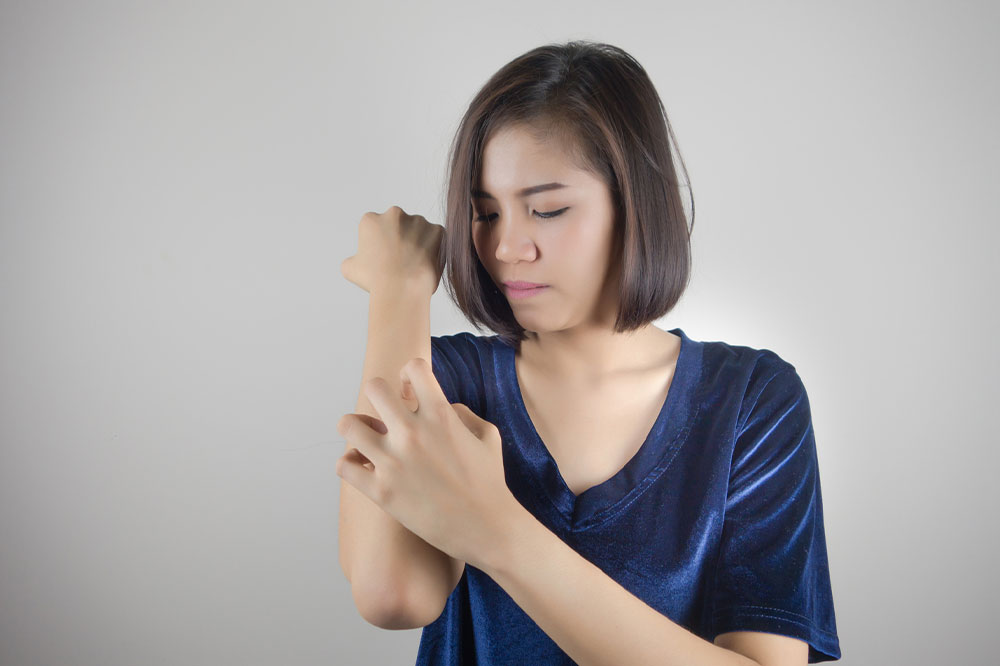
Skin cancer affects millions of people, and while most are aware of its more apparent signs, such as moles or unusual growths, there are also silent signs that can often go unnoticed. Early detection of these signs is highly critical to treat the condition. By being vigilant and proactive, one can protect one’s skin health and potentially prevent the progression of skin cancer. Here are some signs, as well as common causes and treatment options available for the condition.
Common signs of skin cancer
Persistent itching or tenderness
Skin cancer can cause persistent itching or tenderness in the affected area, so it’s important to get sudden itchiness or tenderness checked by a dermatologist.
Scaly or crusty patches
One may mistake scaly or itchy skin for normal skin rash, allergic reaction, psoriasis, or eczema. But if basic treatments and home remedies do not seem to heal these crusty skin patches, it may indicate a more serious and deeper problem of skin cancer.
Pimple that won’t heal
Pimples or zits forming during adolescence are a common occurrence. Still, persistent pimples that do not fade or heal and fail to respond to normal acne treatments could be a sign of an underlying issue, such as hormonal imbalances or skin cancer.
Changes in skin texture
Skin cancer can cause changes in the texture of the skin. Look out for rough, thickened, or raised areas on the skin’s surface. These areas may feel different from the surrounding skin and may not necessarily be accompanied by color changes or noticeable growths. A dermatologist should evaluate any unexplained changes in the texture of the skin.
Unusual nail changes
Skin cancer can manifest in unexpected ways, including nail changes. Pay attention to any alterations in the color, shape, or texture of your nails. Dark streaks or bands under the nails, splitting or lifting of the nails, or nail bed discoloration could be signs of subungual melanoma, a rare but aggressive form of skin cancer.
Spontaneous bleeding or sores
If you notice sores that do not heal or tend to bleed easily without apparent cause, it is essential to check them. Skin cancer can cause ulcers or non-healing sores, particularly in areas frequently exposed to the sun or prone to trauma. Persistent bleeding or non-healing wounds should not be ignored, as they may indicate skin cancer, such as basal cell carcinoma or cutaneous squamous cell carcinoma. One may experience bleeding while shaving.
Changes in existing moles
While changes in moles are often associated with skin cancer, some changes can be subtle and easily overlooked. Keep an eye on any changes in size, shape, color, or borders of existing moles. Additionally, be cautious if a mole becomes itchy, tender, or starts bleeding. Any suspicious changes in moles should be evaluated by a dermatologist, as they could indicate melanoma, the most dangerous form of skin cancer.
Fast-growing painless bumps
Fast-growing painless bumps on the skin may be a cause for concern, as they can indicate aggressive forms of skin cancer such as melanoma. These bumps may appear as elevated, irregularly shaped lesions with varying colors. They may also be translucent and waxy in nature. Alternatively, if one notices a hard bump on one’s eyelid, it may indicate skin cancer originating in one’s oil glands. Seeking immediate expert attention is crucial for early detection and effective treatment.
Open sores
Open sores on the skin that fail to heal within a reasonable time frame, typically several weeks, should not be ignored as they may suggest persistent infections or even skin cancer.
Any skin abnormality that doesn’t heal
Apart from this, if one notices any skin abnormality not mentioned above that seemingly pops out of nowhere and doesn’t seem to go away, it’s best to immediately seek medical attention for the same. Regular dermatological screenings are essential to monitor any potential skin abnormalities.
While these signs can help raise awareness about certain skin conditions and their underlying factors, it is important to consult a healthcare professional, specifically a dermatologist, for an accurate diagnosis and personalized treatment plan.
Causes of skin cancer
There are various types of skin cancer, and most cancers are associated with overexposure of one’s skin to the sun’s harmful ultraviolet radiation. UV exposure is not limited to sunlight but also encompasses tanning beds and sunlamps. The overexposure can damage one’s skin cells’ DNA, cause sunburn, and lead to abnormal cell growth within the body. This cell growth then forms a tumor in the affected area.
Also, people with a family history of skin cancer or those with a light-colored complexion are more vulnerable to developing cancer. Melanin is a pigment that protects one from sunlight and gives it a darker skin color, which is naturally less in those with fair skin. Apart from this, a compromised immune system due to various reasons like HIV/AIDS, infections, or organ transplant, as well as pre-existing skin conditions, may also be susceptible to developing skin cancer.
Treatment options
A healthcare professional takes into consideration the patient’s current health, existing conditions, if any, stage of cancer, and many other factors before suggesting a combination of treatments. Common skin cancer treatments include chemotherapy which aims to kill the cancer cells, and radiation therapy, which uses concentrated beams of light to curtail cancer cell growth. Similarly, surgery is another option that aims to remove the tumor, while immunotherapy is an option to strengthen one’s immune system. If the cancer is in a relatively nascent stage, a biopsy can also help eliminate cancerous tissues. Cryotherapy and photodynamic therapy are two other treatments.
While these treatments work on cancer cells directly, a doctor may suggest one take precautions and suggest a holistic approach to speed up recovery and prevent aggravating cancer. This includes limiting sun exposure, especially during peak hours when sunlight is scorching and harsh, and wearing protective gear, from sunglasses, hats, caps, and scarves to sunscreen, to limit its effect on one’s body.