Psoriasis – Symptoms, Causes, and Management
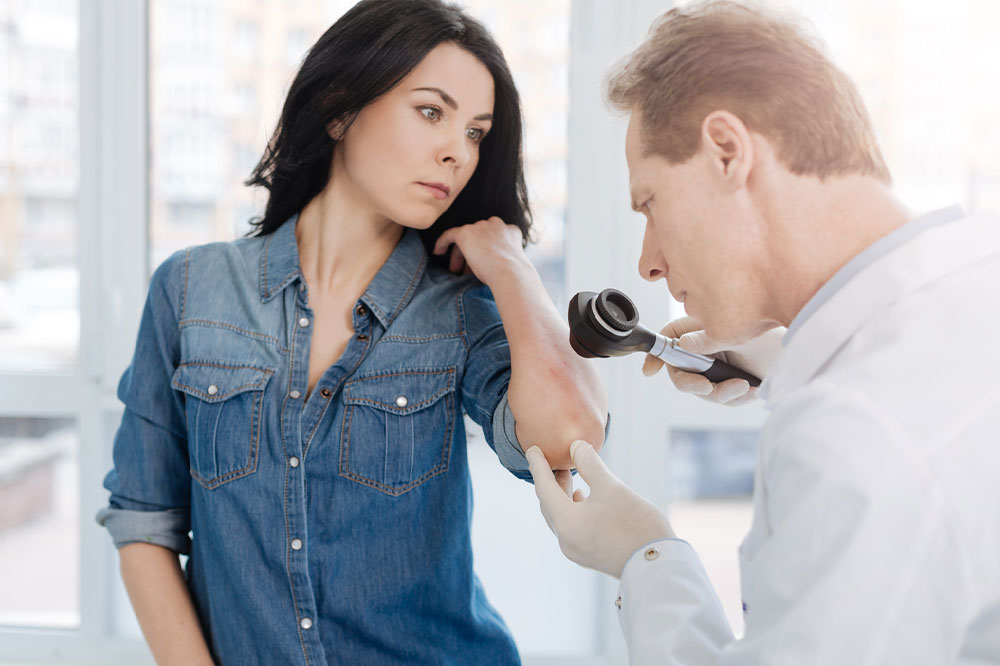
Psoriasis is a condition in which the skin develops rashes, leading to itchy, scaly patches most commonly witnessed on the knees, elbows, scalp, and even the trunk. This is a chronic condition with no cure; however, there are ways to manage the condition with the help of lifestyle choices, foods, and treatment options. The condition goes through a flaring cycle and then subsides, so it is important to understand its symptoms, triggers, and other details.
Causes
This condition is understood to be an autoimmune disorder in which the skin cells start to grow faster than the normal cycle of growth. This overgrowth is what turns into the scaly and dry patches that are often witnessed in this condition. While the cause is immune system-related, several environmental and other triggers also lead to flare-ups and other symptoms.
Symptoms
While the symptoms remain the same in everyone, the way they appear or look may differ from person to person.
Patchy rash on the skin that can range from looking like spots on the skin or dandruff-like scaling or even more severe like painful rashes.
Rashes of different colors, like shades of purple or gray on black or brown skin. On white skin, the rashes are pink or red with silver scales.
The small scaling spots spread on the body are most commonly seen in children.
These rashes can be itchy, sore, or even have a burning sensation.
Dry and cracked skin that may occasionally bleed due to lack of moisture.
A cycle of flare-ups that then subsides for a couple of days or weeks and then comes back again.
Foods to eat
Dark leafy greens
They are known for their antioxidant properties, which can help against the inflammation caused by psoriasis. Spinach, kale, Swiss chard, and collard greens are all great examples of dark leafy greens that must be included.
Fatty fish
Fish like salmon, lake trout, sardines, mackerel, and herrings are rich in omega-3 fatty acids, which help manage inflammation in the body. These are the essential good fats that keep skin hydrated from within. Since dry and itchy skin is one of the symptoms of psoriasis, adding fatty fish can help manage these flare-ups.
Apples
Apples have antioxidants called polyphenols which help fight inflammation in the body. Cherries and berries, too, have these super helpful antioxidants. Apart from apples, citrus fruits like oranges, melons, and pineapple are also considered safe to manage psoriasis.
Foods to avoid
Nightshades
These vegetables and fruits contain a substance called solanine, which affects the digestive system and leads to inflammation. These include tomatoes, potatoes, eggplants, and also peppers. These foods are linked with increased flare-ups for those dealing with psoriasis.
Gluten
Those with psoriasis have been known to be at an increased risk for gluten sensitivity. Exclude foods like wheat and wheat products, barley, rye, and malt. Be careful when purchasing packaged or processed foods, and make sure they are marked gluten-free.
Dairy and processed meat
These contain a polyunsaturated fatty acid named arachidonic which increases the risk of psoriasis symptoms and flare-ups in individuals. Avoid eggs, bacon, beef, sausage, and other egg dishes to avoid any complications.
Treatment options
Topical therapy
This involves purchasing products available in the market that can be applied directly to the skin where symptoms are noticed. These products are known to relieve and manage the symptoms of the disease.
Light therapy
This is a vast treatment option that has various approaches to it. Here are some of the popular ones:
Sunlight
According to doctors, daily exposure to sunlight or heliotherapy may help improve the symptoms of the disease. A health expert will be able to guide regarding a safe way to sun exposure which may not cause other complications.
Goeckerman therapy
Mixing coal tar treatment along with light therapy is called the Goeckerman method. Coal tar treatment makes the skin more responsive to light therapies like ultraviolet B therapy, making this a more successful treatment option.
UVB broadband
This treatment includes using controlled UVB broadband light dosages from an artificial light source. This type of treatment is good for widespread psoriasis or even single psoriasis patches. However, this does have some side effects, like temporary itchy, dry, and inflamed skin.
UVB narrowband
A lot of health practitioners prefer the narrowband approach over the broadband approach of UVB therapy. It is understood to be more effective and needs to be administered 3 times a week initially. However, once the patient shows some progress, it needs to be used less frequently, only for maintenance therapy. While it is more effective than broadband, the side effects are also more severe.
Psoralen plus ultraviolet A
This involves taking psoralen, which is a light-sensitizing product, before exposing the skin to ultraviolet A light. It has been studied that UVA penetrates deep into the skin, unlike UVB, and is more effective. The psoralen product prepares the skin to be more responsive to this type of treatment. This type of therapy is aggressive and is used to treat only severe psoriasis. This has short-term side effects, including nausea, burning, itching, and even headache. Some long-term side effects include increased sun sensitivity, dry and wrinkled skin, freckles, and an increased risk of skin cancer like melanoma.
Excimer laser
This is also a type of UVB therapy where a strong UVB light is targeted on the affected skin area. This therapy requires fewer sessions than a regular phototherapy treatment as the UVB light used is strong and more powerful. There are, however, some side effects like blistering and also inflammation.
Home remedies
Epsom salt bath
Add Epsom salt to a tub of warm bath water and soak in this mixture for 15 minutes to help with the inflammation, pain, and itchiness.
Tea tree oil
This ingredient helps in providing some relief from flare-ups, especially on the scalp. Finding a psoriasis-friendly shampoo with tea tree oil as one of the ingredients may be a useful tip.
Oats bath
Add some ground-up oats to your bath water and sit in this oats bath for 15 mins. This can ease the flare-ups and help in relaxing the inflammation and itchiness.