Poor blood circulation – Common signs and management tips
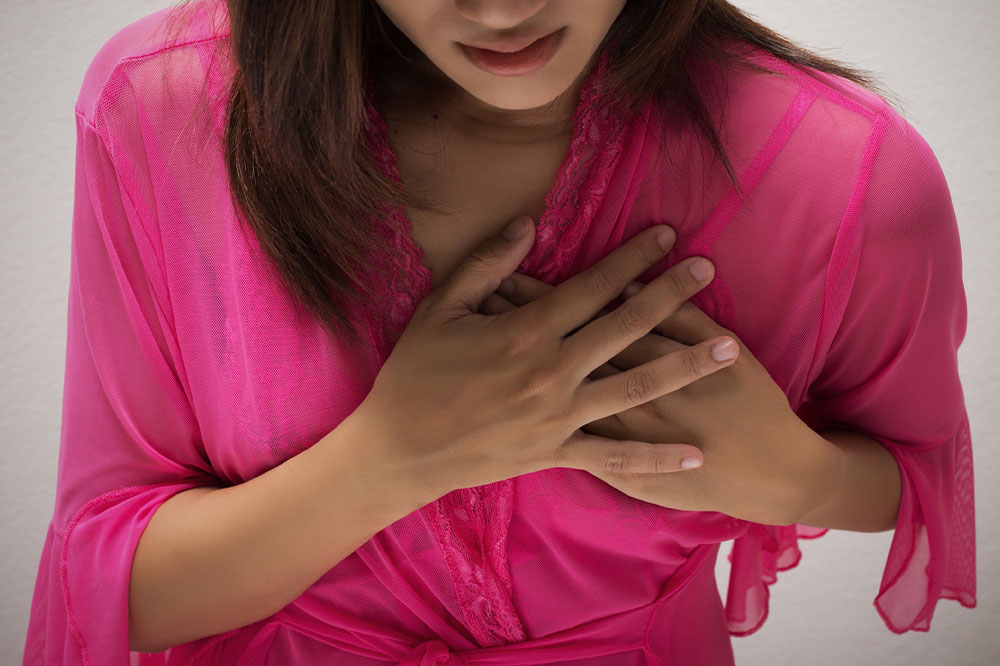
Blood circulation is one of the most important functions in the body, as vital organs depend on oxygen and nutrients supplied by the red blood cells to survive and function. However, certain factors like poor nutrition, underlying health issues, and unhealthy daily habits can reduce blood flow and disrupt circulation. So, here are a few common signs of poor blood circulation and useful tips for managing and overcoming the problem:
Signs of poor blood circulation
Visible swelling
One of the first and most evident signs of poor blood circulation is swelling. Also referred to as edema, this swelling develops in the legs, feet, and ankles. Edema develops when the blood pools in one place instead of moving along the arteries and veins. Pooling causes the area to bulge. Edema is often noticeable along the extremities of the body. Due to the swelling, the skin around the affected area becomes taut and warm. Additionally, one might experience a sensation of heaviness and stiffness around the joints when affected by poor circulation.
Numbness and tingling
Blood circulation is a continuous process, with the heart pumping blood to reach all extremities of the body. So, any obstruction here can restrict the circulation resulting in a familiar tingling or sensation of numbness. Often, one experiences these sensations in the extremities of the hands and feet. The sensation may persist or flare up for short periods of time as the blood moves along veins and arteries. Many people compare this sensation to that of pricks caused by pins and needles. The severity of this symptom depends on how severely the circulation has been affected.
Skin and hair problems
The blood contains essential proteins that promote skin health and hair growth. Poor circulation deprives the skin of these essential nutrients and triggers visible changes in its color and texture. Red blood cells also carry fresh oxygen to the skin cells to ensure they function. Poor circulation disrupts this supply, causing the skin to age prematurely and lose its natural sheen. Discoloration of the skin on the nose, lips, ears, and around the hands and feet are clear signs of poor circulation. Additionally, hair loss is a common symptom of poor circulation, as hair follicles and roots depend on uninterrupted blood flow to get essential nutrients necessary for growth. With less oxygenated blood flowing in the body, one may notice patchy hair loss starting with the scalp. Hair fall can also develop throughout the body.
Fatigue, muscle cramps, and joint pain
Red blood cells carry fresh oxygen throughout the body. Poor circulation deprives the body of this oxygen, and as a result, one might experience fatigue and weakness. Even the muscles and vital joints rely on nutrient-rich blood to keep stiffness and cramping at bay. If any of these signs develop without warning or an apparent cause, they could indicate poor blood circulation problems. Prolonged stiffness and cramping can further affect the joints, impacting mobility.
Varicose veins
Varicose veins develop due to inactivity for long periods or improper posture, like standing up or sitting for too long. Prolonged and extreme pressure on the veins makes them twist and knot. As a result, the blood is pumped at a higher pressure making the veins become enlarged and develop a purplish shade visible through the skin. The veins further trigger a sensation of heaviness, cramping, and itching in the hands and feet due to excessive pooling of blood in the region.
Cognitive issues
Poor circulation can also affect normal brain functions, as the brain tissue needs fresh oxygen and nutrients carried by the blood. One might become more forgetful or have trouble recalling things due to vascular dementia. Poor circulation also impacts logical reasoning and analytical abilities, making it difficult for one to process simple information.
Erectile dysfunction
Even the reproductive organs rely on unhindered blood circulation to work optimally. For example, tissue in the penile region relies on blood flow to enlarge and stay erect. Restricted blood flow can make it difficult for men to achieve or even maintain an erection. Unforeseen erectile dysfunction with no underlying cause of sexual disorders can be a clear sign of poor circulation.
Tips for managing poor blood circulation
Making the following lifestyle changes, practicing preventive care, and choosing home remedies can help improve blood circulation.
Get examined
Underlying health complications or disorders can result in poor blood circulation, affecting organs that control and promote blood supply. Routine checkups can help doctors diagnose conditions like anemia, which causes a deficiency of hemoglobin that is necessary for red blood cells to maintain proper function.
Manage blood pressure and stress
Stress management is critical to keep blood pressure in check, helping maintain circulation. One can practice mindfulness techniques and breathing exercises to lower cortisol levels in the body and manage stress. Further, one should make healthy lifestyle choices to keep diseases like diabetes and high blood pressure at bay and avoid affecting blood circulation
Exercise
Exercise helps promote cardiovascular function, strengthening the heart and lungs. Increased cardiovascular activity boosts circulation and promotes healthy blood flow while keeping blood pressure levels in check. Just 30 minutes of moderate physical activity a day can boost overall immunity, circulation, and cognitive functions.
Stay hydrated
About 75% of the body is made up of water, and most functions rely on this lifesaving liquid to perform at optimum levels. Further, dehydration can trigger poor blood circulation. So, ensuring recommended water intake can help one improve blood circulation and prevent further health complications.
Wear compression socks
Compression socks can force the blood to flow upwards from the calves and ankles. This technique prevents the blood from pooling at the extremities. Additionally, those dealing with varicose veins and the buildup of fluids caused by lymphedema in the body can benefit from wearing compression socks.