Managing kidney health – Best and worst foods
The kidneys are bean-shaped organs that are responsible for important bodily functions, like producing hormones, removing waste through urine, filtering blood, balancing minerals, and maintaining fluid balance. But, according to the American Kidney Fund, more than 1 in 7 adults in the country are affected by chronic kidney diseases. So, it is important to maintain kidney health by making better lifestyle choices and opting for foods that support kidney health.
Food and kidney health
The kidneys have multiple tiny blood vessels that help filter and eliminate excess water and waste from the body. If one is affected by chronic kidney diseases, the kidneys cannot filter blood, leading to the accumulation of waste in the body. Hypertension and diabetes are some of the leading causes of kidney disease. So, a healthy food plan can help prevent and manage these conditions by removing excess sodium, phosphorus, or potassium. Additionally, some foods should be limited or avoided to prevent further kidney damage.
Best foods for kidney health
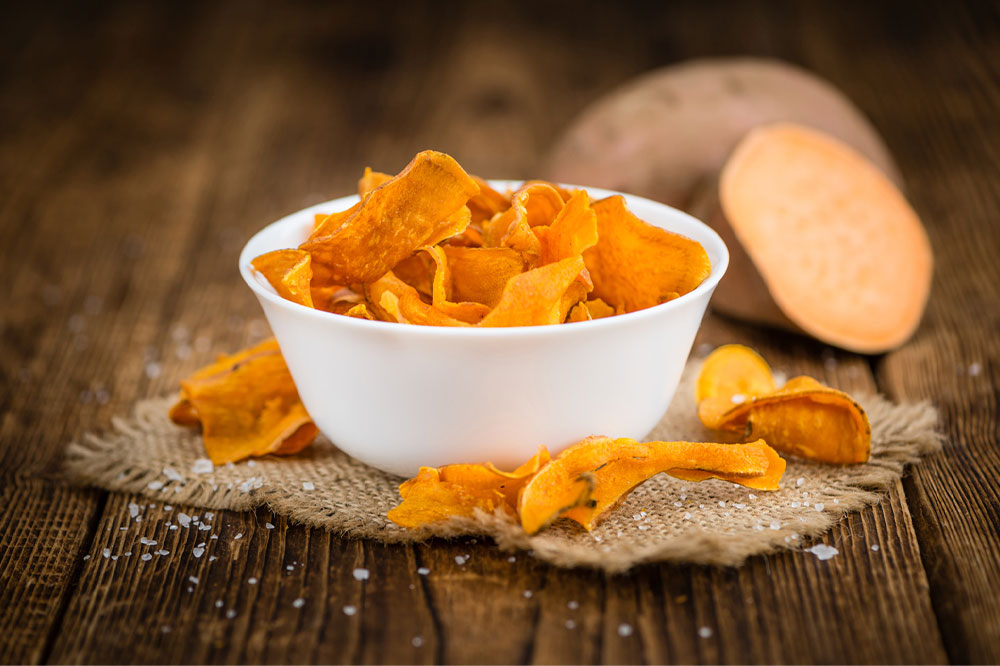
Sweet potatoes: Sweet potatoes are similar to white potatoes but have excess fiber, which the body can take longer to break down, resulting in less of a spike in insulin levels in the body. Additionally, sweet potatoes contain various nutrients and minerals that may help balance the sodium and reduce its effect on the kidneys. However, this vegetable also contains a high amount of potassium, so those with chronic kidney diseases or people on dialysis should limit its intake. Damaged kidneys can find it difficult to process potassium, leading to its build-up in the blood and health complications like an irregular heartbeat.
Red bell peppers: This is a low-potassium vegetable that adds a lot of flavor to one’s meals. Red bell peppers are rich sources of vitamins C, A, and B6. Additionally, they also provide necessary nutrients such as folic acid and fiber. Further, red bell peppers have an antioxidant known as lycopene that aids in the protection against certain cancers. This vegetable can be added to one’s nutritional regimen as an appetizer or snack or simply added to salads like a chicken and tuna salad. One can roast the peppers and use them as a topping on sandwiches or bake them.
Cauliflower: The cruciferous vegetable is packed with vitamin C. It is also an excellent source of fiber, folate, glucosinolate, indoles, and thiocyanates—compounds that help the liver neutralize toxic substances that may damage DNA and cell membranes. Cauliflowers can be served raw as crudités with dip or added to a salad. Alternatively, they can also be steamed and seasoned with spices such as pepper, turmeric, and other herbs. If needed, dialysis patients can also choose it as an alternative to mashed potatoes or pair the cauliflower with pasta.
Blueberries: Fresh fruits such as blueberries are a rich source of nutrients beneficial for the kidneys and one’s overall health. They are also rich in antioxidants called anthocyanins, which can help protect one against conditions like diabetes, heart disease, certain cancers, and also cognitive decline. As blueberries do not have high amounts of sodium, phosphorus, and potassium, they can be considered an excellent addition to a kidney-friendly food plan. These nutrient-rich fruits can be eaten as is, added to a fruit salad, or added to the pancake batter.
Red grapes: While small, this fruit can offer many essential nutrients. Red grapes are good sources of vitamin C and antioxidants known as flavonoids, which may help reduce inflammation. Additionally, the fruits are also rich in resveratrol, which is a type of flavonoid that benefits the heart and helps protect one from cognitive decline and diabetes. Additionally, the sweet fruit contains incredibly low quantities of sodium, potassium, and phosphorus, making it an excellent kidney-friendly option.
Garlic: High in antimicrobial properties, garlic can help lower cholesterol levels and reduce inflammation in the body. The vegetable has also been associated with a lower risk of stomach cancer and improvement in immune system health. Further, recent studies suggest that its diuretic properties make it a kidney-friendly food choice as this can help prevent hypertension that damage the blood vessels in the kidney. Moreover, according to popular belief, garlic may help protect the kidneys from environmental poisons such as heavy metals.
Foods to avoid
Avocados: While avocadoes are usually hailed for their nutritional benefits, people affected by chronic kidney diseases are advised to steer clear of this fruit. As it contains high levels of potassium, it can hinder kidney function and may result in further damage to these organs. However, individuals can have different needs, so patients should seek the advice of a healthcare professional before completely removing it from their food plan.
Whole wheat bread: People affected by kidney disease may find it incredibly difficult to find the right bread to add to their meals. For most people, whole wheat bread may be one of the most nutritious choices, but people with kidney diseases should opt for white bread instead. One of the primary reasons for the choice is the increased amounts of potassium and phosphorus found in whole-grain bread. However, most bread and bread products may contain relatively high amounts of sodium, so one must always check the label and choose an option with lower sodium content.
Butter: Butter usually contains high levels of cholesterol, saturated fats, and calories, all of which are considered to harm the patient’s kidney and heart health. So, reducing one’s butter intake can be beneficial, especially when dealing with kidney-related issues. As an alternative, one can opt for margarine, which is made from vegetable oil, or opt for spreads that have fewer amounts of saturated fats and calories. Further, people with kidney problems can also choose olive or canola oil for cooking.
In addition to the above, patients with kidney disease or at risk of kidney-related problems must consult a doctor for a complete diagnosis and a treatment plan that works best for them. Further, one can consult a nutritionist for a manageable, healthy, and symptom-alleviating food plan.