How to manage eczema at home
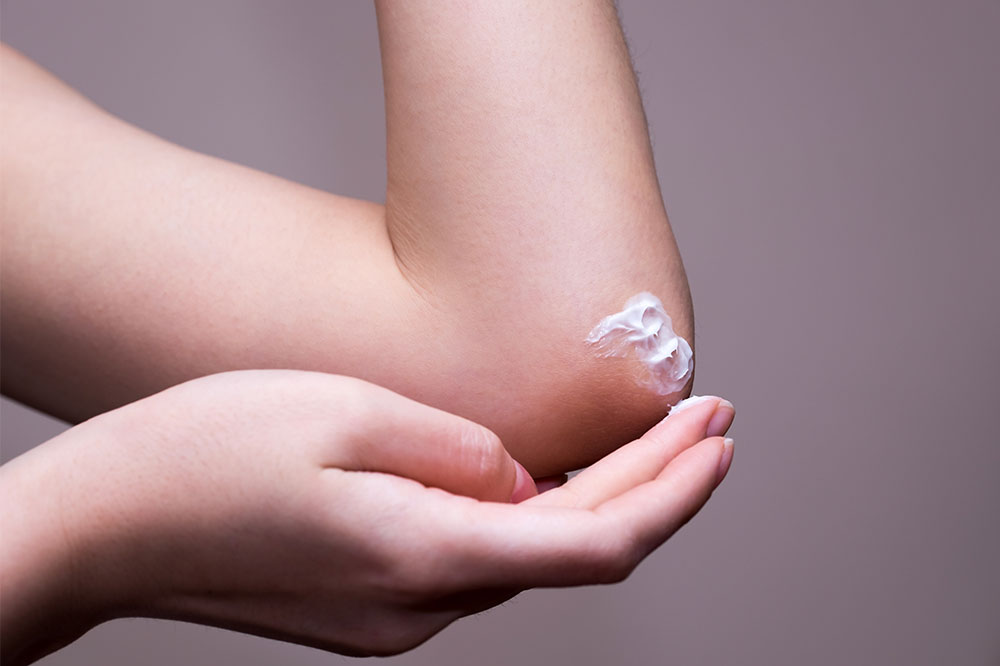
Eczema is a skin condition that affects 10% of the population. It is also called atopic dermatitis and is characterized by inflamed, itchy, cracked, and rough skin patches. This skin condition is chronic and appears in cycles of remission and flare-ups. It is not a contagious condition and is also not curable, though some people tend to grow out of it. There are several ways to cope with eczema; read on to know them.
What are the symptoms of atopic dermatitis?
Eczema symptoms are, in most cases, mild and include dry, scaly skin. Some people experience skin flushes and itches. Occasionally, the sores crust and weep too. People generally feel the need to rub and scratch these patches, and this often leads to other skin infections. In individuals with darker skin, the patches may not be red. Brown or even purple patches are common for those of color. Rough skin texture in certain places and the formation of small bumps in the arms, legs, and torso are also symptoms of eczema.
What causes eczema?
Scientists do not know the definitive cause of eczema. Most doctors believe both genetic and environmental factors contribute to the development of the condition. Children more typically suffer from this skin condition, especially if their parents are suffering themselves. Some eczema triggers include environmental irritants, nuts, dairy, hormones, and stress. The term atopic refers to allergies, indicating the connection between the skin condition and allergens.
How to treat eczema?
Doctors typically recommend a combination of prescription and topical ointments to treat the symptoms of eczema. Topical corticosteroids offer immediate relief from itching and inflammation. Systemic corticosteroids, immunosuppressants, antibiotics, or antihistamines are taken orally to reduce symptoms. Doctors might recommend tablets when the symptoms worsen. Some corticosteroids are also taken intravenously. Phototherapy and moisturizers are helpful, too, in reducing eczema.
How to manage eczema?
Apart from prescriptions, there are several lifestyle changes one can make to manage eczema. The following steps might be helpful to cope with this condition. Always check with a doctor or dermatologist before changing a skincare routine. Further, though all these tips are backed by research, they might only work for some people. Remember to be patient and try these for at least two weeks before deciding its efficacy.
Focus on controlling the itch
The worst part of eczema is the burning and itching accompanying the flare-ups. While it is recommended to exercise some mental control to prevent yourself from itching, it is difficult to resist the urge to scratch. Doctors might often advise keeping the nails short. Excessive scratching, especially using nails, causes bleeding sores that can lead to other skin infections. Those with eczema, developing a habit of moisturizing after each bath can also go a long way. Over-the-counter skin creams will become your best friends, but consider the utility of non-medicated moisturizers. If you have severe symptoms during flare-ups, try applying creams before bed each night to reduce itching.
Be picky about skin care products
Though eczema does not mean sensitive skin, paying attention to the skin care products bought is worthwhile. Some of these ingredients can cause eczema to recur. It is ideal to test new skincare products before applying them regularly. A test patch on the arm is sensible. Apply it for a week and ensure the skin is clear before using the product. Remember to choose fragrance-free products since scents are typical causes of flare-ups. Also, remember that unscented is not the same as “fragrance-free” on labels. Unscented only means the fragrance has been masked and may still provoke the skin condition to worsen.
Identify triggers
Each person’s triggers are different. In atopic dermatitis, pinpointing individual triggers is especially important. Making a note of the food, skin care products, and other allergens often helps. Atopic dermatitis is best kept in remission, so avoiding these allergens is ideal. It is especially true of children with atopic dermatitis. Since it might be challenging to get them to stop itching, parents must understand their triggers and keep these far away from them.
Manage stress
Emotional factors like stress often set off skin conditions like eczema. It is also true that individuals with eczema are at a higher risk of developing psychological conditions like depression and anxiety. It is essential to reduce stress to prevent flare-ups and deter the development of mental disorders. Doctors might suggest seeking counseling, often as CBT, to help lessen the impact of living with eczema. Stress and atopic dermatitis are part of a vicious cycle that triggers each other. It is necessary to manage both simultaneously, so take the help of a psychologist along with your dermatologist.
Pay attention to clothes
Eczema irritants can also be heat and sweat. Try to wear 100% cotton clothing since it is the least irritating. Lose-fitting clothes also allow your skin to breathe. Tight woolen garments are one of the worst for your skin. Also, remember to use fragrance-free, dye-free detergents. Tags, seams, and finishers irritate the skin, so remove the labels and cover the seams with silk. Overheating and severe cold impact flare-ups, so remember to change after you sweat and keep yourself warm when the temperature dips outside.
Work with a specialist
Atopic dermatitis is a complex skin disease to live with. Remember to explore all the treatment options with your doctor. Prescriptions, topical creams, injections of corticosteroids, and ointments all work together and are to be used based on the severity of the rashes. Most of these ease itching and reduce redness. Dietary and lifestyle modifications are not easy, so try them slowly and maybe one at a time. Improving immunity, eating healthy, and avoiding allergens can all help reduce the frequency and intensity of flare-ups. Remember to moisturize regularly and follow the personalized treatment plan made in consultation with your doctor.