Hair loss – Types, causes, and foods that promote healthy growth
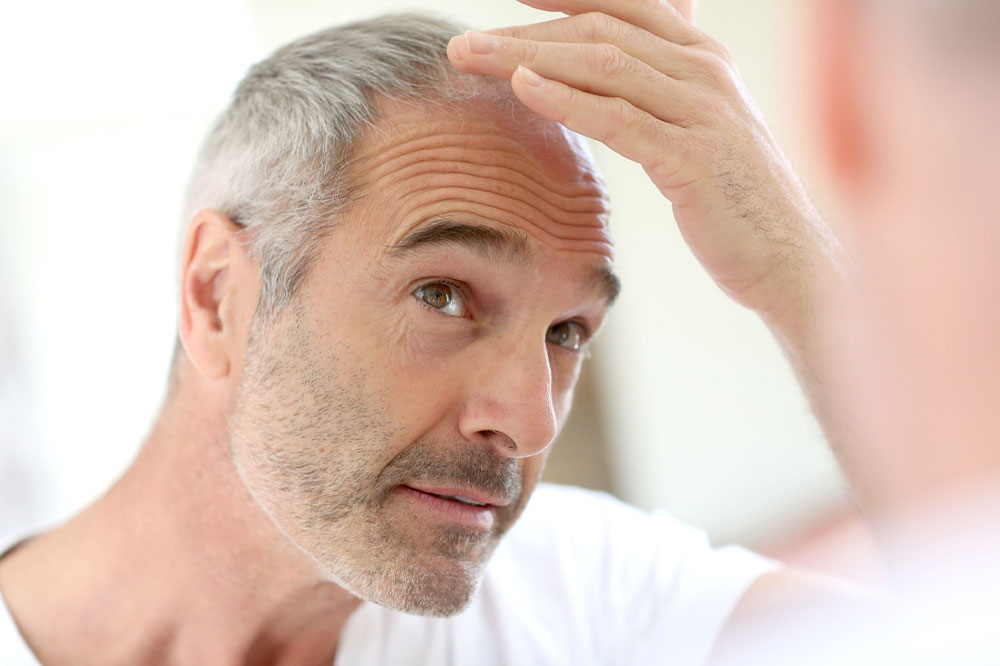
Having a head full of beautiful hair is something many of us desire. Unfortunately, not everyone is blessed with perfect hair due to various reasons. Hair loss is a common problem that occurs as a part of the hair growth cycle, and it can happen gradually or quickly. In severe cases, it can even lead to baldness, which may require treatment. Hair loss can affect anyone, regardless of age, from children to adults.
Types of hair loss
There are different types of hair loss that an individual may go through in their lifetime. Some of the most common hair loss types are as follows:
Androgenic alopecia
It is a type of hair loss that affects people assigned male at birth. It causes a person to lose hair covering the scalp, and they don’t grow back.
Alopecia areata
It is an autoimmune condition wherein one’s immune system attacks the body, the hair follicles in this case, and leads to several bald patches on the head. One may also experience hair loss in other parts of the body.
Telogen effluvium
In this type of hair loss, people may experience rapid hair loss within a short time. It occurs a few months after the body goes through something physically or emotionally stressful, like childbirth, surgery, losing a loved one, etc. Sudden hormonal change can also lead to hair fall.
Anagen effluvium
This hair loss is a result of a treatment like chemotherapy. People under this therapy can lose a significant amount of hair.
Causes of hair loss
Many health conditions can lead to hair loss. Some of the top causes of hair loss are:
Hereditary hair loss
If one inherits genes that cause the hair follicles to shrink, one’s hair will gradually stop growing after a certain point. It can happen to anyone, irrespective of gender, and usually happens later in life.
Age
After a certain age, hair growth slows down significantly for most people. This process stops eventually, and existing hair gradually thins out due to aging.
Fungal infections
Fungal infections in the scalp often lead to unprecedented hair loss. One may find inflamed areas on the scalp due to such an infection.
Hairstyle pulls on the scalp
Tight or pulled-back braiding of hair can have a detrimental effect on the hair. Due to such hairstyles, people may experience permanent hair loss. Such a condition is known as traction alopecia.
Hormonal changes
If one experiences any hormonal change in the body, the hair will start thinning out. One of the common causes of this imbalance is PCOS or Polycystic Ovary Syndrome. It leads to cysts in a woman’s body and other symptoms and signs, including hair loss.
Top food items that can improve hair growth
Certain foods can aid in maintaining healthy hair. If one is experiencing hair loss, one should follow a healthy meal plan, including the foods mentioned below:
Eggs
Eggs are one of the most significant food items to propel hair growth. They contain various proteins that can improve collagen production, which in turn boosts the thickness and strength of hair. Biotin, an essential product for hair growth, is found in eggs. They also provide Vitamin A, Vitamin D, iron, and zinc, which can collectively improve one’s hair growth.
Green leafy vegetables
Hair growth can be hindered by iron deficiency. To combat this, it’s recommended to consume green leafy vegetables that are rich in iron, vitamins A, C, potassium, carotene, and folate. These vegetables also contain keratin, which can nourish the body, strengthen hair follicles, and increase oxygen levels. Including leafy greens in one’s meal plan can improve hair growth and maintain a healthy, hydrated scalp. Additionally, iron plays a crucial role in producing sebum, which is essential for a healthy scalp.
Citrus fruits
Vitamin C-rich citrus fruits like oranges, grapefruits, lemons, berries, etc., increase collagen production in the body and take care of the scalp. Vitamin C also helps in iron absorption, which improves blood circulation and hair growth.
Seeds and nuts
Incorporating nuts such as almonds, walnuts, pumpkin seeds, and flax seeds into one’s meal plan can provide essential nutrients for the hair. These particular nuts and seeds contain omega-3 fatty acids, which can increase the strength and thickness of the hair by maintaining proper hydration levels. Additionally, seeds and nuts are a rich source of zinc, which can aid in cell reproduction and bolster the immune system for healthier hair.
Fatty fish
Fish like herring, mackerel, and salmon have Omega-3 fatty acids that accelerate hair growth. Apart from this, protein, selenium, Vitamin D3, etc., found in the fish can ensure healthy hair.
Avocados
Avocados are a great source of Vitamin E that helps in hair growth. Apart from being nutritious, avocados contain an adequate amount of healthy fats that are vital for the hair. An avocado weighing 200 grams may suffice 28% of one’s daily Vitamin E requirement.
Sweet peppers
Rich in antioxidant-rich Vitamin C, sweet peppers can support efficient hair care and growth. This vitamin ensures strong hair strands and protects them from any damage. Vitamin C also propels the production of sebum, which can keep the hair healthy.
Oysters
Zinc is a great mineral for ensuring hair growth and repair cycle and can be found in abundance in oysters. A medium-sized oyster can provide up to 96% of a man’s daily zinc requirement and 75% of a woman’s daily zinc needs.
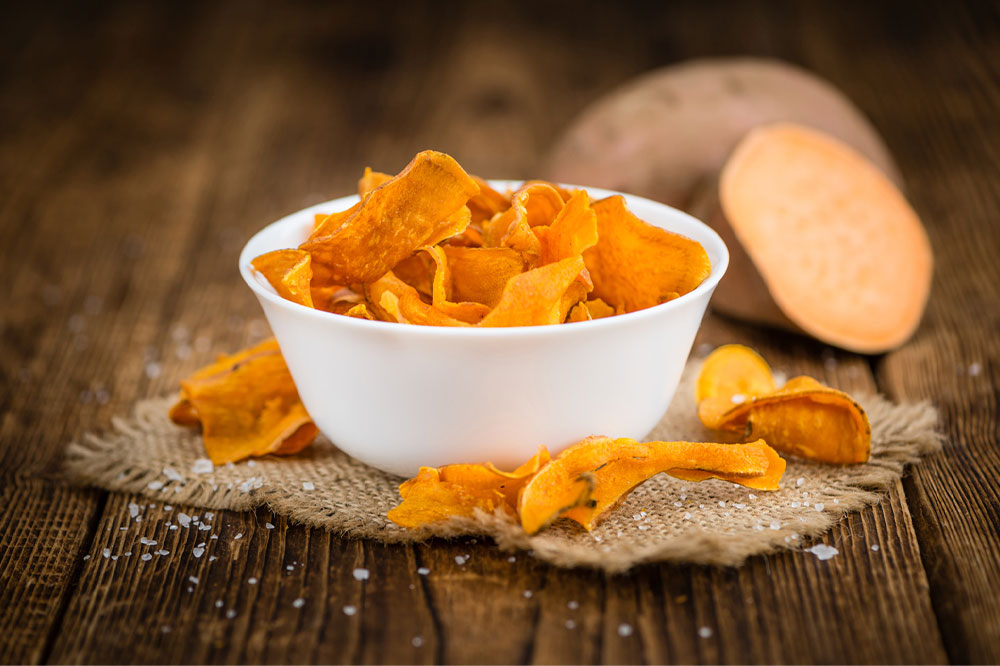
Sweet potatoes
Sometimes, hair loses its natural shine and beauty for various reasons. One must consider adding sweet potatoes to one’s meal plan to repair damaged hair. Sweet potatoes are rich in beta carotene, which converts into vitamin A – a crucial nutrient for restoring lost shine to the hair.
Soybeans
Soybeans contain many pivotal compounds that can be instrumental in protecting the hair. However, one must consult a health professional before including soybeans in the meal plan.
Nowadays, many people experience hair loss, causing emotional distress. To prevent the loss of hair, seeking professional help when experiencing excessive hair loss is crucial. Taking preventative measures beforehand can also help minimize hair loss.