Foods to eat and avoid to manage geographic atrophy
Geographic Atrophy (GA) is an advanced form of age-related macular degeneration (AMD), which leads to irreversible vision loss. As its name suggests, it directly affects the macula, the part of a person’s eye responsible for central vision. While currently, there is no known cure for geographic atrophy, there is a proactive approach that people can take to delay its progression. This includes altering nutritional intake, adding some foods to the daily routine, and subtracting others.
Foods to eat for geographic atrophy
Leafy greens
Leafy greens like spinach, kale, lettuce, and Brussels sprouts are rich in lutein and zeaxanthin, two powerful pigments, in high amounts of leafy greens. These pigments are powerful antioxidants that can help protect the macula, the central part of the retina affected by GA. An excellent way to incorporate these leafy greens into the nutritional routine is by adding them in salads, smoothies, or lightly sauté for a side dish.
Green vegetables
Besides leafy greens, the pigments lutein and zeaxanthin are also found in high amounts in other green vegetables, such as avocados, green bell peppers, peas, and broccoli. These vegetables can also be easily included in salads or other sandwiches. Avocados can also be added to smoothies, spinach, and kale to make it even better for the eyes.
Fatty fish
Fatty fish such as salmon, mackerel, tunas, and sardines are high in omega-3 fatty acids, which have anti-inflammatory properties. So, including these in the meal plan may also help reduce the risk of geographic atrophy progression. These fatty fish can be grilled or baked twice weekly to reap the benefits.
Colorful fruits
Like green vegetables, the pigments of lutein and zeaxanthin are also present in yellow, orange, and other colorful fruits. These include oranges, strawberries, pomegranates, and grapes, among others. Oranges also contain high amounts of vitamin C, essential for maintaining eye health. Pomegranate is a powerhouse of vitamins C and K and antioxidants, contributing significantly to eye health. Fresh fruits like oranges and strawberries can be consumed as snacks, salads, juices, or smoothies.
Berries
Berries such as strawberries, blueberries, blackcurrants, etc., are rich in antioxidants, which help slow down the GA progression. Berries, along with citrus fruits and leafy greens, are also rich in flavonoids, which help boost the retina’s health. They also contain a compound called anthocyanin, which is known to reduce inflammation and prevent the retina from undergoing degenerative changes. Berries can be easily consumed as snacks or added to yogurts and smoothies.
Carrots
Carrots are a superfood for the eyes. Along with the pigments lutein and zeaxanthin, they also contain beta-carotene, which significantly supports eye health and helps slow down the progression of geographic atrophy. Carrots can also be included in salads, meals, or in smoothies.
Nuts and seeds
Nuts like almonds, walnuts, chia seeds, and flaxseeds are rich in vitamin E and omega-3 fatty acids. These compounds also contribute to overall eye health. One can add a handful of nuts or seeds to their morning cereal or yogurt or munch on them as a snack.
Corn, tomatoes, and pumpkins
Corn, tomatoes, and pumpkins are all rich in the pigment carotenoid, which aids in reducing the GA progression. Tomatoes are also rich in flavonoids and vitamin C, which adds to the benefits. All of these foods can be added to cooked meals or salads.
Foods to avoid for managing geographic atrophy
Foods with high saturated and trans fats
High intake of saturated and trans fats can increase the risk of age-related macular degeneration (AMD), further posing the risk of geographic atrophy. These compounds are often found in processed and fried foods. Hence, for people with the risk of AMD or GA, limiting the consumption of fried foods, fast food, and commercially baked goods high in unhealthy fats is crucial.
Excessive sugar
Foods high in sugar and refined carbohydrates may lead to inflammation, which can worsen geographic atrophy. So, those at risk need to cut back on sugary snacks, beverages, and excessive desserts. When they crave something sweet, they can instead consume the fresh fruits and berries mentioned above (oranges, blueberries, etc.). This way, not only will they avoid risky foods, but they will also proactively aid their body in reducing the risk of GA progression.
High sodium foods
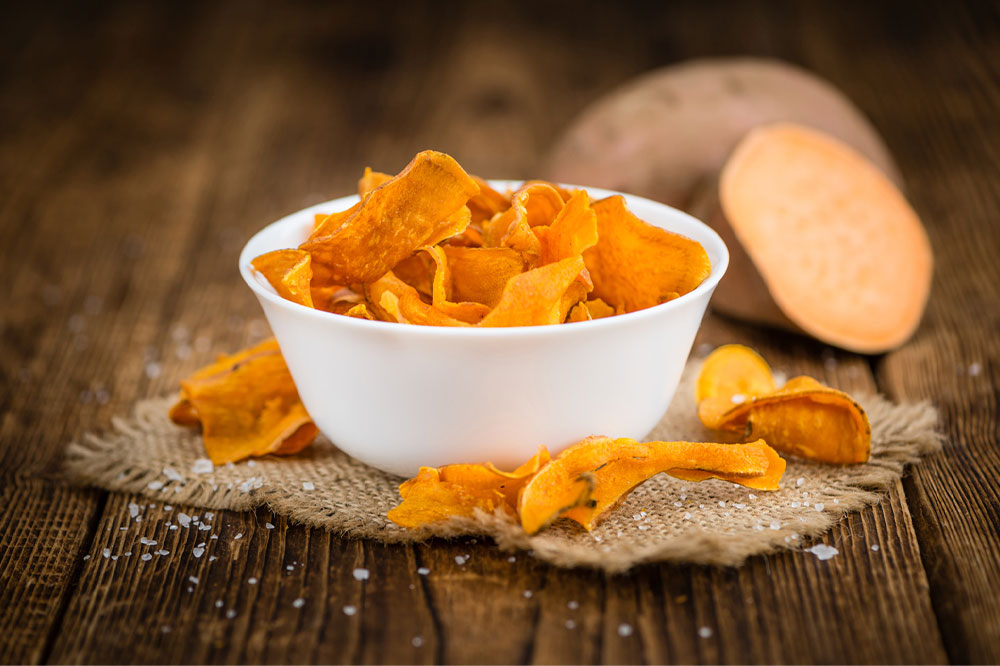
High sodium intake can contribute to high blood pressure, a risk factor for AMD and GA progression. So, people at risk should reduce their consumption of salty processed foods like chips and canned soups.
Processed meats
Processed meats like hot dogs and bacon contain unhealthy fats and preservatives that may harm eye health. Instead of processed meats, one can opt for lean, unprocessed proteins like chicken, turkey, and tofu.
Dairy products
Some studies have suggested that high consumption of dairy products, particularly full-fat dairy, may be associated with an increased risk of AMD progression. Hence, to be safer, those at risk should consider reducing their full-fat milk, cheese, and butter intake. They can opt for dairy alternatives like almond, oat, or soy milk if they prefer a milk substitute.
Along with making dietary changes, having a healthy lifestyle is also a prerequisite to managing this condition. One must follow a strict meal plan and adhere to the foods mentioned above to eat and avoid for better results. Furthermore, following a stringent exercise routine will also yield good results.
While geographic atrophy can present significant challenges, making informed choices in food regimens can help manage its progression and promote better eye health. Incorporating nutrient-rich foods and avoiding those that may exacerbate the condition is a positive step toward maintaining the vision. One must consult their healthcare provider for further information regarding the condition and nutritional changes. One can also be informed about any supplements that can be taken or if they should be avoided.