Fight nasal congestion with the help of these 8 foods
Nasal congestion, also known as a stuffy nose, is a health condition characterized by inflammation in the nose. It is a common complication of sinus infections, viruses like the common cold, and nasal polyps. Common symptoms include a runny nose, pain in the sinus, swollen nasal tissue, and mucus buildup. One can also alleviate the symptoms of this condition through certain nutritional changes. Check out eight foods that can relieve nasal congestion.
Nasal polyps and congestion
Nasal polyps are a condition characterized by the presence of a benign, painless growth in the lining of the nose and sinuses. They are pear-shaped when viewed under the microscope and usually develop as clusters on either or both sides of the nose. The symptoms are nasal congestion, runny nose, sinus pressure, or post-nasal drip. Often there are no symptoms besides the occasional discomfort. The condition is linked to chronic inflammation, as seen with rhinosinusitis. You can manage nasal polyps with prescription treatment, and surgery is only advised in severe cases.
Spicy foods
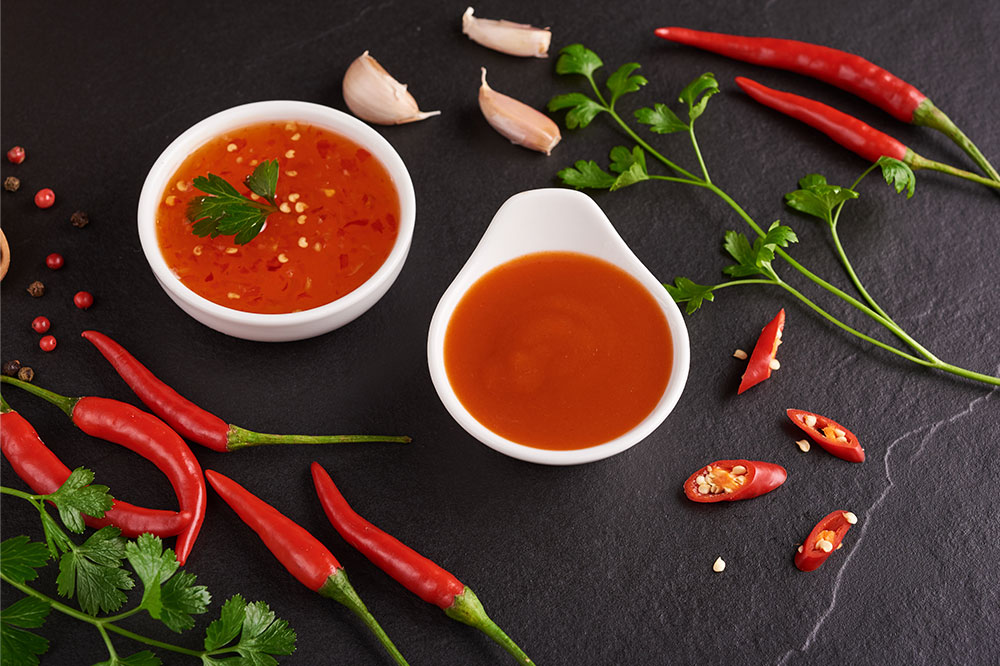
Spicy food items like peppers usually give you a runny nose while eating them. It is because capsaicin, a compound in the vegetable, irritates mucous membranes. The resultant burning sensation helps the sinuses drain. Peppers also work similarly but tend to cause indigestion and heartburn, worsening the situation. The best results come from hot and tangy foods like spicy mustard, curry, and wasabi. Further, capsaicin also relieves inflammation, enhances immunity, and clears the nasal passages. Together, these may relieve nasal polyp symptoms.
Honey
Locally produced honey is a miracle remedy for several health conditions. Honey improves immunity and can help the body mount defenses against infections that cause congestion of the sinuses. Though pollen typically triggers allergies, the connection between honey and pollen is virtually non-existent. Honey is not made from pollen but rather from plant nectar. Most honey bottles are filtered; therefore, they do not contain pollen that aggravates allergies. Therefore it is unlikely that honey will cause inflammation in the sinuses and induce nasal congestion. Nasal polys are a chronic inflammatory disease; thus, honey’s anti-microbial, antioxidant, and anti-inflammatory properties reduce symptoms.
Ginger
As opposed to the sweet feeling honey will give, ginger is a more pungent, aromatic fighter against nasal congestion. This spice helps thin mucus and stimulate the sinuses. It also has anti-inflammatory effects due to the presence of gingerol (a polyphenol), allowing those with nasal polyps to breathe easily. One can have ginger added in tea to get the soothing results of a warm beverage for congestion or saute it with colorful vegetables as a healthy meal and eat it.
Turmeric
This yellow spice is known for its incredible potential to reduce inflammation. The culinary herb helps relieve irritation of the airways and even can reduce nasal polyps, though it is not effective in permanently getting rid of them. You can add this spice freely to any food. One can add turmeric and ginger to warm lemon water and create the perfect drink to fight nasal conjunction linked to nasal polyps.
Pineapple
Snacking on pineapple can work to a great extent in keeping nasal polyps symptoms at bay. This sweet and tart tropical fruit contains vitamin C, which is excellent for immunity and prevents infections like the common cold. The enzyme bromelain in pineapple helps break up the excess mucus on the skin and even reduces mucus production. One can also get prescriptions with bromelain to lessen inflammation of the nasal and sinus cavities. People suffering from nasal polyps often experience quick relief after eating this fruit. One can drink pineapple juice, add it to a salad or slice up some sweet, yellow rings and eat them.
Other fruits
Citrus fruits are abundant in vitamin C, improving immune function and soothing the sinuses. These include oranges, grapefruit, and berries. Grapefruit is beneficial since its high salicylic acid content helps thin mucus and reduce inflammation. Its high pH level is excellent for fighting nasal polyp-related congestion. Avocados help regulate immune functioning due to the omega-3 fatty acids they contain. Quercetin is also present in several fruits like apples, pears, and tomatoes. These act as an antihistamine and reduce allergy-related congestion. Foods rich in antioxidants protect the mucus membrane and reduce inflammation in the sinuses. Some examples are citrus, kiwi, spinach, berries, and other vegetables.
Onions
Onions that make you cry as you cut them can also make your sinuses weep. It is a bittersweet remedy to fight nasal congestion. Onions are rich in quercetin, a flavonoid that reduces inflammation and improves respiratory functioning, and is a natural antihistamine to relieve allergy-related congestion. The pungent odor helps stimulate the nasal passage and clear blocked sinuses. Further, it has anti-inflammatory and antibacterial properties that help fight nasal polyps. Onions also speed up the body’s healing process, especially when combined with garlic. One can add raw onion or shallots to salads after cutting them into tiny pieces or add them to your roasts and stews in bite-size chunks.
Water
While not necessarily food, it is hard to find a better option than clean, life-giving water. Relieving nasal congestion is one hot cup of water away. The steam from the hot water helps loosen the mucus, enabling the clearing of the nasal pathway. Water replenishes the body, allows it to fight off infections better, and restores normal functioning. If the water is too bland for you, try hot teas. Camomile is particularly effective for nasal polyps. One can also consider using this essential oil in a diffuser or for steam inhalation. Green tea also reduces dehydration and boosts immune functioning. Other excellent teas for nasal congestion are holy basil, licorice, and peppermint. These flavors not only add to the taste of water but are also excellent relievers of sinusitis and fight nasal congestion related to polyps.