Dental implant aftercare – Best and worst foods
Dental implant surgery is an important procedure, so although one might be eager to resume normal eating habits, one might have to follow strict food plans during the recovery period. Further, for a quicker recovery, certain food items should be avoided, and only ones that are considered safe can be included in meals after the surgery. The restrictive regimen is usually recommended for the recovery period, as it can help ensure the procedure is successful.
Best foods
Here is what one can have after getting dental implants:
Liquids and soups
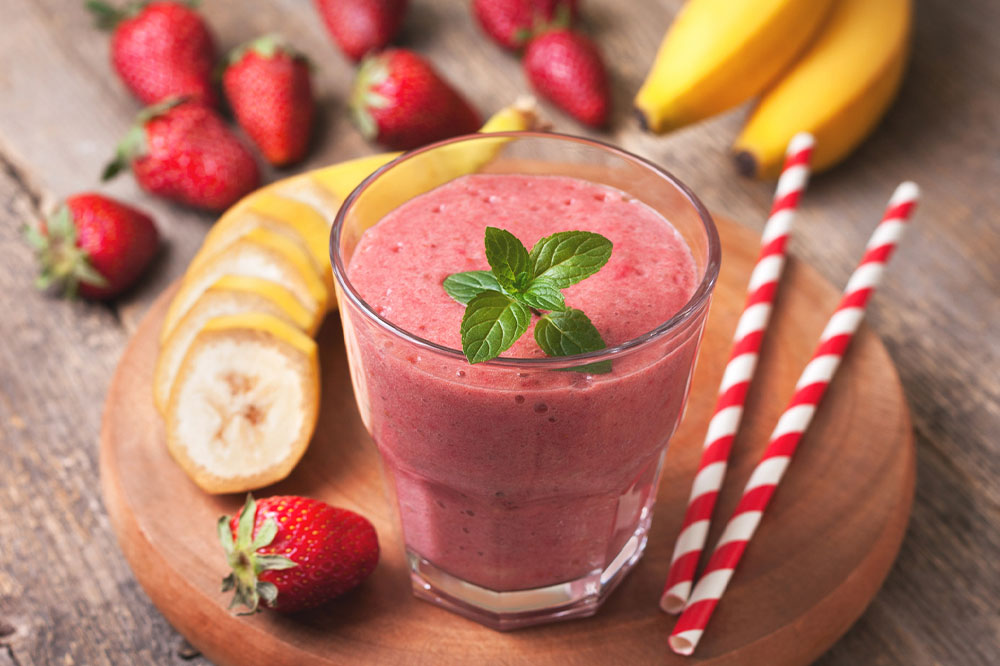
If feasible, one should consider limiting their nutritional intake to all-liquid meals during the first couple of days following dental implant surgery. This includes smooth soups (nothing too chunky), homemade broths and bouillon, meal-replacement beverages, protein beverages, fruit smoothies, and other juices. Consider choosing healthy beverages with a high calcium content for healthier teeth. Additionally, while making fruit smoothies, one should add citrus fruits, like oranges and grapefruits, in moderation. Citrus fruits are rich in vitamin C, an essential nutrient for gum health, but they are also extremely acidic, which can erode tooth enamel. Additionally. soup is an incredibly nutritious food choice. It is advised to have warm soup rather than heated. Soup does not require chewing, and it can also be a rich source of protein if made using bone broth.
Cereal
Cooked cereals are fantastic ways to get nutritious, easy-to-chew sustenance. Further, one can opt for the Cream of Wheat breakfast mix, served with a touch of butter and cinnamon on top, grits with melted soft cheese, or oats with finely mashed blueberries on top.
Muffins
After surgery, muffins can be a little challenging for the first day or two, but for the most part, most people can have muffins with ease. They are a fantastic breakfast or snack after dental implant surgery because they are delectable, require little chewing, and can be filling.
Potatoes
Potatoes can be prepared in a number of surgery-friendly options, such as mashing or boiling the vegetable. To prevent excessive chewing, it is important to make potatoes as soft as possible. For instance, mashed potatoes are a delicious way to get the daily recommended amount of protein. For an even tastier meal, one can add gravy to mashed potatoes.
Green leafy vegetables
Leafy greens, like kale and spinach, can benefit one’s oral health. When cooked to get a soft consistency, the leafy greens are simple to chew. They are also rich in calcium, one of the essential elements for strong teeth. For a tasty and nourishing recovery meal, one can sauté spinach or kale (or both) in clarified butter or olive oil.
Tender meat
Meat lovers can still have a flavorful meal after getting dental implants. Their delicate gums and teeth can handle a meat recipe as long as they choose tender, moist meat (such as chicken, turkey, or beef) and combine it with potatoes or vegetables in a food processor. Additionally, one can opt for soft, cooked fish such as salmon, cod, or halibut, as they are not only easy to chew but also contain omega-3 fatty acids that can help reduce swelling in the gums.
Purée
Dental implant patients can benefit from purees made using fruits and vegetables. As puréed food requires no chewing, it is easily swallowed and digested, making it a great option.
Eggs
Getting the correct protein is essential for good health. Eggs are soft, high in protein and calcium, and may be prepared in various ways depending on one’s preferences.
Foods to avoid
Hard fruits and vegetables
Although one can eat hard fruits and veggies once they are cooked and soft, one should avoid biting into raw apples and carrots. One can choose soft foods, like bananas and peas, that provide nourishment without damaging the teeth.
Sticky or chewy food
After dental implant surgery, one should avoid chewy or sticky foods, especially confectionery such as caramel or taffy. Such foods tend to stick to teeth and interfere with the healing process. One can have yogurt or a fruit protein shake to satisfy dessert cravings.
Hot and spicy food
One should avoid foods that are hot and spicy, such as peppers and boiling hot soups, coffee, or tea. If one needs to have usually hot beverages, they should wait for the drink to get lukewarm before having it. Chili and other spicy foods need to be avoided while recovering. Extremely hot meals can prevent the soft tissue around the implant from healing, while spicy food can irritate the implant site or make the gums bleed.
Acidic foods
Similar to hot foods, acidic items must be avoided when recovering from dental implant surgery. the immune system’s capacity for defense is reduced by these meals’ acidic pH, infections may result. Citrus, tomatoes, sweets, and more examples.
Chips and other crunchy foods
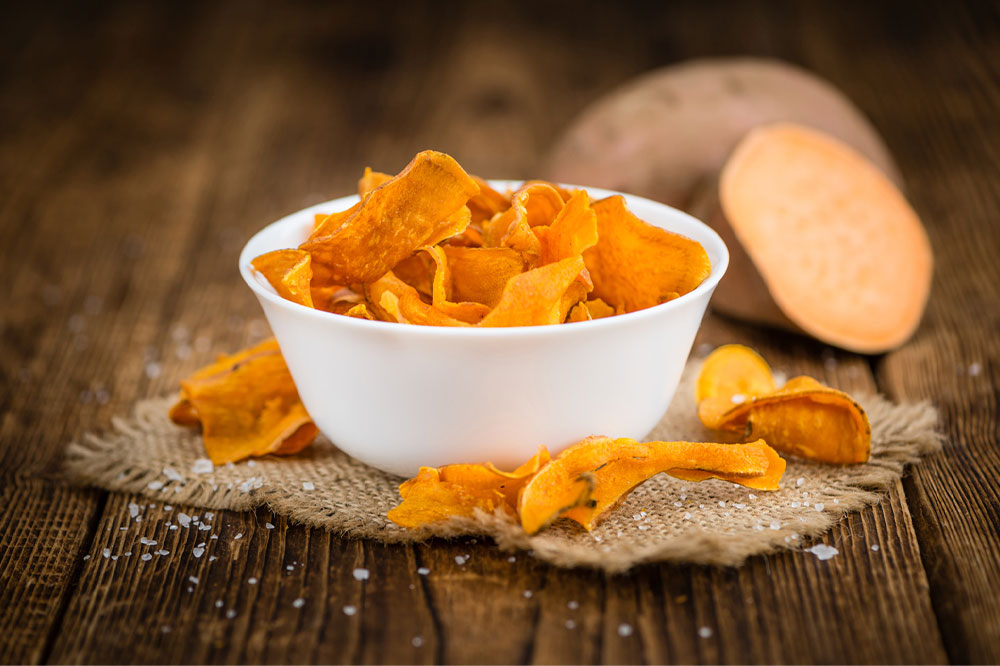
Crunchy foods can hurt one’s teeth and get stuck between the gum and dental implants. So, one should avoid food items like candies, chips, pork rinds, hard vegetables, popcorn, and French fries, among others.
Nuts
Nuts can be crunchy and hard to chew and can break the implant. So, one should avoid nuts like almonds, walnuts, hazelnuts, peanuts, nougat, and even candies with nuts. Nuts can be crushed to prevent straining the implants. Further, it is important to chew such foods slowly, without exerting a lot of pressure or force.
Dairy
Dairy is not recommended immediately after getting dental implants, as milk and other dairy products may trigger an inflammatory response in the oral tissue. Dairy has also been known to cause nausea and vomiting, which, while unpleasant in itself, may endanger the newly placed dental implants and result in excessive acidity in the mouth. This can interfere with the healing process, so one should avoid dairy products in the recovery period.
It might be best to check with one’s dentist about the foods that one should have and avoid for a quick recovery after undergoing dental implant surgery.