Avoid these 15 common shower mistakes
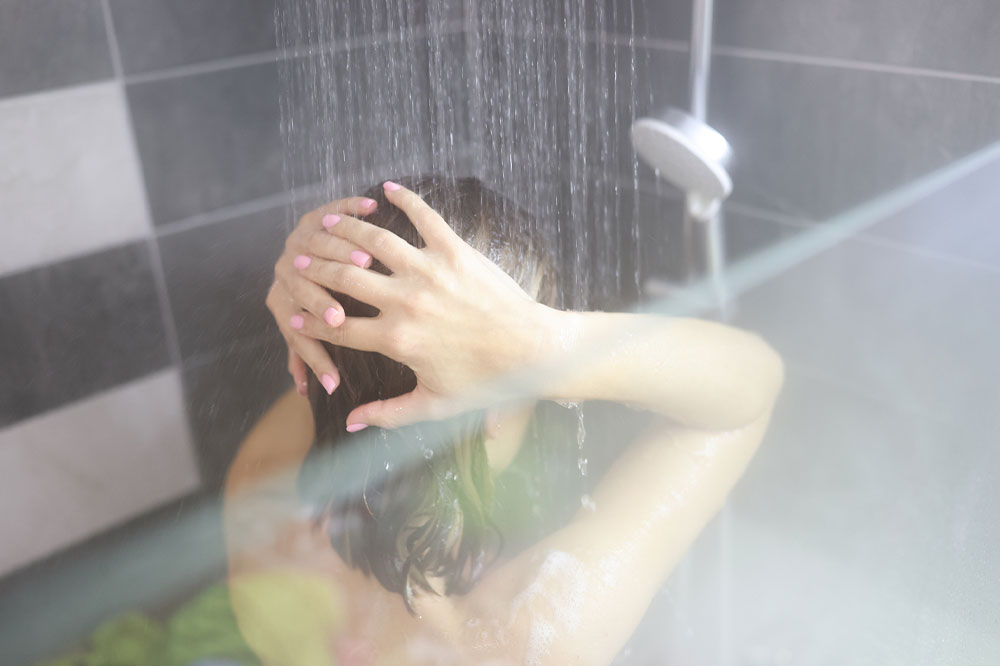
There is nothing a warm shower cannot resolve. Showering after a long day can be a stress reliever and enhance one’s mood instantly. It also has several other health benefits besides cleansing the body, including facilitating cold relief, boosting immunity, and relieving muscle pain. However, not bathing the right way can give rise to skin conditions such as rashes and eczema. Here are some common mistakes one should avoid while bathing and showering:
Not moisturizing after a shower
Wiping after a bath can reduce the body’s moisture, causing dry skin, which can lead to rashes and itching. Dermatologists recommend applying body lotion and moisturizer immediately after a shower to retain skin texture and prevent dryness. One should look for hypoallergenic moisturizers that do not have any added fragrances.
Bathing in scorching hot water
Scorching hot water can damage keratin cells in the skin’s outer layer. Consequently, the skin becomes dry and dehydrated. It is important to balance the water temperature before stepping into the shower. Ideally, the temperature of the water should be lukewarm.
Using the wrong towel
An absorbent towel that does not feel rough is ideal for wiping oneself after a shower. The most effective way to select the right towel is to check its density, measured in grams per square meter (GSM). Towels with GSMs between 400 and 550 are considered ideal for use after bathing. One should avoid towels below a GSM of 400, as these towels can be thin and rough, causing skin dryness. Moreover, towels made of superior-quality Egyptian or Turkish cotton are extremely soft and perfect for the skin.
Soaping the arms and legs excessively
While it is important to wash and clean one’s arms and legs, these areas typically do not collect much oil and dust. Hence, scrubbing them excessively can dry out these areas and hamper their natural texture. Thus, one should apply more soap to areas like the underarms, feet, neck, and buttocks, which are more susceptible to the accumulation of oil and dust.
Using one’s fingernails to scrub the scalp
The scalp is often a breeding ground for flakes, dust, and oily skin. Hence, it is important to scrub the scalp thoroughly while washing one’s hair. However, scrubbing the scalp vigorously using one’s fingernails can damage the scalp skin and trigger or aggravate flaking. The right way is to massage the scalp gently with the fingertips.
Showering for too long
While a long shower may seem like the perfect answer to stress and work pressure, showering for too long can deplete moisture from the skin, paving the way for skin diseases like eczema and psoriasis. Limiting one’s shower time to 10-15 minutes is best to retain the skin’s suppleness.
Overlooking the importance of exfoliating
Exfoliation is an underrated but integral aspect of enhancing skin texture. Exfoliating removes the accumulation of excessively dry skin cells in the body. Hence, one should exfoliate at least once in 10 days to ensure glowing skin. A scrub or chemical exfoliator may be used for this purpose. The product should be applied all over the body in circular motion for 30 seconds, before it is rinsed off with lukewarm water. Ensure to use the product recommended by a dermatologist.
Using the wrong soap
Soaps with harsh, abrasive ingredients can have harmful effects on the skin, causing acne, rashes, and inflammation. Therefore, it is best to opt for soaps with mild, soothing ingredients, such as oatmeal, salicylic acid, tea tree oil, and aloe vera, which are gentle on the skin. One should also avoid comedogenic products, which can clog skin pores and cause acne.
Forgetting to clean or replace one’s loofah
Over time, loofahs can become breeding grounds for mold and bacteria, triggering or aggravating skin infections. Thus, it is important to clean one’s loofah every week and replace it once a month. An effective way to clean a loofah is to soak it in warm water and baking soda solution for some time and let it dry completely.
Washing one’s hair daily
Although washing one’s hair every day can seem like a good idea to ensure easy maintenance, this process can eventually lead to hair dryness and breakage. This is because shampoo traps oil and spoils the hair’s natural texture. It is best to wash one’s hair twice or thrice a week instead of daily to facilitate even hair growth and prevent breakage.
Not showering after a workout
Exercise typically releases sweat, which produces bacteria on the surface of the skin and can lead to skin discomfort if left untreated. Hence, bathing after a workout is important to prevent skin infections and allergic reactions.
Not washing one’s towel regularly
Using a damp towel and not washing it can cause mold and bacteria accumulation on its surface. Such bacteria can cause skin rashes and breakouts. It is advisable to wash one’s towel at least once a week and, on other days, dry it on a towel bar after every use to ensure that it dries quickly.
Using a razor with multiple blades
Many people purchase razors with five blades for a close shave. However, these blades can eventually cause razor bumps, rashes, and itching. Razors with one or two blades also suffice to ensure a clean shave without causing skin complications. It is also crucial to exfoliate the skin before shaving and use a soothing after-shave lotion to prevent skin problems.
Not rinsing the soap properly
If soap lingers on the body after a bath, it can clog the skin pores and cause acne and breakouts on the body. It is essential to rinse every part of one’s body so that no soap traces remain on the skin after a shower.
Overlooking the importance of a grab bar
A grab bar helps one regain balance and body control while rising from a bathtub, preventing falls and accidents. Installing a grab bar and following other safety measures, like spreading non-slip mats on bathroom floors, can help ensure safety while showering.