A Guide to Knowing Household Items That Have a Cancer Risk
With a significant rise in cancer cases globally, it helps to take essential preventive measures. Many individuals might be unaware of this fact, but harmful chemicals can be present in common household products, such as cleaning products, makeup products, and so on. Knowing which ones can help you make conscious choices and select safer alternatives to carcinogenic items. Thus, here’s what you need to know to make your home environment healthier and safer for everyone.
Know what are carcinogens
A carcinogen can be a substance, an organism, or even a chemical agent that has the potential to cause cancer. These can be naturally occurring, such as the sun’s ultraviolet light and some types of viruses. Also, carcinogens are mostly human-generated, such as exhaust fumes, chemicals, and radiation. Some of these carcinogenic substances are often present in your everyday household items like air fresheners, cleaning agents, pesticides, and cosmetics too.
Long-term exposure to these carcinogens can increase the risk of cancer. This happens because the carcinogenic substances may interact with the DNA of cells in your body. They damage the DNA through mutations and cause disruption in the normal growth of the cells, leading to the formation of cancerous cells and tumors.
As a precautionary measure, it helps to be aware of potential carcinogens that may be present in everyday household items. This way you can identify and avoid them to lower the risk of cancer.
Common household items that may cause cancer risks
Cleaning products
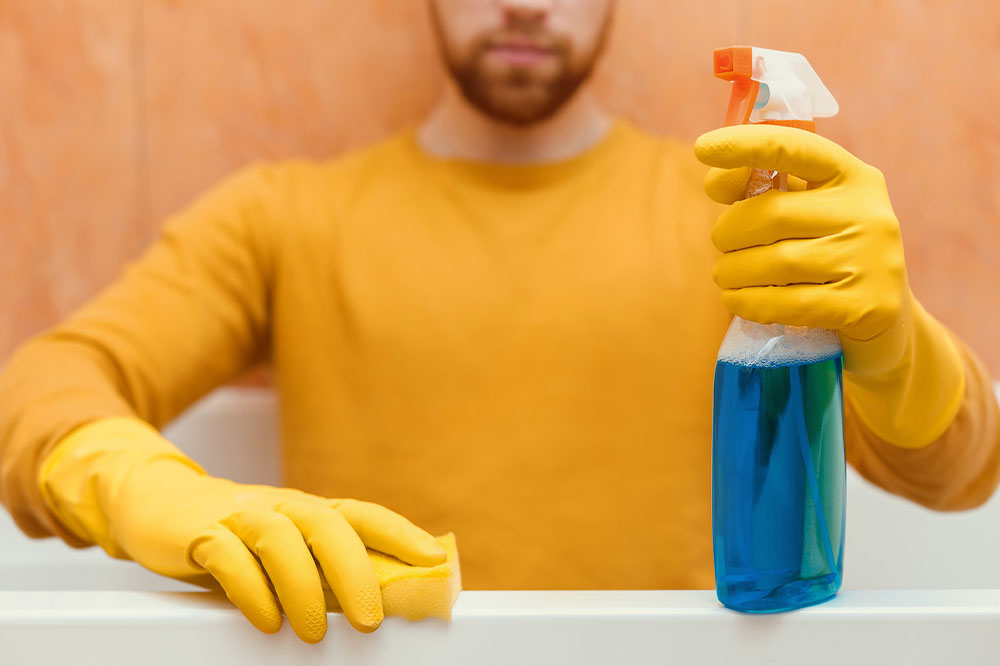
Cleaning products are one of the most common household items that may cause cancer. These can be the floor cleaner, toilet cleaners, window cleaning agents, carpet cleaners, dishwashing liquids, etc. Most of these cleaning agents contain chemicals that are potential carcinogens, such as formaldehyde, phthalates, and bleach. Long-term exposure to the fumes or the residual remains from the surfaces cleaned by these products can increase the risk of cancer.
Personal care products
Several common skincare, haircare, and cosmetic products, such as shampoos, masks, conditioners, mascaras, and eyeliners, can contain potential carcinogens, which can be harmful to overall health. Also, most of these products often contain chemicals such as parabens, oxybenzone, and sulfates. All of these have been linked with the risk of cancer. For instance, paraben is a preservative known to mimic estrogen’s function in the body, increasing the risk of breast cancer.
Cooking utensils and containers
Over the last few years, there has been growing concern about the potential cancer risk of cooking utensils and containers such as non-stick pans and plastic storage containers. These items contain chemicals such as perfluorooctanoic acid (PFOA) and bisphenols. PFOA is used in the making of several non-stick cookware. If its accumulation in the body reaches a high level, it can be a cancer risk. Similarly, bisphenols found in plastic containers can increase the risk of hormonal imbalances and certain types of cancer.
Household furniture and furnishings
If you have old furniture or furnishings at home, it’s time to dispose of them. Sofas, loveseats, recliners, mattresses, and crib beds that were manufactured before 2013 were often treated with TDCIPP. This is a flame-retardant chemical that prevents burning. It slows down the spread of fire. While it is beneficial in protecting against rare and occasional fires, prolonged exposure to TDCIPP can increase the risk of cancer. This is because the chemical is known to be carcinogenic.
Air fresheners
Using air fresheners regularly may increase your risk of cancer. This is because this common household item contains harmful chemicals called volatile organic compounds (VOCs). These include formaldehyde, benzene, and phthalates. All of these have been linked to cancer risk. When these chemicals are released into the air, and you inhale them, they can cause damage to your respiratory system and make you susceptible to cancer. These chemicals can be especially harmful if the air fresheners are used in closed or poorly ventilated spaces.
Scented candles
If you like using scented candles around your house, make sure you read the label before buying them. You need to check what primary ingredients are used to make those candles. While organic fragrance-free candles have minimal health risks, the scented candles that have been mass-produced can pose a cancer risk. This is because these candles usually contain volatile organic compounds, much like those in air fresheners. Moreover, most of these candles are made from paraffin wax that, on burning, releases compounds such as toluene and benzene, which are associated with increased cancer risk.
Asbestos roofing and insulation
Asbestos occurs naturally in nature. Due to its anti-corrosive and anti-heat properties, it has been widely used in industries as well as for household purposes. For instance, it is used in insulation, wallboards, and automotive brakes. Also, it is used to fireproof certain materials. Although it is quite useful, asbestos has been linked to several health disorders. Primary among these is the high risk of cancer.
PVC shower curtains
There has been research that indicates the association of polyvinyl chloride, or PVC, with cancer risk. The risk arises from the reaction of PVC with heat and cleaning agents. This reaction releases fumes and substances that are toxic in nature. So if you have installed PVC shower curtains in your bathrooms and you tend to use hot water for showers, it’s time you start looking for safer alternatives, such as shower curtains made from nylon.
Tips for safer choices in household products
While it is not possible to completely eliminate the risk of cancer, there are certain actions you can take to ensure your household is free of most cancer risks. Here are a few tips to get you started.
Always read the product labels and do your own research to understand and identify the ingredients that can be potential carcinogens.
Look for safer and alternative products and brands that offer chemical-free and organic options.
Whenever possible, use natural cleaning and personal care products.
Replace your non-stick and plastic cookware and containers with those made from glass, stainless steel, or cast iron.
Choose furniture and furnishing with safer certifications like GOTS (Global Organic Textile Standard).