9 Simple Steps to Create a Lush Green Lawn
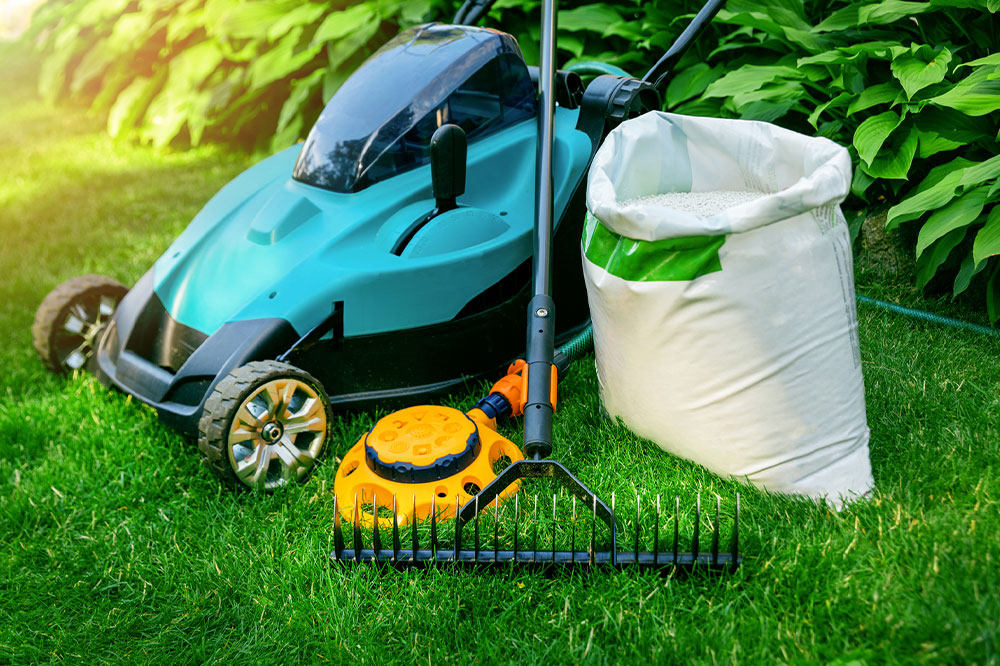
The grass can be greener where you want it to be! Learning to take care of your lawn appropriately and maintaining it can help you create a lusher, greener yard for hosting cookouts, picnics, barbecues, or a relaxing yard for you and your loved ones. You can take some quick, easy steps to avoid faded or dead patches and create the lawn of your dreams. Check out nine ways to maintain a green lawn.
Test the soil
To create a vibrant green yard, you must start by caring for the most critical factor – the soil. Since grass needs nutrients like nitrogen and phosphorus to thrive, it is important to ensure your soil is enriched with them. To ensure the best grass growth, it is also important to have a soil pH level of 5.5 to 6.5. Using a home soil test kit or hiring an agency can help you take the guesswork out of soil profiling. These tests usually cost around $20 and are the foundation of a beautiful, well-nourished lawn.
Aerate the lawn
If your lawn is used to a lot of walking and trundling by your children or pets, it may be wise to aerate it before planting any grass. It is because the soil tends to become compacted or packed. It can affect grass growth as its roots struggle to get the right amount of air and food. It is especially true for clay soil. The grass can develop a healthy root system when you aerate the soil. You can rent a machine or hire a professional company which will cost $129 on average to aerate the lawn.
Dethatch the lawn
It may sound like this step would strip the soil of essential nutrients, but dethatching the lawn to remove dead grass can help your lawn look greener and more lively. Dethatching removes the layer of dead growth, which may impede root penetration for any new grass you plant. It also prevents moss growth and lets the moisture, air, and nutrients reach the depths of the soil. You can do this project yourself, hire a one-time professional service, or, for best results, make it a part of your regular lawn maintenance routine.
Fertilize
There is no one-size-fits-all fertilizing routine that works for every lawn. Based on your soil profile, work with a professional company to find the right fertilizer and dosage for your lawn. Following these metrics precisely can help yield better results for your lawn’s health over time. Fertilize immediately after mowing with a slow-release, organic fertilizer to promote absorption. Once done, water the lawn to help dissolve the fertilizer and amplify its potential.
Overseed the lawn
Overseeding means spreading new grass seeds on an already existing lawn. It helps cover any thinning or bare spots and achieve a higher germination rate. To find out which seeds to use, contact a local lawn specialist or a professional agency to help locate the best grass varieties for your climatic conditions. Once you are ready, follow the steps below to overseed the lawn-
- Mow the existing grass short (under 2 inches).
- Use a lawn-starter fertilizer over this to create a healthy bed of nutrients for the new grass.
- Sow the grass seeds liberally.
- Gently press the seed into the soil using a rake.
- Sprinkle some high-quality compost and rake it once more.
- Avoid mowing the lawn before it reaches a height of 3 inches.
Maintain a mowing schedule
The ideal mowing schedule for your lawn would depend on the type of grass and local climatic conditions. When new grass has been planted, it is best to avoid mowing for two to three weeks so it is tall and rooted deep enough for mowing. Create a mowing schedule that works best for you, but remember not to mow the grass to any more than one-third of its height, or you risk weakening it. Avoid mowing when the soil is wet, as you may compact it further and hurt nutrient penetration and airflow. Depending on the grass species, the change of seasons may also impact its growth rate, requiring you to alter your mowing schedule. Do not mow your lawn too short in the winter, as it may be affected by frost damage. Additionally, sharpen the mower blades at the start of every season, or you risk injuring the grass.
Water the lawn regularly
After overseeding the lawn, it is important to water it every one or two days to promote root formation. After two weeks, water the lawn once or twice a week depending on the type of grass planted and the local climatic conditions.
Pest control
Many insects and animals can ruin your lawns. These include chinch bugs, grubs, webworms, cutworms, armyworms, ants, billbugs, mosquitoes, ticks, mites, and bagworms. Common signs of pests in the lawn include yellow or brown patches and fragile grass blades. You can keep these pests at bay by balancing the moisture and thickness of your lawn and occasionally spraying an organic or chemical-based insecticide.
De-weed the lawn
Right after the spring rain, you will often notice weeds popping up. Make sure to pull these out immediately by hand or using a tool, especially while they are still small and the soil is moist. For bigger weeds, you can also use a non-toxic herbicide. Weeds compete for air and nutrients in your lawn or garden and can result in the death of your carefully-planted grass. Their growth depends on nature and may sometimes indicate nutritional imbalances in the soil. The most commonly occurring weeds include dandelions, crabgrass, quack grass, chickweed, white clover, ragweed, Creeping Charlie, and oxalis. Maintaining a proper aerating, watering, and fertilization schedule will deter weed growth, as unwanted plants may not find enough nutrients or space to thrive.