9 refrigerator mistakes that one could easily avoid
Homes require a refrigerator to cool fresh produce, make cooked meals last longer, and store frozen products like ice creams or popsicles. The refrigerators have various features and are available in multiple designs and sizes, so customers can purchase a type that suits their kitchen space. But as functional as they are, one could still make mistakes when using the refrigerator, affecting its functionality. So, here are nine common refrigerator mistakes to avoid.
Lack of cleaning
All home appliances, including refrigerators, accumulate dirt and grime gradually. Not cleaning the appliance could eventually force it to work harder, consume more electricity, and sometimes cease functioning. So, one should ensure proper cleaning of the interior and exterior of the refrigerator to help it function optimally.
Furthermore, it is essential to avoid tampering with any appliance components and instead hire professionals to maintain those parts. The experts should be able to prevent clogs and leaks and clean the defrost pipe to avoid blockages or freezing. Additionally, they should address any water that may drip off the coils and collect at the unit’s bottom.
Failing to defrost the refrigerator
In older refrigerators, frost could build up over the interior coils, which may reduce the efficiency of the freezer compartment. One should ensure they set a defrost schedule to maintain efficient thermal transfer between the refrigerator components. While modern-day refrigerators come with a self-defrost feature, it is still important to check if the appliance undergoes the process with long-term usage.
Poor organization of food
While it might seem convenient to store groceries in any refrigerator space, one should note that there is a convenient way to do this. Storing food items in suitable temperature zones helps foods last longer, which will help save on grocery bills. One should keep drinks and leftovers on the upper shelves, while raw ingredients like meat, dairy products, and fish must be placed on the lower shelves. Fresh produce should go in the crisper drawer. However, it is recommended not to place fruits and vegetables next to each other as the ethylene from fruits may spoil the veggies quickly.
Placing incorrect foods inside
One usually assumes that the refrigerator is most suitable for all our perishables, but not always. Some items should never go into the fridge, as keeping them cold could spoil them quickly. A few things that should not go into the fridge include bread, avocados, fresh herbs, and tomatoes. Such items are best stored at room temperature.
Setting the incorrect temperature
Refrigerators come with a knob or buttons to set the temperature to a certain limit. While there aren’t many variations available, one may still set the wrong temperature, which could affect the quality and lifespan of fresh produce. Foods may freeze if it drops below 32 degrees F. On the contrary, the perishables may spoil and be unsafe to consume if the temperature sores past 40 degrees F. The ideal temperature inside the appliance should be around 35 to 38 degrees F. If there isn’t an in-built thermometer, one could always hang one inside the fridge to check the temperature occasionally.
Overcrowding the appliance
While having a fully stocked refrigerator might save on traveling to the store frequently, overcrowding the appliance is not the best idea. A refrigerator requires room for air to circulate and cool foods appropriately. If there are too many items inside the refrigerator and others that block the air vents, the groceries and other foods might spoil faster. One should fill the shelves appropriately and avoid overstocking groceries so the refrigerator can function at maximum capacity.
Refrigerating hot or warm food
One may put hot or warm food directly into the refrigerator because they are in a hurry. However, doing so may cause the interior temperature to rise, affecting the quality of other perishables inside the kitchen appliance. The hot food may also cause the unit to work harder to stabilize temperature, resulting in excessive electricity consumption. Therefore, one should let the food cool down before putting it into the refrigerator.
Not checking if the door is closed
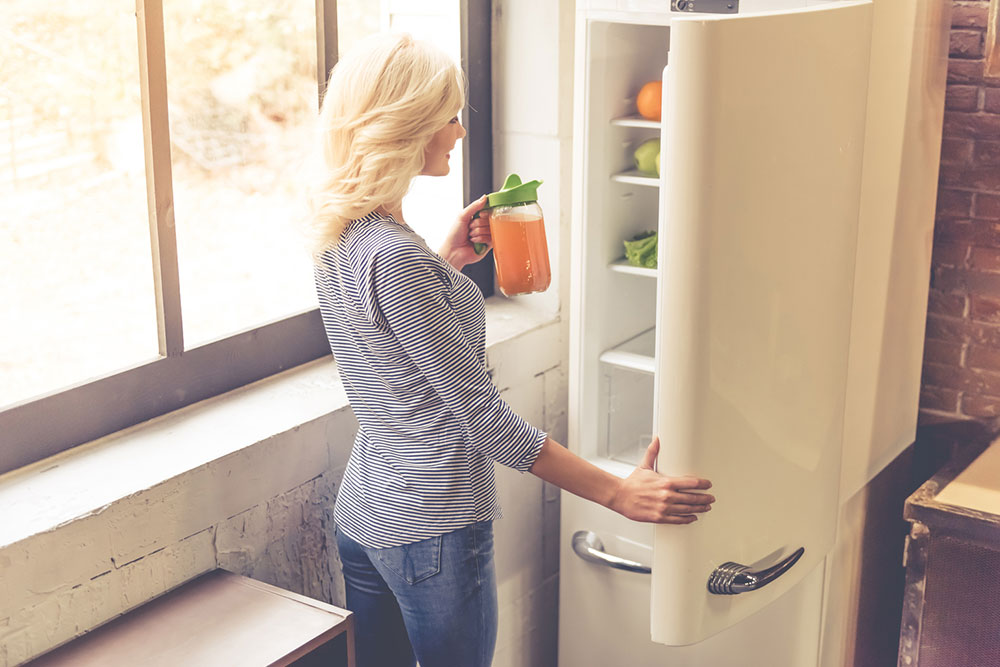
This is one of the most common mistakes people make. It is easy to lose track of whether the door is closed when one takes what they need from the refrigerator. However, if left open for too long, the appliance will lose its ability to cool groceries and damage the components in the long run. Additionally, one should ensure that items are correctly placed inside and do not protrude, as they could obstruct the door from sealing properly. It is always a good idea to double-check if the door is closed when one is done using the refrigerator.
Not replacing torn gaskets
One should be mindful of how well a refrigerator door seals. The door gasket, a rubber seal running along the door frame, is meant to reinforce the seal and introduce a layer of insulation to prevent cool air from escaping the appliance’s interior. Therefore, even a slight tear in the seal could disrupt this process, causing the refrigerator to work harder and spike energy bills. One should check these seals frequently and replace them if any torn portions are noticed.