9 mistakes to avoid when buying an electric vehicle
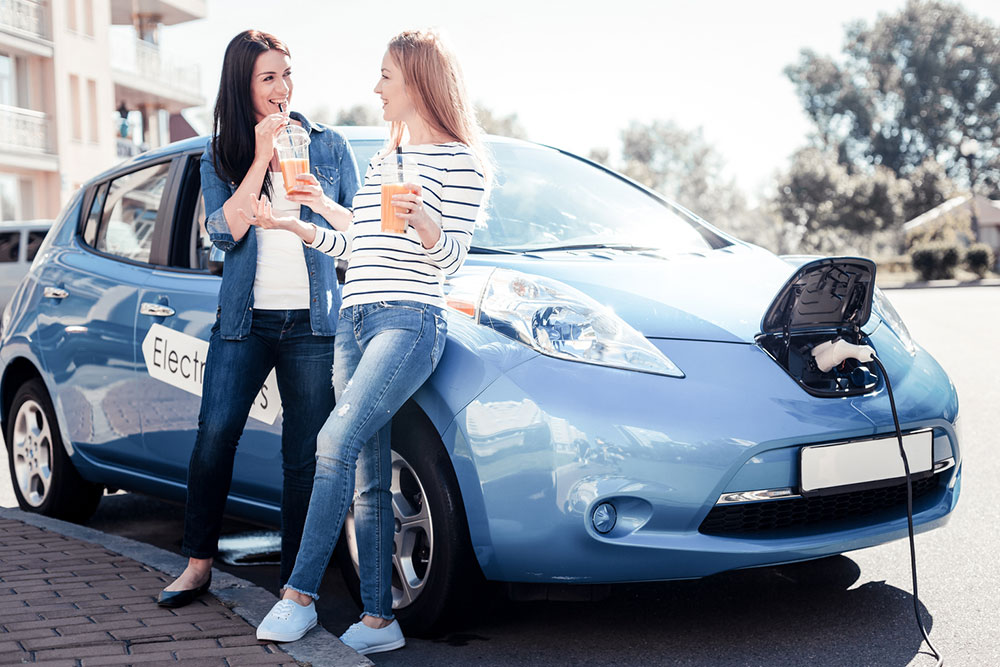
Of late, there has been a rapid increase in the popularity of electric vehicles. This is largely due to their promise to reduce fuel costs and carbon emissions. However, just like with any new technology, some important factors must be considered to ensure a comfortable and efficient driving experience. To find the most suitable electric vehicle for one’s needs, customers must avoid making these nine common mistakes:
1. Overlooking savings via tax credits
A new car can be a major investment. Luckily, with electric cars, there is more room for savings in the form of tax credits. Buyers can save up to $7,500 in clean vehicle tax credits. This is a dollar-for-dollar reduction on one’s total tax owed, thus significantly bringing down one’s tax liability. However, it is essential to note that this credit only applies to the first couple thousand EVs sold by the manufacturer or dealer. Check these details thoroughly before finalizing the purchase.
In addition to federal tax credits, several state governments offer savings programs and incentives for EV purchases. For instance, one state offers $2,500 toward the purchase of an EV and $1,250 toward a lease, while another state’s Drive Clean Rebate Program offers $2000 for EVs under $60,000.
2. Forgetting about one’s driving needs
With fuel prices continuing to soar, electric cars most certainly sound like the more appealing option. While they can help reduce one’s bills significantly, it is important to remember that these cars have a limited driving range and must be charged regularly. This can be a significant issue for those who enjoy frequent road trips.
Take some time to understand one’s personal driving needs and preferences. Keep these in mind when finding the right electric car. If driving for long distances is non-negotiable, consider investing in a hybrid car or a car with a longer driving range.
3. Not considering the impact of weather
Weather plays a major role in governing some electric vehicles’ charging time and performance. According to reports by the Office of Energy Efficiency and Renewable Energy, their range could be impacted by as much as 25% in colder weather. This problem generally occurs with smaller, lighter EVs with limited battery insulation. For those living in colder regions of the country, it may be better to look for an EV designed for the frigid weather.
4. Ignoring cargo space
A small, compact EV is often considered the ideal choice for inner-city driving. But this can be difficult for those expecting to move some luggage around. EVs are infamous for having less cargo space than gasoline vehicles. This is because battery storage generally occurs under the back seat or in the car’s trunk in most EVs. Since this can be a dealbreaker for many, measuring the trunk space before investing in a new car is always a good idea.
5. Avoiding research
Since EVs are relatively new to the market, finding the right one takes time and research. Learn about the different types of EVs, including their features, specifications, and costs. Pay special attention to their ranges, charging times, and buying incentives offered. Knowing these details can help one find the right car and negotiate a better price at the dealership.
6. Failing to think about charging infrastructure
The charging infrastructure is one of the most important things to consider when getting an electric car. Regular access to a charging station is necessary to ensure the car’s seamless functioning and can be a make-or-break factor in one’s EV ownership experience.
With most EVs, dealerships also sell level-2 chargers and arrange installation. This can be set up at home or in apartment complexes. However, when traveling, drivers must pay careful attention to charging stations en route or at destinations such as their offices.
7. Not taking maintenance into account
EVs are made up of complex parts, which can be more expensive to repair in case of an accident or breakdown than a fuel-powered vehicle. Although new cars have an initial warranty that can help override these costs, they may add up over time.
8. Ignoring insurance costs
Insurance for an EV is generally more expensive than gas-powered cars since they tend to have a higher MSRP. The higher the base cost of a vehicle, the higher its insurance will likely cost. Additionally, insurance companies account for more expensive parts, such as the battery pack, which can be resource- and labor-consuming to replace.
9. Going over-budget
While buying a car is exciting, it is important to set a budget. Sales professionals are well-equipped to slip customers add-ons and features they may not need, causing people to go over budget.
When buying an EV, there are several associated costs to consider, such as installing a charging station, insurance, maintenance, electricity, etc. Instead of only looking at the sticker price on the car, tally these charges to understand the total cost of ownership. This will give buyers a better idea of their overall expenses and help them find a car within their budget.