9 Medical Conditions That May Trigger Severe Hair Loss
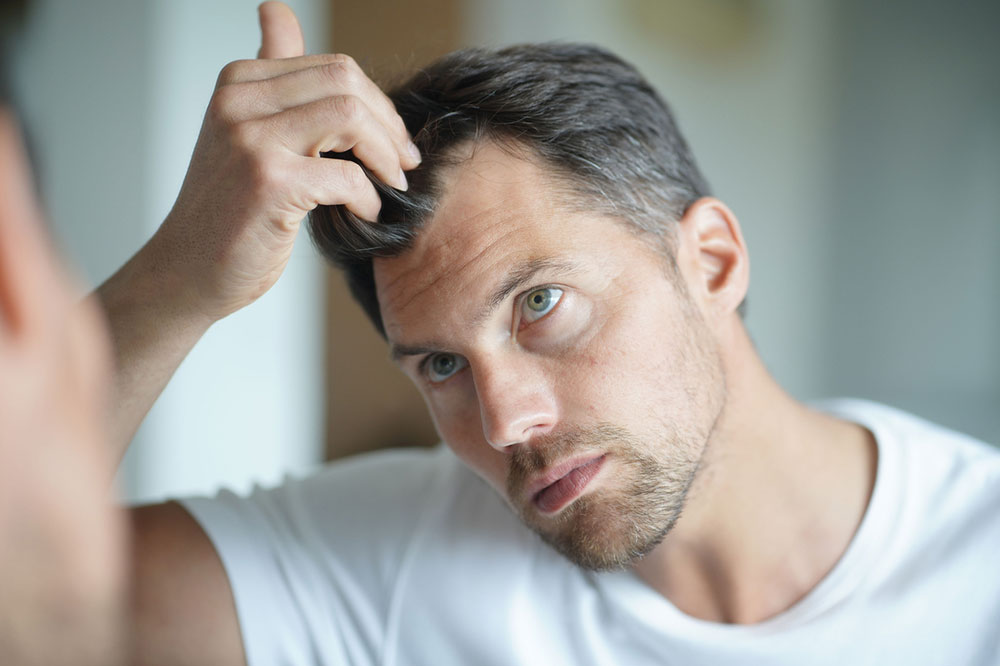
Usually, hair shedding is seen about two or three months after one develops certain illnesses. Such illnesses tend to force several hairs into simultaneously entering the telogen (shedding) phase of their lifecycle. Additionally, certain diseases are autoimmune, meaning that they can bring about aggressive immune reactions in people that cause the elimination of hair follicles and, subsequently, hair loss. Here are some common medical conditions that can trigger severe hair loss in people:
Thyroid disorders
Both thyroid issues, hypothyroidism and hyperthyroidism, indicative of an under-active thyroid or an over-active one, can cause hair thinning and subsequent hair fall.
The thyroid gland is responsible for hormone secretion in various parts of the body. An under or over-production of such hormones can negatively affect the performance of one’s hair follicles. This results in hair fall on a premature basis.
Alopecia areata
One of the more common causes of hair loss is alopecia areata. “Alopecia” is a term used to denote baldness in individuals, while “areata” stands for patchy hair loss in this health condition. Hair fall in this condition occurs in small, coin-sized patches of hair. This is why, initially, one may not notice that they are steadily losing hair.
This health condition falls in a list of autoimmune disorders that attack hair follicles to cause premature balding in men and women. Generally, alopecia areata affects the head and face. Many alopecia areata treatments are available, such as self-care and various therapies for the scalp.
Crohn’s Disease
Crohn’s disease is a gastrointestinal disorder. It mainly causes inflammation in a person’s digestive tract. Rapid hair loss is one of the rarer symptoms of this health condition. This disease tends to limit the absorption of nutrients in the gut, weakening the hair follicles. This negatively affects the follicles’ ability to regenerate hair that has fallen.
While Crohn’s disease is not fully curable, doctors can use specific therapy alternatives, and patients can change their lifestyles to enjoy a healthy life. Accordingly, the hair loss because of this disorder can grow back once patients go into remission with Crohn’s disease.
This is one of the common medical conditions that can trigger severe hair loss in individuals.
Systemic Lupus Erythematosus (SLE)
Lupus, medically known as Systemic Lupus Erythematosus (SLE), is a chronic autoimmune disorder that is generally rare, with about 2 out of every ten individuals suffering from this health condition. Like alopecia areata, this condition also triggers one’s immune system to create aggressive antibodies attacking and debilitating their cells, tissue, and hair follicles. When the antibodies created by the body itself infiltrate the hair follicles, shedding is accelerated.
People with this condition can grow their hair back with various lupus treatments available. SLE can be identified through specific apparent symptoms, such as random joint pains, ulcers in body orifices, rashes across the nose and cheek, and others.
Trichotillomania
The compulsive behavior of pulling out one’s hair can also result in frequent and rapid shedding and damage to hair follicles. Trichotillomania is a behavioral-focused disorder in which one cannot control their impulses. People with this health condition often pull out their hair in bunches. While this hair-pulling can be done in any bodily area with follicles, people with this disorder tend to remove hair from their eyebrows, scalp, and eyelids.
Behavioral therapy and some other therapies are the solutions to this health condition over a gradual period. For example, behavioral therapy helps people regain control over their motor impulses and become increasingly aware of their behaviors, including pulling hair, scratching skin, twitching, etc. This, in most cases, tends to a gradual reversal of habits such as these.
Psoriasis
Psoriasis is another immune system-based disorder in which a person develops red patches on their skin. In some cases, people tend to get silver-colored plaques on their skin. These patches or plaques can also form on a person’s face or scalp. This causes hair loss for people with this condition. If people get this health condition diagnosed and treated early, the hair fall can be reversed. However, if one does not address this condition with the proper treatment alternative, they can suffer scalp scarring and, in many cases, permanent hair loss.
Ringworm of the scalp
This condition, medically termed tinea capitis, is caused by a type of fungal infection that directly affects the scalp. Like with psoriasis, people with this condition tend to develop scaly patches on their scalps. This makes the hair follicles in that zone extraordinarily brittle and fragile. Once the hair fall begins, people with tinea capitis show bald spots on their heads. Tinea capitis is a treatable condition. Healthcare experts generally recommend antifungal treatment to eliminate the infection from a person’s skin.
Eczema
This is yet another skin condition that accelerates hair shedding in people. Eczema, alternatively called atopic dermatitis by doctors and dermatologists, makes the skin rash-filled, red, and incredibly itchy. When one develops eczema on their scalp, they may have highly itchy heads. This indirectly speeds up hair fall in people. Additionally, eczema facilitates the need for people to go bald to ease their scalp itches more conveniently and voluntarily.
Anemia
Anemia is characterized by a glaring iron deficiency in a person’s blood. People with anemia feel a sensation of fatigue and dizziness as their brain does not get a healthy supply of iron for revitalization. Another symptom of anemia is the damage caused to hair loss due to this nutritional deficiency.
At first, the hair follicles weaken, resulting in brittleness creeping into a person’s hair. Then, they start shedding hair rapidly.
Other health conditions that cause hair loss include polycystic ovary syndrome (PCOS), syphilis, skin cancer, pregnancy, and long-term depression.
Conclusion
If you are experiencing any of these conditions or are worried about hair loss, it is best advised to visit a healthcare professional. They can perform a diagnosis and devise a suitable treatment plan. In other cases, one may even alter their lifestyle patterns. For example, include using milder shampoos and styling tools to help keep your hair looking healthy as possible.