9 errors to avoid when buying commercial kitchen equipment
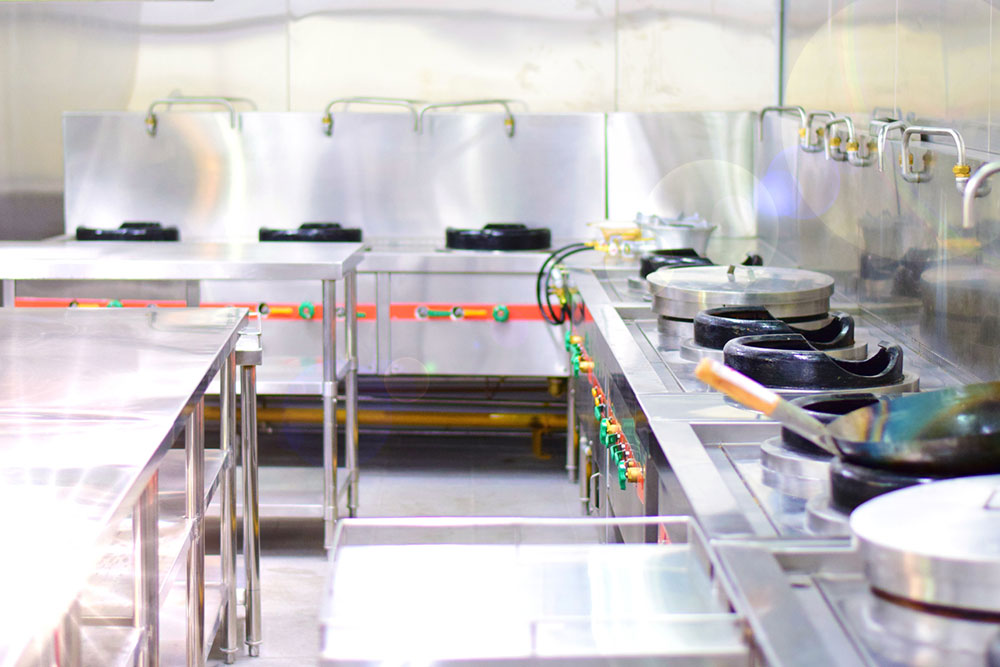
Kitchen equipment plays a key role in the success of the food business, as the right tools can make cooking and storage more efficient. So, while choosing commercial kitchen equipment, one should carefully consider factors like durability, energy efficiency, and price to avoid making an expensive mistake and ending up with faulty appliances. So, the process cannot be rushed. Further, one should avoid making the following errors while buying commercial kitchen equipment:
1. Skipping research
For a food business, like a restaurant, kitchen equipment is one of the most essential resources. So, before buying such equipment, it is important for owners to do the required research. For example, one must look up brands and opt for the most reliable option. Further, one should look up the types of equipment to choose a suitable one. For instance, if a commercial kitchen needs an oven, one must determine the right type of oven to buy—convection, combination, conveyor, or pizza oven.
2. Not considering the menu
Before purchasing any kitchen equipment, one must assess the business requirements, i.e., what their restaurant, food truck, or catering business needs. For this, they need to review their menu. For instance, if a restaurant plans on serving pizzas, they would need a pizza oven. Further, they might need a mixer to mix large batches of pizza dough. Additionally, for pizzerias, investing in these appliances is inevitable, but restaurants that serve other kinds of food, including pizzas, could consider skipping the mixer. So, by carefully going over all the items on the menu, one can determine the type of kitchen tools they need.
3. Getting the size wrong
Before choosing the type and quantity of commercial kitchen equipment, business owners must first inspect their kitchen layout. They need to know the amount of space the kitchen has to accommodate all appliances. Failing to measure the available space and the equipment can make one end up with tools that do not fit in the kitchen. Even if one is able to accommodate the equipment, one needs to ensure that the appliance can be operated in the kitchen comfortably. For instance, refrigerator doors should have enough room to open.
4. Choosing the wrong material
For certain types of commercial kitchen equipment, it is important to choose the right material. For instance, when purchasing a food prep counter, it is important to opt for a stainless steel variant. This is because food prep counters need to have the highest level of cleanliness, and stainless steel is a material that is easy to maintain. Secondly, stainless steel is extremely durable and does not rust. Similarly, it is important to choose the right materials for other kitchen tools, like knives, slicers, and chopping boards, to ensure one gets easy-to-use and durable equipment.
5. Prioritizing price over quality
As kitchen equipment is among the most important tools for food businesses, when buying it, one should not compromise on quality just to save some money. Buying affordable but poor-quality kitchen equipment might save the owners some money initially, but in the long run, equipment breakdown, bad performance, and high maintenance requirements can get really expensive. Such equipment might also need frequent repairs. So, one should avoid focusing solely on the price while buying crucial equipment.
6. Overlooking energy efficiency
When purchasing kitchen appliances, one must not overlook their energy efficiency ratings. This is not only important from an eco-friendly perspective but also for saving money in the long run. Energy-efficient kitchen equipment can help the business bring down its electricity bills. So, when purchasing appliances such as refrigerators, one must look for an Energy Star label. This tag indicates that the appliance consumes less energy.
7. Skipping inspection
The task of acquiring commercial kitchen equipment does not end with placing orders. After the equipment arrives, the owners must inspect all the tools carefully. There are chances that the items could have sustained some kind of damage in transit. If that is the case, one would need to inform the seller immediately. Failing to do so could lead to the item’s warranty getting invalidated. So, upon delivery of the items, one must spend some time checking for any cracks, dents, or similar signs of damage on the equipment. Additionally, if the equipment does not work as it is supposed to, one would need to inform the seller immediately and ask for a replacement or refund.
8. Buying more tools than required
It is important for food businesses to make a list of must-have commercial kitchen equipment and stick to the list to avoid overspending. Setting up a kitchen can be expensive as it is, so one should try to initially spend money on exactly what they need. One can always get more appliances and kitchen tools as the business and its needs grow.
9. Ignoring maintenance requirements
Commercial kitchen equipment needs regular cleanup and maintenance to function optimally. So, while buying such equipment, one should consider the extent of maintenance it requires. Further, certain appliances can be tricky to clean, carrying a higher risk of mold and bacterial growth, which are major hygiene issues. So, one should explore all available options and choose ones that are relatively easier to maintain.