8 trigger foods to avoid with ulcerative colitis

Ulcerative colitis is a disorder that causes inflammation, ulcers, and sores in the digestive tract of individuals. This condition adversely affects the inner lining of the colon, large intestine, and rectum. Further, certain foods tend to worsen the symptoms of ulcerative colitis as they are either hard to digest or are likely to exacerbate the inflammation in the digestive tract. Here are some trigger foods to avoid with ulcerative colitis.
Cakes and pastries
Sugary foods are known to be inflammatory in nature. Various research studies have found that sugar-laden foods like candies, sodas, juices, cakes, and pastries are more likely to trigger ulcerative colitis flare-ups in individuals.
Additionally, such foods raise the blood sugar levels. This can further cause health complications and flare-ups that worsen the various ulcerative colitis symptoms that already exist in vulnerable individuals.
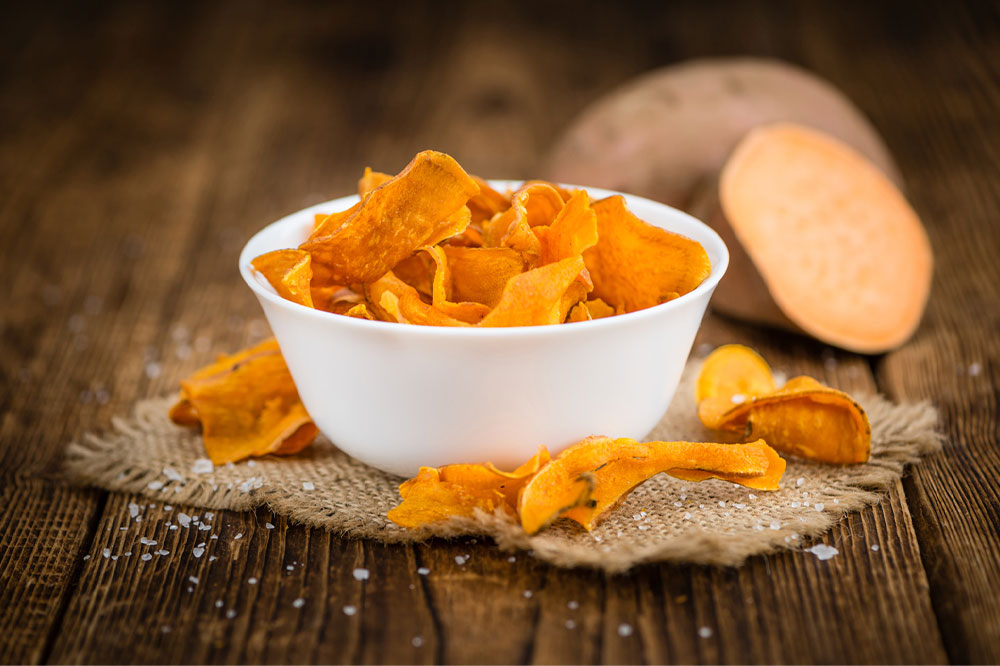
Fried chips
High-fat foods are next in line after sugary foods when it comes to the eatables that are inflammatory for the digestive tract. High-fat foods such as fried chips increase the possibility of inflammation, even in people who do not have ulcerative colitis. So, these foods can significantly increase the inflammation levels in individuals with the condition, thereby worsening the symptoms.
If one regularly eats foods like margarine, cream, butter, coconut oils, French fries, and fried chips, they are at a high risk of developing ulcerative colitis. And in those who have the condition, such foods may make the ulcerative colitis flare-ups more severe. So, following a low-fat food regime helps reduce the symptoms of ulcerative colitis.
White bread
Gluten-heavy foods are known to worsen the symptoms of ulcerative colitis gradually. Foods such as white bread, wheat, rye, barley, pasta, certain condiments, soups, and sauces contain loads of gluten. People who are gluten intolerant may suffer from disorders like ulcerative colitis and similar conditions if they add these foods to their daily meals. Moreover, even those who are not gluten intolerant should eat such foods in moderation.
Gluten-driven health issues are among the leading causes of digestive issues in a growing number of people. Several studies have found a direct link between the consumption of foods containing even tiny amounts of gluten and the worsening of ulcerative colitis flare-ups in people living with the condition. In fact, such studies also found that those who did not have any digestive issues are prone to ulcerative colitis just by regularly having gluten-rich foods.
Milk and cheese
Dairy products generally have a range of health benefits. Adding milk, cheese, butter, and similar other foods to one’s daily meals helps optimize the protein content. However, dairy products are trigger foods to avoid with ulcerative colitis and lactose intolerance. People who are lactose intolerant cannot fully digest dairy products in a proper manner. This is because their bodies cannot adequately break down lactose, a sugar found in milk and dairy products.
In many instances, even those who do not have lactose intolerance but have ulcerative colitis are likely to make the symptoms of their condition worse just by adding dairy products like milk and cheese to their food regime.
Beans
Legumes and beans contain large amounts of fiber, which tends to increase stomach gas in their consumers. Legumes and beans, for this reason, are not ideal foods for someone who already has an inflammatory digestive condition such as ulcerative colitis.
Instead of beans and legumes, one can try different preparations or smaller portions to prevent worsening ulcerative colitis symptoms. For instance, one can try removing the outer coating of chickpeas, or pureeing them into hummus, or rinsing canned beans well to make foods like beans and legumes more palatable for the digestive systems of people with ulcerative colitis.
Broccoli
Broccoli is one of the healthiest foods to eat from most viewpoints. Its high fiber and high nutritional value make it an ideal food to combat a lot of health conditions. However, broccoli is one of the worst foods when it comes to managing ulcerative colitis symptoms.
The high fiber content in broccoli and other vegetables and sprouts, such as Brussels sprouts, cabbage, and celery, makes them unpalatable for those with ulcerative colitis.
Tea and coffee
Tea and coffee contain caffeine, which is known to worsen inflammation in people. Additionally, those who have ulcerative colitis and are used to having loads of coffee or tea can face problems like taking several bathroom breaks throughout the day, even without Irritable Bowel Syndrome (IBS). This can make it extremely difficult to manage the symptoms of ulcerative colitis.
Apart from tea and coffee, certain natural energy drinks may also trigger the symptoms of ulcerative colitis in individuals and should be avoided.
Carbonated soda
Carbonated drinks like sodas and fizzy beverages increase the possibility of gas and bloating in individuals. In the long run, this causes abdominal pain and discomfort among such individuals. Additionally, many such drinks contain caffeine, an element that can worsen diarrhea and stimulate one’s intestines.
Further, sugary carbonated drinks already contain loads of refined sugars, which increase inflammation, especially in people with ulcerative colitis. Moreover, regularly having carbonated beverages may also increase the risk of heart disease, high blood pressure, and Crohn’s disease.