8 tips for investing in gold, silver, and other precious metals
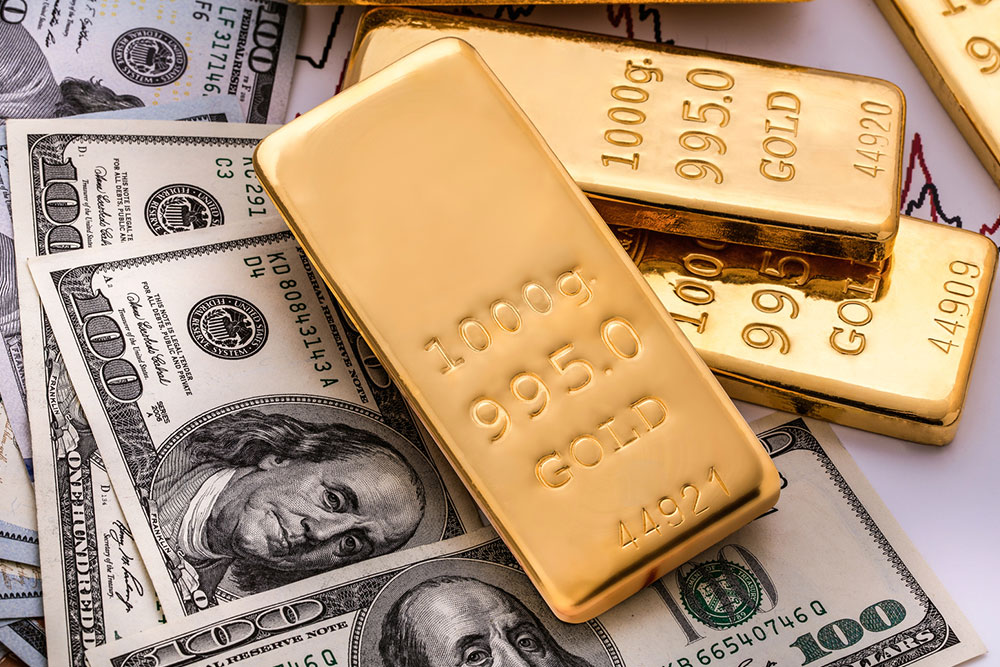
The allure of precious metals, with their timeless beauty and enduring value, has captivated people for centuries. Be it gold, silver, or other precious metals, all these commodities hold a unique place in financial history. Investing in such treasures is not merely about accumulating wealth; it is a testament to the resilience of value over time. However, before investing in precious metals, it is important to be careful and equipped with the proper knowledge.
Gold, silver, and other precious metals come with their nuances, intricacies, and potential pitfalls that every investor should be aware of. Let’s explore eight crucial tips that individuals should consider when investing in precious metals.
Understand the investment goal
Before acquiring precious metals, it is imperative to have a clear understanding of one’s investment objectives. Determining whether the goal is to preserve wealth, diversify the portfolio, or simply acquire beautiful pieces for one’s collection will impact the type and quantity of precious metals to be invested in.
If wealth preservation is one’s primary goal, gold and silver, known as “safe-haven” assets, are often preferred due to their historical stability. On the other hand, collectors might focus on rare coins or unique items. Defining one’s purpose will help tailor the investment strategy.
Conduct extensive research
Precious metal markets can be volatile, influenced by a myriad of factors such as economic conditions, geopolitical events, and currency fluctuations. Before making any investment, it is crucial to stay informed about market trends. Keep an eye on news and analysis from reputable sources to understand the dynamics affecting precious metal prices.
Additionally, it is important to learn about the different forms of precious metals available. One can purchase gold and silver in the form of coins, bars, or jewelry, each with its advantages and disadvantages. Investors must research thoroughly to determine which type best aligns with their investment goals and preferences.
Verify the seller’s reputation
When purchasing precious metals, especially from unfamiliar sources, verifying the seller’s reputation is vital. Look for dealers or brokers with a long history of reliability and customer satisfaction. Check online reviews, ask for recommendations from fellow investors, and verify their credentials.
Furthermore, ensure that the seller provides transparent pricing and a clear return policy. Beware of deals that seem too good to be true, as scams and counterfeit products are prevalent in the precious metals market.
Assess storage and security
Once the precious metals have been acquired, the next consideration is where and how to store them. Security is paramount, as these assets can be attractive targets for theft. Many investors opt for secure storage facilities or bank vaults as these options offer peace of mind and protection against potential risks.
However, when storing precious metals at home, invest in a high-quality safe deposit box or secure storage system. Moreover, ensure that the insurance coverage adequately reflects the value of the holdings to safeguard against unforeseen events like theft or damage.
Diversify the investment portfolio
Diversification is a fundamental principle of investment strategy. It helps mitigate risks by spreading investments across different asset classes. Although precious metals can be a valuable addition to any portfolio, it is essential to look at other investment options as well.
Consider how much of the overall portfolio should be allocated to precious metals. Financial experts often recommend allocating between 5% and 10% of one’s total assets to gold and silver. This allocation can provide a hedge against inflation and economic uncertainties without overexposing the investment portfolio to the volatility of the market.
Stay informed about taxes and regulations
The taxation of precious metals varies from one jurisdiction to another. Before purchasing, it is crucial to understand the tax implications associated with buying, owning, and selling these assets in any given location. In some places, certain forms of precious metals may entail sales tax or capital gains tax.
One must consult a tax professional or financial advisor to make sure they are compliant with all relevant regulations and make informed decisions regarding precious metal investments. Failing to do so can result in unexpected tax liabilities and erode returns.
Consider long-term holding
Investing in precious metals should be a long-term strategy as the benefits often manifest over time. Historically, gold and silver investments have demonstrated their ability to build wealth and act as a hedge against economic downturns.
Before selling precious metals, one should evaluate one’s financial situation and the market conditions carefully. Impulsive decisions based on short-term fluctuations in price should be avoided. Instead, investors should focus on the long-term potential for growth and wealth preservation that precious metals can offer.
Beware of numismatic premiums
When investing in precious metals, particularly gold and silver, it is important to be aware of numismatic premiums. Numismatic coins are not valued solely for their metal content but also for their rarity, historical significance, and collector demand. As a result, they often command higher prices than bullion coins or bars.
While numismatic coins can be fascinating and valuable in their own right, they may not always align with one’s investment objectives. Suppose one’s primary goal is wealth preservation or portfolio diversification. In that case, it may be wise to focus on bullions, which typically have lower premiums and are closer in value to the current market price of the metal. However, for those who are genuinely interested in numismatic coins and collectibles, it is essential to research and understand the market thoroughly. Numismatic premiums can fluctuate significantly, so one must be prepared for potential price volatility.
Considering gold, silver, and other precious metals for investments can be a sound financial decision, provided one approaches it with diligence. By following these tips, one can delve into the world of precious metals and strive towards achieving their financial objectives.