8 mistakes to avoid with dental implants
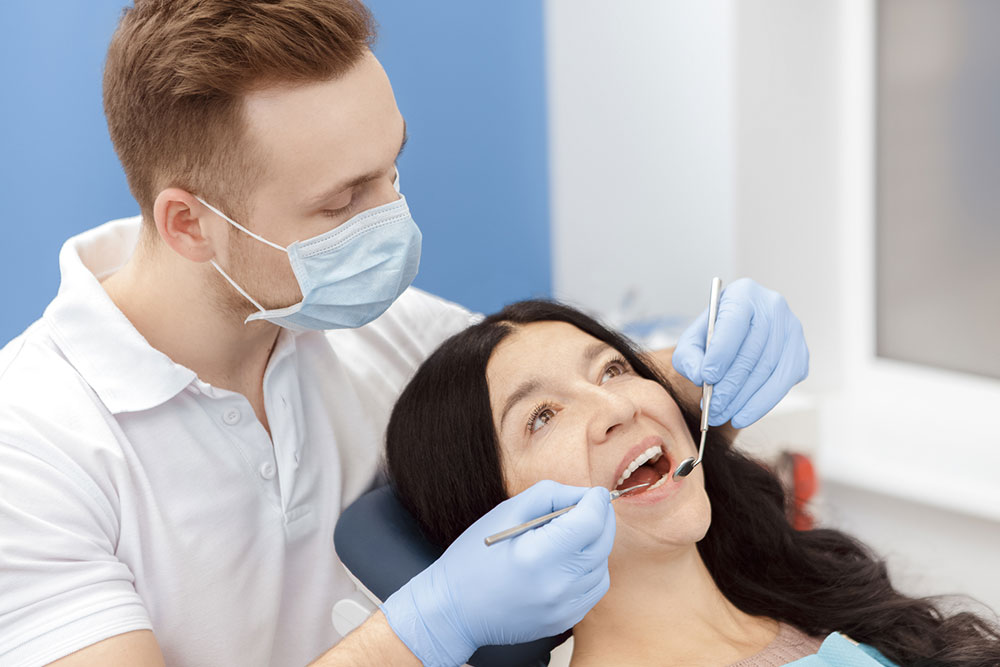
Dental implants are among the best solutions for missing or damaged teeth. In addition to restoring the smile, dental implants restore dental function, helping one chew and speak as they would with regular teeth. However, dental implants offer the best results when one chooses the right type of implants and maintains the implants as instructed. To do that, it is important to avoid a few mistakes during and after getting dental implants.
1. Not exploring all options
Today one can find various types of dental implants. To choose the type that addresses the specific dental problem one has one should consult a dentist. The dentist can also determine if one’s existing teeth could be retained or if the number of teeth that need to be replaced. Based on the examination, the dentist can recommend options other than implants like partial dentures. Certain dental implants can help support an entire arch. Additionally, consulting a dentist helps one figure out the right procedure. For instance, one could opt for teeth-in-a-day, which is a fast process, or undergo a lengthy transitional dental implant procedure based on their dental health. Researching all options is crucial for making an informed decision.
2. Concealing health history
One may intentionally conceal their health history from a dentist to try to reduce costs associated with dental implants. However, by not sharing complete and accurate information about their health, one could get implants that do not align with their long-term needs. This is because dentists typically review all dental and other health information before a procedure to ensure it works for the patient. With a complete health history, a dentist can make adjustments to the treatment plan and identify potential risks to ensure one has a smooth and safe implant procedure.
3. Overlooking implant care
After getting the implants, one has to follow a regular care procedure as they would for natural teeth to prevent dental issues. Also, poor dental care routines can damage the implants permanently. So, one must brush the implants twice every day with a soft-bristled or electric toothbrush, use dental floss regularly, and rinse the mouth with an antimicrobial mouthwash daily. One should also check with the dentist for guidance on how to care for the implants.
4. Skipping dental checkups
Following an implant procedure, it is crucial to schedule frequent dental appointments. Skipping such visits to the dentist can increase the risk of delayed detection of issues that might affect implant health in the long run. Also, to ensure one is on track with implant care, one must schedule dental visits at least twice a year or as recommended by the dentist. Using an online calendar and setting reminders on a smartphone can help one avoid missing an appointment and keep track of upcoming and past appointments. Additionally, one must follow a dentist’s advice regarding additional visits or treatments, if any.
5. Overlooking potential complications
If one has already undergone a dental implant procedure, one might experience varying levels of discomfort or pain, bleeding, and swelling for a few hours or days following the surgery. However, if one experiences unusual side effects or sees no improvement in expected symptoms, they must consult their dentist. One can always make an emergency appointment if required. Also, after the diagnosis, one should ensure they stick to all the care instructions, prescriptions, and other guidelines laid down by the healthcare professional.
6. Developing unhealthy eating habits
Dental hygiene is the key to ensuring the implants last a long time. So, poor eating and drinking habits, which can negatively affect oral health, should be avoided. For starters, one should follow a balanced meal plan and stay hydrated to maintain overall health. Additionally, one should add whole grains, vegetables, fruits, and lean proteins to their meal plan. Finally, after undergoing dental implant surgery, one should avoid or at least limit sugary snacks or drinks, as they may cause plaque to build up around the implant.
7. Chewing on hard objects
Just like regular teeth, the structure of dental implants can be negatively affected if one chews on hard products. For instance, things like biting ice, pencils, or candy or opening bottle caps should be strictly avoided after getting dental implants. Even tearing open packages may damage the implants. Instead of using the teeth, one could reach for the right tools, like scissors to cut open packages and an opener for bottles to prevent damaging the implants. In addition, habits like teeth grinding and jaw clenching might prevent the implant post from fusing with the jawbone properly. Consulting a dentist regarding the dos and don’ts can help one avoid damaging the implants.
8. Not setting aside time to recover
A hectic routine at home or work after undergoing a major dental procedure like dental implants can make it difficult to recover. The sutures used in a dental procedure might be susceptible to damage in the first few days following the procedure, which could result in unprecedented injury if one engages in strenuous activities. So, during the dental implant consultation with a dentist, one should try to get a timeline for recovery. Then, one should schedule rest and time off work according to the suggested timeline.