8 mistakes to avoid while buying pet insurance
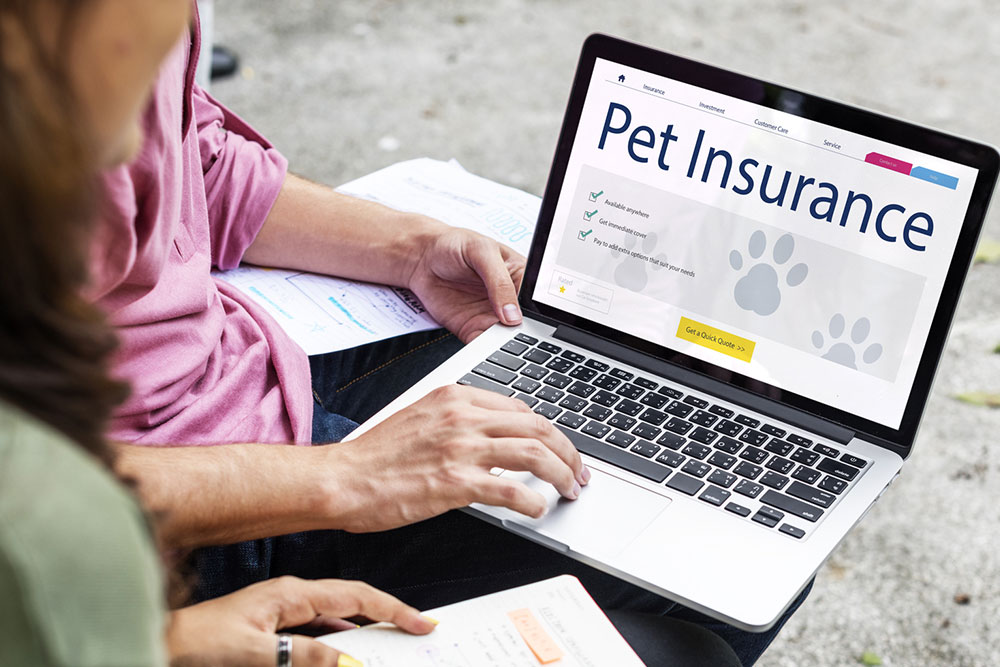
While pets can be fun, pet care can be a huge responsibility. One has to go to great lengths to ensure their pets are happy, well-fed, and healthy. Further, unexpected medical expenses are a key aspect of pet care. Here, getting a healthcare policy for a pet can help reduce any financial risks associated with veterinary care. To help one get the best coverage, here are a few mistakes to avoid while buying pet insurance:
1. Buying insurance too late
Delaying getting the pet insured can turn out to be an expensive affair. As pets age, they are more at risk of developing health issues, leading to higher premiums. Additionally, some insurance providers may discriminate against pets with pre-existing conditions. This will lead to incomplete or minimal coverage offered by the provider or even total disqualification. To avoid these issues, buying an insurance policy for pets while they are still young is a better move.
2. Not seeking a second opinion
Getting insurance can feel like a personal affair, which is why one may not want to discuss it with a veterinarian. However, a consultation with the vet can help tailor the insurance plan to the pet’s current and expected future needs. This will ensure that one has all their bases covered without going overboard or paying for protection that most likely will not be required.
3. Choosing the wrong policy
Pet insurance plans can differ in coverage. There are three main types of coverage that pet parents can get:
Comprehensive coverage: These plans provide the maximum amount of coverage for pets, including accidents, chronic conditions, common illnesses, behavioral problems, dental care, diagnostic testing, prescriptions, and supplements. Comprehensive plans typically do not cover pre-existing conditions, conditions developing during the waiting period, breeding, pregnancy, deliberate injury caused by a family member, cosmetic procedures, cloning, grooming, or boarding.
Accident-only coverage: As the name suggests, these plans only cover accident-related treatment costs. They do not include coverage for illnesses. Common accidents covered under these plans include swallowing a foreign object or something toxic, laceration, heat stroke, breaking a bone, bee sting, or getting hit by a car. In addition to illnesses, accident-only coverage plans leave out breed-specific conditions, cancer, behavioral care, and routine checkups.
Wellness and health maintenance coverage: Wellness plans are generally sold as an add-on to the other two insurance plans. While such policies do not operate as a typical insurance tool, they reimburse a flat rate for routine vet visits and preventive care. They may cover wellness exams, titers, microchipping, parasite prevention, dental cleaning, deworming, fecal tests, and urinalysis. These plans are generally offered in tiers so one can choose the ideal plan for their pet’s needs.
4. Only considering premiums
A common mistake to avoid when buying pet insurance is only looking at premiums to finalize a policy. While affordability is a key factor, one must also consider other factors like scope of coverage and out-of-pocket expenses. A thorough evaluation can help one save money in the long run. With multiple companies offering pet insurance policies today to suit every budget, it is important to understand the coverage under each policy. Here, one should pay special attention to factors such as coverage limits, exclusions, waiting periods, and deductibles and choose the most appropriate policy for their pet.
5. Not reading the fine print
With any insurance policy, it is essential to read and understand all terms and conditions to avoid surprises. As discussed above, there are several tiers of pet insurance one could get. Additionally, the coverage differs significantly from provider to provider, with many plans declining coverage for pre-existing conditions, yearly exams, flea/tick/heartworm preventatives, spaying, neutering, breeding, chronic genetic conditions, congenital diseases, and cosmetic procedures like tail docking, ear cropping, and declawing.
The fine print here also contains crucial information about each step, from purchase to reimbursement. For instance, some companies may have an annual deductible, while others may have deductions per incident. Reimbursement rules may also differ across companies—some may offer a benefit schedule, while others may cover a direct percentage of the bill. Most insurance policies also allow pet owners to file an appeal if the claim is denied, increasing the likelihood of getting reimbursed. For more clarity here, one should talk to the insurance agent or the company representatives and get as much information as possible regarding the policy before signing up.
6. Failing to disclose pre-existing conditions
At the time of application, the insurance company may require the submission of a veterinary examination or a report of the pet’s medical history. One must be honest about the pet’s health history. This can help prevent legal complications in the future. Failing to disclose this information at the time of signing up could lead to claim denials or policy cancellations.
7. Considering insurance an investment tool
Some may think a pet insurance policy works like an investment or savings plan. This can result in making decisions based on the cost of premiums once the question, “What are the returns on this policy?” sneaks in. However, the biggest return pet insurance policies offer is peace of mind. They are meant to act as risk management strategies and cover unexpected medical costs, should one ever need them.
8. Forgetting about renewals
Buying a pet insurance policy does not bind one forever. Policies and plans change with time, affecting their coverage, premiums, and exclusions. So, one should review the insurance policy annually to ensure it offers appropriate coverage. If not, one should look up other insurance policies and providers and switch to one that suits their pet’s needs.
Before signing up for any policy, one should clearly understand what the plan offers. Further, avoiding these common pitfalls can help one get the best health coverage for their pets and minimize the burden of unexpected medical expenses.