8 mistakes people make on periods and how to avoid them
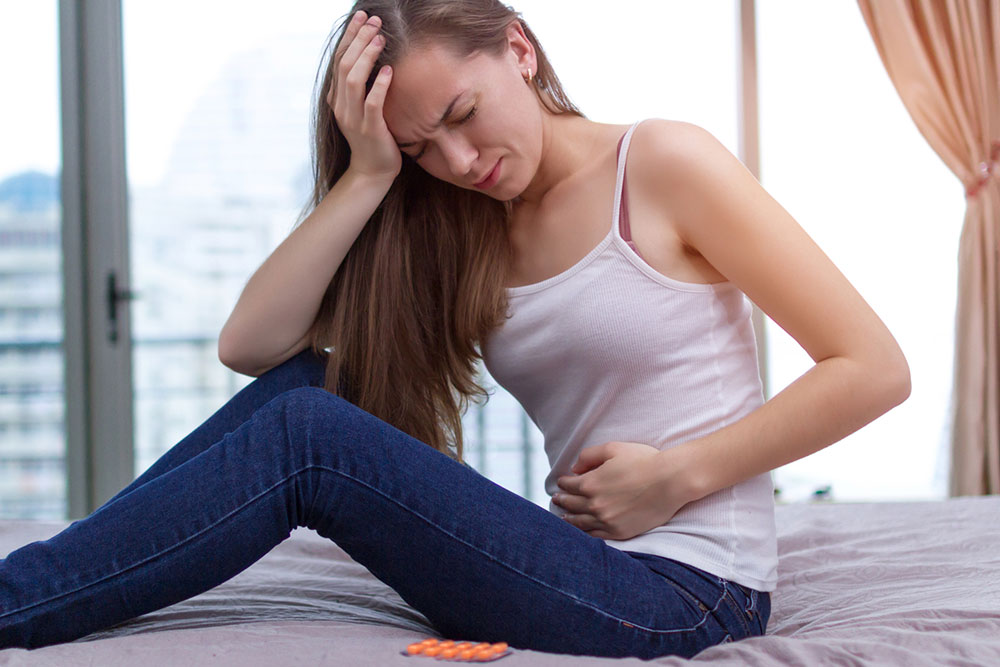
Menstrual cramps, pain, and discomfort are common in over 80 percent of people who menstruate in the country. Of course, a heat bag, plenty of rest, and some self-love and care usually do the trick for the most part. But one also needs to follow some basic hygiene and lifestyle tips to better manage these excruciating symptoms. So, here are some common mistakes menstruating persons make and how to avoid them:
Using scented tampons and pads
Body odor is quite common during periods, and a seemingly effective hack to get rid of this odor is using scented tampons and pads. However, these products can cause a lot of irritation and trigger rashes and itching. Also, they tend to change the vagina’s natural pH balance, which leads to problems like bacterial vaginosis and yeast infections. So, it is best to avoid using these products and stick to the conventional ones.
Not having enough water
It’s important to stay hydrated on any day, but it is particularly necessary during periods because the body loses a lot of fluid during this time. Water is an absolute must for different bodily functions, from supplying nutrients and oxygen to cells to regulating digestion and body temperature. If these other functions slow down during periods, the period symptoms tend to worsen. For this reason, one should always have a bottle of water handy during periods, sipping on water every hour and setting reminders if needed. It is also good to have fresh fruits, fruit juices, smoothies, soups, etc. throughout the day.
Not sleeping adequately
The body has a hormone called melatonin, which monitors one’s sleep schedule. Lack of sleep plays havoc with the body’s melatonin levels, so it can severely affect menstrual symptoms. On the other hand, many people experience disturbed sleep during their periods. In such cases, one should follow certain basic hacks to ensure proper sleep, such as sleeping in a dark room, putting away gadgets well before bedtime, and buying a comfortable mattress.
Changing pads and tampons erratically
Pads and tampons are breeding grounds for bacteria and germs. Eventually, they can trigger vaginal and bacterial infections, and they also cause an unpleasant odor. Even if the menstrual flow is less, one should change pads and tampons frequently to avoid such issues. Generally, those experiencing moderate or light flow should change their pads and tampons once every three to four hours, while those with heavy flow may have to change them more frequently.
Gorging on unhealthy food
Many people who menstruate experience cravings for processed and fast foods while on their periods. While this may seem tempting, these foods are high in sodium, trans fats, and preservatives and are usually deep-fried. As a result, they can cause hormonal imbalances and majorly affect the menstrual cycle. Moreover, progesterone levels in the body usually shoot up just before one’s period begins, which can slow down digestion, resulting in constipation. And consuming such unhealthy foods can exert extra pressure on the digestive system when one is menstruating. Therefore, foods high in healthy carbs, proteins, fats, and insoluble fiber, like bran, whole grains, nuts, nut butter, eggs, lean meats, yogurt, fresh fruits, and vegetables like beans, leafy green vegetables, and potatoes, are one’s best bets during this time because these foods provide the body with the required nutrient and speed up the passage of food in the digestive tract and prevent constipation.
Not being hygienic
Following basic hygiene is a must at all times, particularly during periods. Most people wash their hands after changing pads or tampons, but they often forget to do it before. This practice is important because one’s hands may have bacteria and germs, which should not come in contact with the vagina. Also, the labia and the area outside the vagina should be washed every day, and the genital area should be wiped from the front to the back. Soap should never be used to clean the vagina – one should clean it only with water.
Forgetting to track the menstrual cycle
Many people believe that tracking one’s menstrual cycle is important only when trying to get pregnant. On the contrary, keeping track of one’s cycle is a good practice at all times because it helps diagnose different health conditions, including polycystic ovary syndrome, and helps one understand one’s hormonal changes and moods better. Many good period-tracking apps are available today, which help keep track of not only period dates but also overall mental and emotional states throughout the cycle.
Being sedentary
Abdominal pain and cramping is highly common during menstruation, so people usually avoid physical activity when they are on periods. But being sedentary can actually aggravate these symptoms, so it is best to stay as physically active as possible. High-intensity workouts may not be possible at such times, but one should go for lighter ones like walking, jogging, and moderate-intensity aerobics.
In addition to the points mentioned above, the ease of managing period symptoms also depends on the severity of the symptoms. So, if the symptoms persist severely despite taking these measures, it is best to consult a gynecologist to detect the underlying issue.