8 foods that may help prevent stomach cancer
Stomach cancer, also known as gastric cancer, is a type of cancer that originates in the cells lining the stomach. Gastric cancer can get fatal if it is not diagnosed and treated at an early stage, as the exact cause of stomach cancer remains inconclusive. While genetic factors, age, pre-existing stomach conditions, and infections contribute to its development, emerging research suggests that eating certain foods may contribute to a lower risk of stomach cancer.
Foods that may help prevent stomach cancer
Eating healthy and balanced meals can contribute to overall well-being and may help reduce the risk of stomach cancer. Here are some favorable foods:
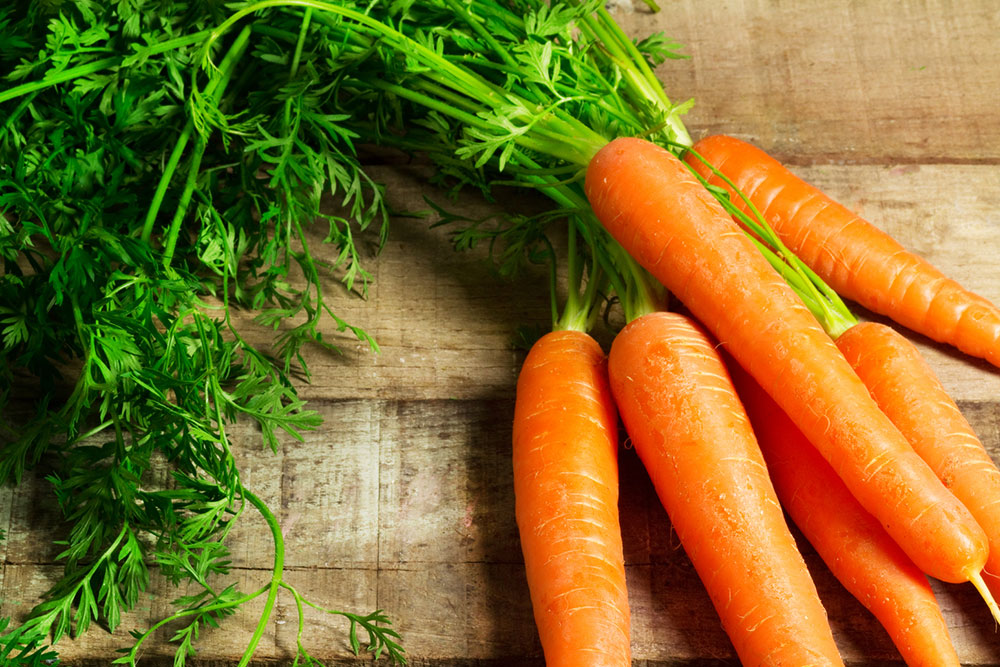
Carrots
Carrot is a commonly found root vegetable that stands out as a notable reservoir of beta-carotene, a protective plant pigment known for lowering the risk of stomach cancer. A recent study showed that eating carrots daily resulted in a remarkable 26% decrease in the risk of developing stomach cancer. This versatile vegetable can be eaten raw, with hummus, or added to several other dishes, like salads, wraps, soups, salads, and wraps. One carrot contains fewer than 30 calories but delivers approximately 200% of the daily recommended intake of vitamin A. People with the most vitamin A and retinol in their food intake had a 40% to 60% lower chance of getting stomach cancer compared to those who had the least.
Garlic
Allicin is a potent phytonutrient abundantly found in garlic, and it has been associated with the ability to combat cancer cells. A recent study compared half a million individuals who consumed a substantial quantity of allium vegetables, including garlic and onions, to those who rarely or never had them. The findings revealed that the vegetables significantly reduced the risk of gastric cancer in the former group. In the same study, leek, Chinese chive, scallion, and garlic stalk were also used, yielding similar positive results. To boost allicin intake, individuals can incorporate garlic into various food dishes, such as soups, sandwiches, stir-fries, and salad dressings, enhancing flavor and potential health benefits.
Olive oil
Olive oil, a vital ingredient of the Mediterranean culinary tradition, is associated with potential benefits in preventing stomach cancer. It is rich in antioxidants, notably polyphenols, believed to contribute to its protective effects. Antioxidants help neutralize free radicals in the body and reduce chronic inflammation. In addition, olive oil is a source of monounsaturated fats, considered heart-healthy fats, providing added health benefits. Olive oil can be used in homemade salad dressings or as a base for cooking other meals.
Broccoli
Broccoli is also an ally in preventing or managing stomach cancer. This cruciferous vegetable is a rich source of quercetin, a flavonoid with antioxidant properties. Quercetin has been studied for its potential to combat cancer by inhibiting the growth of cancer cells and maintaining overall health.
Turmeric
Turmeric is a traditional spice that contains curcumin, a chemical renowned for its potent anti-cancer properties. Studies suggest that curcumin may trigger a mechanism in cancer cells that leads to their self-destruction. So, incorporating turmeric may offer potential benefits in preventing and managing stomach cancer.
Spinach and almonds
Both of these are rich in vitamin E, which is a powerful antioxidant that can play a role in protecting cells from damage caused by cancer. Including spinach in one meal and eating almonds as a snack can provide a nutritional boost and support overall stomach health.
B12-rich foods
Increased consumption of vitamin E through food is linked to a reduced likelihood of developing stomach cancer. Vitamin B12 is essential for producing red blood cells and maintaining a healthy nervous and digestive system. Deficiency in B12 can lead to anemia. During stomach cancer surgeries, patients often receive a boost of B12, either orally or otherwise, to prevent anemia and support their overall well-being. Some foods rich in B12 include a variety of fish like clams, tuna, sardines, nutritional yeast, and fortified cereals.
Whole grains
Consuming whole grains, such as brown rice, quinoa, and whole wheat, has various health benefits. These grains are rich in fiber, vitamins, minerals, and antioxidants, collectively contributing to digestive health and bolstering the body’s defense against cancerous developments. Scientific evidence supports the protective effects of whole grains with the reduced risk of stomach cancer.
Causes
While specific foods have not been proven to cause stomach cancer directly, certain foods and habits may contribute to an increased risk. It’s important to note that stomach cancer is a complex disease influenced by various factors, and food is just one aspect. Some common unhealthy influences include highly salty foods, pickled vegetables, and processed and red meat like sausages and bacon. Frying or grilling food in high temperatures can also produce certain compounds that might contribute to cancer risk. Similarly, inadequate fiber intake and vitamin C deficiency, which help maintain healthy immunity and protect against cancerous cell development, can also be food-related risks.
The foods mentioned above are part of an overall healthy lifestyle. Suppose one has concerns about the risk for stomach cancer or is experiencing symptoms such as persistent abdominal pain or digestive issues. Consulting with a healthcare professional for personalized advice is essential in that case. Regular check-ups and screenings can help detect stomach cancer early when it is more treatable.