8 essential tips for successfully toilet training cats
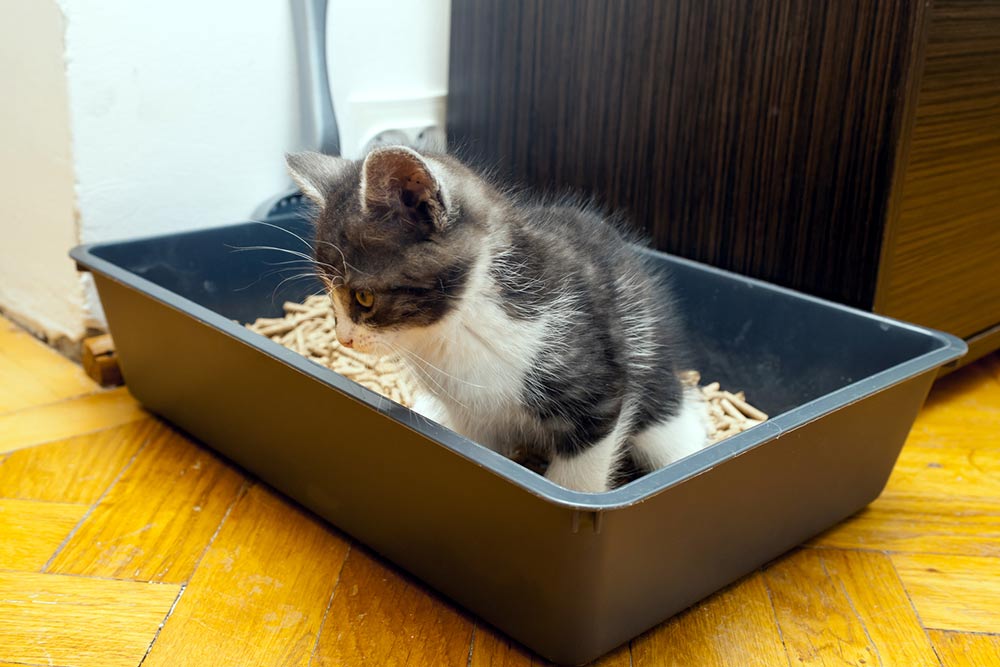
Cats are self-independent and relatively low-maintenance pets. Cats dig up a hole in the litter box and do their business. But cleaning an overflowing litter box and even the stink may be a hassle. Now imagine if one’s pet cat could politely use the toilet for excretion, and one simply had to flush later. Not only is this an ideal post-cleaning situation, but it’s also straightforward to train these feline friends.
Tips to toilet train a cat
Toilet training a cat is more elaborate than training other pets, like dogs. This is because cats, by nature, are hyper-independent. It may take patience, consistency, and understanding of the cat’s behavior and preferences to succeed. But by following these steps, one may find it relatively easy to toilet train the cat.
Use only one bathroom for training
While one may have multiple options, keeping only one designated area in the house where the feline can defecate is important. Just as the cat associates the litter box with elimination, it must learn to associate the toilet with the same purpose. To ensure convenience, one can choose the bathroom that’s the most easily accessible to the feline.
Get the right litter box
Litter box plays an essential role in toilet training cats. It should have sturdy walls that are not too high and should be large enough for the cat to find a comfortable spot. It should also be easy to climb.
Take the litter box into the bathroom
Once the place is finalized, one can shift the litter box into the designated bathroom. This is an important step that ensures that the cat gets comfortable in the bathroom’s interior and learns to associate the surroundings with the defecation process. One can allow the cat to get used to this new space for a few days before moving on to the next step. Since cats are self-learners, the pace of the training may vary from one cat parent to another.
Adjust the litter box height
This process ensures that the cat is not confused by the sudden shift in its litter box position. The height may initially seem intimidating to the feline, but one can gradually introduce steps or platforms to help them get comfortable with the position. One may need a ladder for this step. Alternatively, one can place phone books, magazines, or newspapers on the floor to gradually increase the height of the litter box.
Place the litter box onto the toilet seat
Once the cat climbs to reach its litter box without hesitation or balancing issues, one can place it on the toilet seat. One can keep the steps intact to ensure the cat is not overwhelmed with the height. Once the cat learns to jump onto the toilet seat with confidence and gets comfortable with the litter box height, one can move on to the next, most important step.
Get a training tray
The training tray is a specialized platform or device that fits securely over the toilet bowl. It has a hole or an indent in the middle, which can be expanded. One can fill up the tray with litter on the sides to give the cat a familiar feeling and gradually decrease the quantity of litter after each session. It’s important to approach this step carefully and slowly to avoid overwhelming the pet. One can buy a ready-made training tray or make one at home with a few items, including duct tape, plastic wrap, and an aluminum roasting pan or tray. Drilling a hole in the middle and gradually enlarging the hole can also help transition the cat from using the litter box to using the toilet.
Remove the training tray and go for the toilet seat
After a few weeks, one can take off the tray altogether and sprinkle some litter in the toilet bowl if the cat is hesitant to use the toilet. Eventually, the litter use can be stopped, which completes the transition to full toilet independence.
Reinforcing good habits
Cats often thrive in routine. Cats must receive appreciation and reinforcement for their good habits. This can translate to giving them a treat after using the toilet while training, petting, and showing love.
More tips for toilet training of a cat:
- Ensure the cat does not notice any drastic changes in its surroundings, which can often discourage them from cooperating.
- Spend time on each step to make the transition easier and proceed once the cat performs its actions instinctively.
- Ensure that the training tray and the steps leading up to the toilet seat are secured with duct tape and sturdy steps. If the platform disbalances the feline at any time, it may create a sense of aversion to using the bathroom. In addition, it may also force a cat parent to start the process all over again.
- Preparing for any setbacks related to toilet training one’s cat is also essential. These may include the unwillingness of the feline to cooperate at any step, with or without prior accidents or traumas. At times, it may indicate joint pain, especially in older cats. So, it’s important to be aware of the limitations of toilet training cats.