7 foods to avoid when dealing with lung cancer
Cancer is the mutation of healthy cells in the body. Lung cancer develops when the cells in the respiratory tract multiply rapidly, resulting in uncontrolled growth that destroys other healthy cells. Lung cancer is progressive in nature and has no cure. But nutrition plays an important role in the progression or remission of cancer, depending on the severity of the condition. Here are some foods to avoid and improve the outlook of living with cancer:
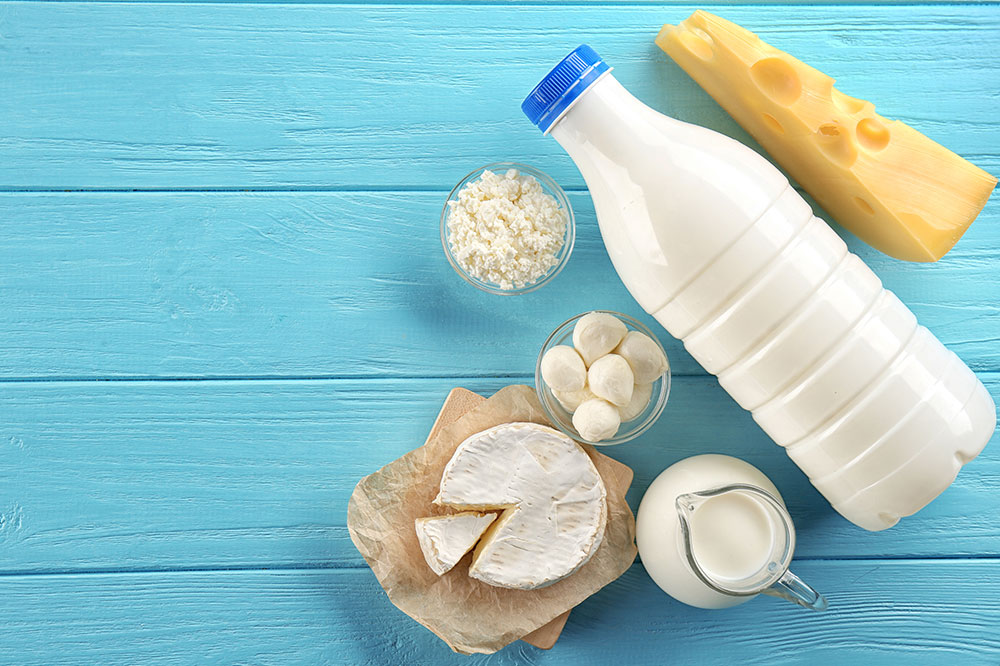
Dairy products
Cancer affects the immune system. While undergoing treatment for lung cancer, the body becomes vulnerable to viruses and bacterial infections that can trigger respiratory complications. This is why nutritionists recommend avoiding unpasteurized dairy products like soft cheese, raw unprocessed milk, and raw yogurt. The live bacteria in these foods and beverages can trigger an infection that is difficult to manage with lung cancer. So, when dealing with lung cancer, one should avoid raw and unprocessed dairy and look for plant-based milk alternatives.
Raw eggs
Eggs are a nutritious source of proteins and healthy omega-3 fatty acids. But raw eggs, especially the yolk, contain billions of live bacteria that the body will not be able to digest with a compromised immune system. Eggs are the primary source of salmonella bacteria that mimics contamination caused by unpasteurized dairy products. So, one should avoid raw egg whites or egg yolks used in hollandaise sauce, mayonnaise, or carbonara dressing. It is better to have hard-boiled, scrambled, or fried eggs. Also, one should avoid poached eggs, as although cooked, the poached egg here may still have a raw runny yolk.
Raw vegetables
Nutritionists recommend a good plant-based food plan to better manage lung cancer. But at the same time, it is also important not to choose raw vegetables or those cooked with the skin. For example, cruciferous vegetables like broccoli, cabbage, cauliflower, Bok choy, and Brussels sprouts contain excellent cancer-fighting compounds. Even leafy greens like kale, spinach, and romaine lettuce, are all excellent sources of B vitamins that boost anti-cancer properties. But these veggies, when lightly cooked or added raw to a salad, can increase the risk of bacterial infection. Dirt on the skin and rinds of these veggies is a big concern. Also, undercooking vegetables does not kill any bacteria that could increase the risk of complications linked to lung cancer.
Raw or undercooked meat
Cooking meat at an optimal temperature kills some of the bacteria and makes the meat tender, so it is easily digested by the body. However, red meats still harbor the largest concentration of bacteria, and that is why such cuts of meat should not be eaten raw. Undercooked meats can increase the risk of triggering food intolerances and foodborne illnesses that can make it difficult to manage lung cancer symptoms. So, one should avoid or limit eating red meat while undergoing treatment for cancer. One must also avoid raw seafood in the form of sushi, sashimi, or oysters, as infections from uncooked fish can interfere with the immune system function. Cold cuts and deli meats used in fast foods also trigger health issues when dealing with lung disease or cancer. These cuts contain concentrated amounts of nitrate, which, when eaten, are converted into nitrites that are considered harmful in large quantities.
Spicy foods
Foods that are spicy, tart, sour, or highly acidic in nature should be avoided when undergoing cancer treatment. The capsaicin found in spices, chilies, and herbs used to make tasty condiments and recipes can irritate the taste buds and cause oral sores inside the mouth. In addition, heavy radiation treatments and chemotherapy trigger nausea and vomiting. These side effects and symptoms make it difficult to tolerate spicy foods. One should also avoid beverages and fruit juices with an acidic or tarty base that can irritate the throat and increase the discomfort associated with lung cancer.
Fatty and processed foods
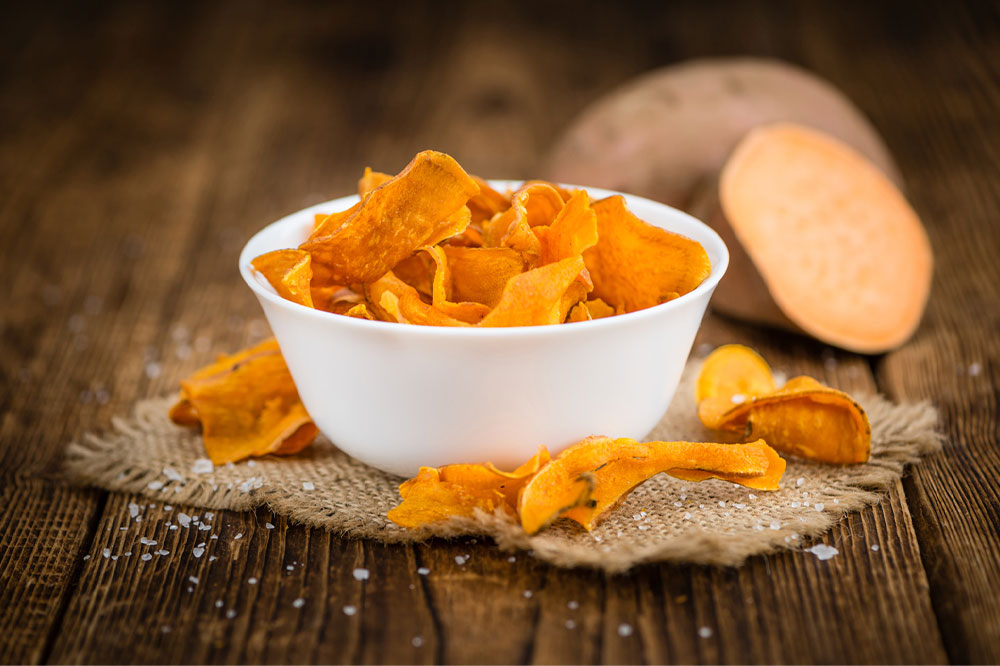
Store-bought packaged foods can contain a lot of additives, preservatives, and artificial coloring that should not be eaten regularly. Processed foods are also full of saturated and trans fats that increase cholesterol and elevate the risk of cardiovascular complications associated with cancer. Unhealthy fats also trigger bloating that puts pressure on the diaphragm, making it difficult to breathe. Regular intake of heavily processed and fatty food also leads to an unhealthy increase in body mass. In addition, processed foods contain a lot of sodium that forces the body to retain fluids resulting in shortness of breath. Chips, dips, fried foods, baked goods, and confectionaries should all be avoided when undergoing treatment to improve the outlook of living with cancer.
Caffeinated beverages
When undergoing cancer treatment, nutritionists recommend staying hydrated to maintain blood circulation and boost immunity. Dehydration can worsen the pain and discomfort associated with lung cancer as the body struggles to adapt to the new prescriptions and therapies to treat cancer. So, one should avoid coffee and caffeinated beverages that contribute to dehydration.
Tips for managing lung cancer
Apart from avoiding certain foods and beverages, choosing healthy eating habits and making a few lifestyle changes can also help one manage lung cancer:
Have smaller meals: One of the better ways to maintain a healthy body mass index and not worry about overeating is to split up meals. Eating smaller meals at regular intervals allows the body to process food quickly and does not put pressure on the digestive system.
Practice food safety: One should choose the right cooking techniques, maintain general hygiene, and ensure safe food handling to reduce the risk of foodborne diseases and infections. These practices will lower the risk of intolerances and allergies that trigger respiratory problems.
Get regular check-ups: One should get regular check-ups and discuss with the doctor all the changes they can make in daily nutrition.
The right food can aid in recovery and prevent health risks when undergoing treatment for lung cancer.