7 foods to avoid when dealing with diabetes

People diagnosed with diabetes may consistently take their prescription treatment on time but could still see their blood sugar levels rise. It is normal for blood levels to fluctuate throughout the day. If one is stressed out, has not been exercising properly, or is recovering from an infection or cold, their sugar levels could rise. Additionally, food is one of the key contributors to high blood sugar and plays a crucial role in managing diabetes.
Foods to avoid
The goal of a diabetes-friendly meal plan is to keep one’s blood sugar levels within a normal range and help maintain one’s cholesterol and blood pressure too. Recognizing the foods that can spike blood sugar levels is a prerequisite in planning a diabetes-friendly menu. As a part of treatment, doctors and nutritionists guide people with high blood sugar regarding foods to have and avoid. Until one gets familiar with ideal foods, one can put up a list in the kitchen and pantry to refer to it while meal-prepping and making grocery lists. Though some foods may be difficult to let go of, one can start by choosing healthier alternatives to satisfy cravings. So, here are the food items that one should avoid when dealing with type 1, type 2, gestational, and prediabetes:
Sugary beverages
One may carefully plan their meals to avoid excessive sugar, but just one soda or fruit juice can spike blood glucose. Sodas can contain more sugar than a typical meal at about 45 to 60 grams per can. They also have zero nutritional value and can instantly cause hyperglycemia. One should avoid packaged drinks like soda or carbonated beverages, sweet tea, iced coffee, slushies, and sports drinks. One should always carry water with them as it is the safest alternative and can help flush the sugar through urine and sweat. Alternatively, those with high blood sugar can develop a taste for herbal teas, unsweetened coffee, low-fat milk, or beverages made with plant-based milk alternatives.
Foods high in starch
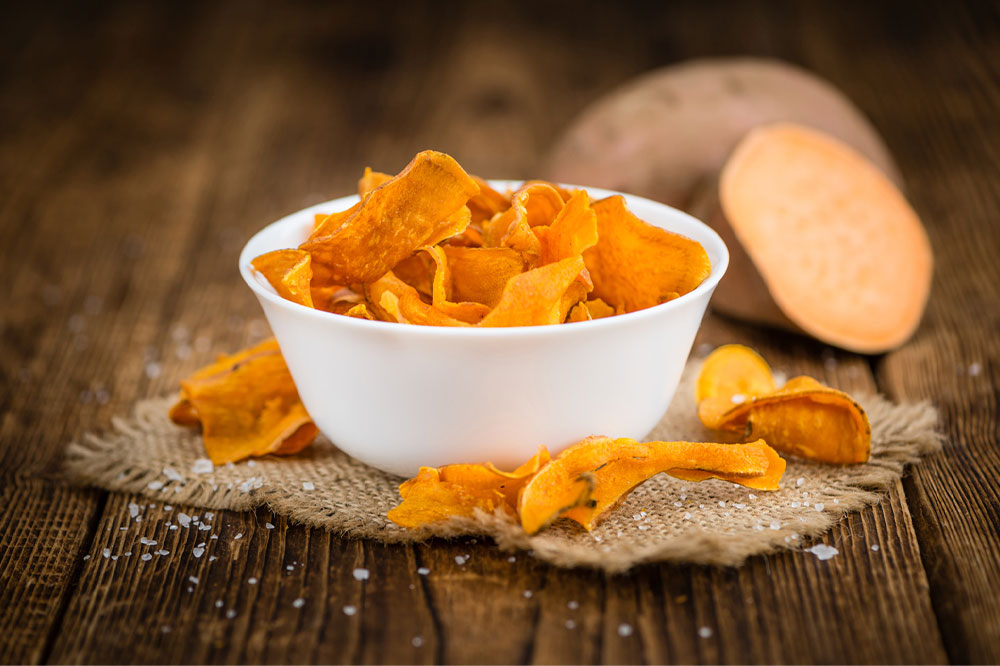
The glycemic index is a value that measures the increase in blood sugar for each food item. Foods may have low, medium, or high glycemic index (GI) values. Starchy food has GI as it results in a spike in blood sugar levels, and such foods break down faster, releasing glucose in the process. So people with high blood sugar should avoid high-starch foods like pasta, potatoes, white bread, white rice, corn, and french fries. One can opt for foods with resistant starch in limited quantities. Some alternatives are grains like oatmeal and quinoa, food prepared using whole grains, legumes, yams, and baked sweet potato fries.
Sugary desserts
Sugar cravings are typical in people with high blood sugar as they avoid sweets as much as possible. Doctors may allow a cheat meal with a small bite of a dessert only if one’s sugar levels have been normal for a month or more. But that cannot become an excuse for indulging in sweets, as they almost instantly spike sugar levels. While some may be able to control temptations and have smaller portions, it is more difficult for kids with high blood sugar to hold back. So, educating patients about the risks of hyperglycemia can help them understand the importance of staying from foods like candies, cakes, and cookies. One can instead choose certain fruits, no-sugar granola, trail mix, chia seed pudding, and unflavored frozen yogurt with fruit toppings, as these are healthier and safer dessert options.
Refined grains
The effect of refined grains on the risk of diabetes is debatable, but some data shows that refined grains cause a spike in blood sugar levels. They also have less nutritional value as the husk and germ of the grains are removed. So, one should opt for grains with high nutritional value and fiber instead of refined and processed grains like white flour. So, one can choose whole grains, brown rice, oats, buckwheat, barley, quinoa, and bulgur, which are rich in fiber, vitamins, and iron.
Fast food
Doctors generally advise against fast food as it has zero nutritional value and is high in calories. For people with diabetes, too much junk food can lead to higher BMI. Junk food also has hidden sugar, salt, processed carbohydrates, and synthetic additives to enhance its color and appearance. Each of these components adds to an increase in blood sugar and is a must-avoid for diabetes. To avoid fast food like French fries, hot dogs, and hamburgers, one should carry healthy snacks or fruit for a quick bite. Further, salad bowls, tacos with grilled meat, sandwiches with fresh vegetables, and fresh dips rather than condiments are great alternatives to limit one’s fast food intake. Also, fried food is a combination of high carbs and fat, making it one of the foods people with diabetes should avoid. Fried food is not digested quickly and keeps the blood sugar high for a long time. Instead, one can choose baked fries, grilled chicken, and vegetables.
Processed meat
Salting, curing, and fermenting are a few methods to process meat. In this process, sugar, salt, artificial preservatives, refined carbs, and trans fats are added to prevent rot and increase the product’s shelf life. As processed meat is one of the high-risk foods for diabetes, one should strictly avoid prime cuts like ribs, pork products, ground lamb, and processed meat products like hot dogs and sausages. These foods can be substituted by lean meat like chicken, turkey, sirloin, tenderloin, chipped beef, lean pork, venison, rabbit, goose, or duck without skin in moderate quantities.
A healthy meal plan combined with exercise is the best way to manage high blood sugar. While getting used to a diabetes-friendly nutritional regimen takes time, effort, and sacrifice, it gets easier with practice. The goal of making better food choices here is to prevent complications like hyperglycemia, heart disease, nerve damage, vision problems, and mental health issues. Two golden rules here are moderation and smaller portions. Family members and friends of people with diabetes can also participate and choose to avoid such food occasionally to show support.