6 ways to manage hemophilia
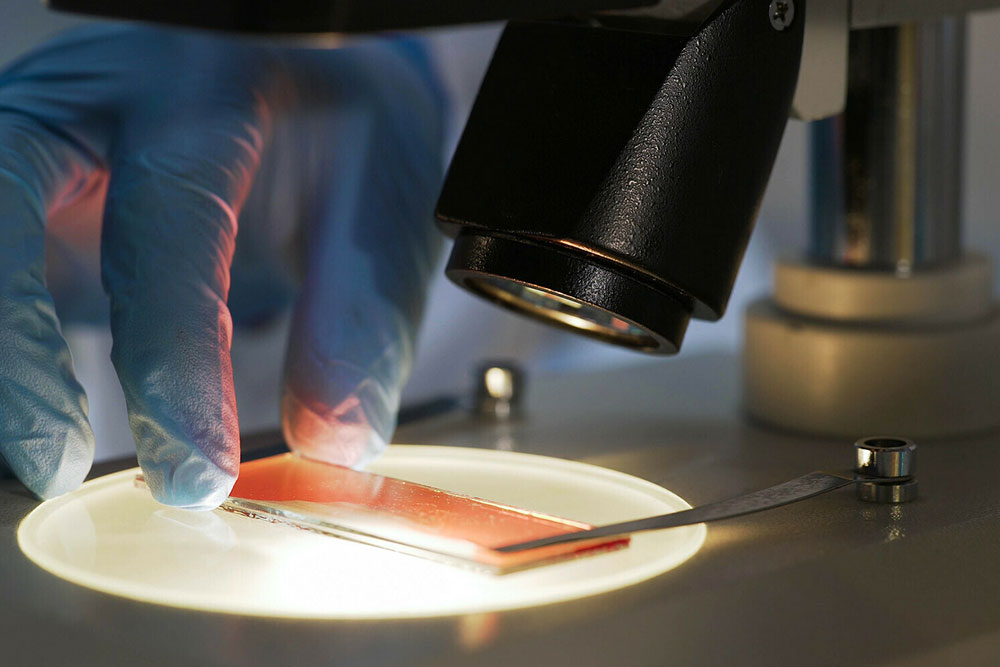
Hemophilia is a rare disorder where the blood does not clot in a typical manner because it lacks blood-clotting proteins. Someone with the condition might bleed for a longer time following an injury. While smaller cuts aren’t an issue, severe forms of the condition might be cause for concern because of the bleeding inside the body, especially in the knees, elbows, and ankles. However, there are various ways to manage the condition after consultation with a healthcare expert.
Ways to manage hemophilia
Get an annual comprehensive checkup done
One of the most important steps in managing hemophilia is setting regular healthcare appointments, including annual comprehensive checkups at a hemophilia treatment center (HTC). These centers in the country enable patients to receive all their hemophilia-related healthcare in one location. The team of doctors at HTCs may include a hematologist, an orthopedist, a pediatrician, a physical therapist, a nurse, a dentist, and a social worker. The team may work together to ensure the patient gets the best care when managing the blood disorder. One can use the CDC’s directory of HTCs to find one nearest to their location.
Treat bleeds early
Whether or not one is affected by hemophilia, one must have basic first aid handy. This could be used to address mild, everyday cuts. However, people with hemophilia or their caregivers and family members should know how to manage more severe bleeding that might occur. One could plan ahead for events that may put them at risk of bleeding. For example, if individuals with the disorder need to undergo a healthcare procedure, they should inform their doctor of their condition so that the professional is prepared to manage additional bleeding. Experts may also use a prescription on lesions or incisions to encourage clotting and help the wound heal. One could also reduce the chances of dental work required by taking adequate care of the teeth through regular brushing and flossing.
Indulge in regular exercise
There is an ongoing notion that hemophilia prevents patients from engaging in physical activity. It might not be possible to avoid injury from exercise, but with the right guidance, the benefits of physical routines usually outweigh the risks for people with hemophilia. Some studies show that joint disease is one of the biggest factors that may worsen the quality of life for people with hemophilia. Therefore, regular exercise may help strengthen the muscles, reducing the risk of spontaneous bleeding. An individual could play sports to build muscles and improve physical and cognitive insurance. However, if the person is affected by hemophilia, they must consider how severe their specific disease is and the sports that interest them. Sports like partial or full-contact sports such as soccer or football might be too risky for those affected by a severe form of hemophilia. Therefore, such patients might benefit more from sports such as swimming or tennis. However, one must consult with their healthcare professional before trying out any form of physical activity.
Speaking to a counselor
Hemophilia might be a condition an individual might have to manage throughout life. And this could take a toll on their mental well-being. This is why it is important for one to speak to a counselor or therapist to learn of ways to cope with mental health complications associated with hemophilia, such as stress and depression. A counselor may also be able to help strike the right balance between keeping the patient safe and encouraging as much activity as possible.
Getting regular tests for blood-borne infections
An individual who contracts a blood-borne infection such as HIV or hepatitis is at an even greater health risk and may experience more complications compared to those who are only affected by a blood disorder. Therefore, it is recommended that people with hemophilia should be aware of their exposure to such infections immediately in order to receive treatment and manage their condition more effectively. This early detection may also help avoid potential complications that could arise in the future due to their existing blood disorder.
Get adequate knowledge
Having adequate knowledge is crucial, especially when it comes to managing health complications such as hemophilia. Patients, caregivers, family, and friends should have a good understanding of the factors of the condition. This knowledge can help identify signs and symptoms early on, leading to an accurate diagnosis and timely treatment.
Management of hemophilia in children
Children are at a greater risk of cuts, bruises, and bumps because they usually play outdoors more often and are adventurous. However, this might be problematic for kids with hemophilia because even a tiny bump might be dangerous and lead to significant loss of blood. There are various steps that parents of children with hemophilia can take to reduce the child’s risk of getting severe bruises or cuts. Parents must:
- Make sure that the children always wear a helmet when riding a bicycle, skateboard, tricycle, scooter, or a similar vehicle. The child should also wear elbow and knee pads to be more protected.
- Fasten safety belts and straps in any furniture that the infant or toddler sits in, including car seats, strollers, and highchairs.
- See that furniture in the house does not have sharp edges or the corners are adequately padded.
- Examine all equipment on the playground for safety concerns. While playing outside and on the playground is a healthy way for children to develop strong motor skills, muscles, and thinking skills, there might sometimes be faults in these places that might put the child at risk of cuts or bruises, which could be detrimental for those with hemophilia.
- Keep popsicles in the freezer, as these could be helpful in case of minor bleeding in the mouth.
- Place a healthcare ID bracelet on the child so that first responders and others are aware of the condition.