6 simple tips to manage eczema
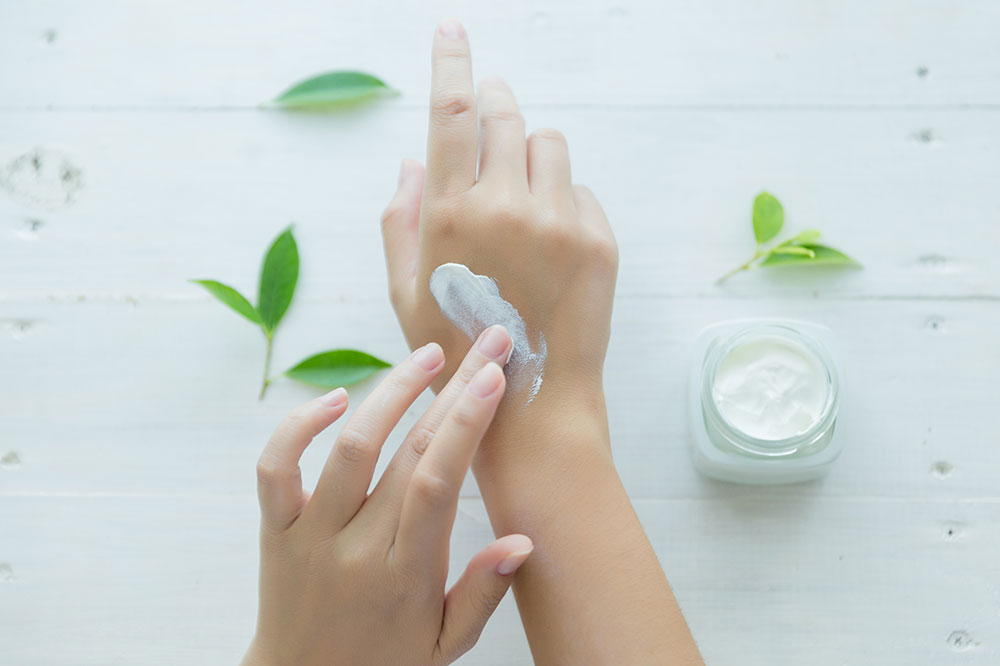
Eczema is a skin disease characterized by red, dry, and itchy skin patches. It is a form of dermatitis that interferes with the skin’s ability to retain moisture and protect itself from harmful environmental elements. Individuals who suffer from the disorder experience symptoms when exposed to specific triggers. Thankfully, one can manage the discomforts effectively with treatment and lifestyle changes. This post takes a closer look at eczema and its management options.
What exactly is eczema?
As mentioned, eczema is a type of dermatitis. Dermatitis is the name given to conditions that involve inflammation of the skin. Broadly the types of dermatitis include atopic dermatitis (eczema), contact dermatitis, dyshidrotic eczema, neurodermatitis, nummular eczema, and seborrheic dermatitis. All of these result in skin inflammation caused by type-specific triggers. And there is always an impairment of the skin’s barrier function. Sadly, it is possible to suffer from more than one type of dermatitis at a time.
In eczema, allergens trigger itchy, dry, and inflamed patches on the skin. It is more common in children but can begin at any age. And the condition is chronic, meaning it is long-lasting but tends to flare up and recede. It is an irritating ailment but not contagious. Further, eczema is said to be a hereditary skin disease since those whose parents have eczema are more likely to suffer from it themselves. Once diagnosed, the risk for hay fever, asthma, and food allergies also increases.
How to manage eczema?
Individuals can control their symptoms by using the right approach. Here are a few simple tips for better management:
Use the right treatment
After a confirmed diagnosis, the doctor may recommend one or a combination of treatments to relieve the symptoms, which should be used correctly and regularly for the best results. Since eczema exhibits dry, itchy skin, special creams are used to moisturize the skin and relieve itching. Other treatments may also be prescribed to help treat infections and control inflammation. However, in the long run, some of these might have adverse side effects, including thinning of the skin. Hence, it is necessary to supplement these treatments with simple home remedies and lifestyle changes.
Recognize and avoid triggers
Eczema can worsen when the patient is exposed to irritants or triggers. Thus, an excellent solution is identifying the allergens that aggravate the skin condition. One can maintain a journal to record the foods, weather conditions, and clothes that trigger allergic reactions. Once the allergen is identified, it must be avoided altogether. But sometimes, this is not practically possible, like in the case of cold weather. In such cases, taking precautions like moisturizing and using the right treatments can help reduce the symptoms and protect the skin.
Watch what you wear
Clothes are essential in managing eczema because they are closest to the skin. Patients should wear natural fabrics like cotton, bamboo, and silk. Unlike synthetic fibers like nylon and polyester, they allow the skin to breathe. Even among natural fibers, it is advisable to avoid wool since it is a potential skin irritant. Loose clothes are best since they do not pinch or rub the skin or make it itchy. Besides relaxed, comfortable outer styles, one should opt for sensible underwear too. Anything tight can put pressure on the skin and aggravate the discomfort. For washing clothes, experts recommend unscented and mild detergents. Moreover, patients should remove all tags and labels from their clothes before wearing and, if possible, cover seams in pants using strips of silk.
Take lukewarm-water baths
Taking a bath when suffering from skin disease is different. Lukewarm water is best as it allows the skin to absorb moisture. Both cold and hot water can act as irritants. One should avoid scrubbing the skin since it is usually sensitive in people with eczema. Another tip is to moisturize after baths. It should be done correctly since the moisturizer can evaporate. Experts recommend waiting at least five minutes after a shower to lock in the moisture. Finally, patients should keep their bath time short to not overly irritate the skin and use unscented soaps and bath gels since fragrances are likely to be irritants.
Do not scratch
Our hands are usually laden with fine dirt particles, and touching other body parts with dirty hands can lead to itchiness, increasing the urge to scratch. When people with eczema scratch their skin, the chances of bleeding are high. It creates complications in the form of other skin diseases or infections. Patients should keep their nails short and file them smooth to avoid worsening the inflammation. If one absolutely has to scratch, they should try to manage the urge by using their palm or the side of their hand instead of their nails. Wearing gloves when sleeping might help reduce inadvertent scratching. A bonus tip for managing eczema is to use creams or moisturizers after soaking the hands in warm water and then put on a pair of soft cotton gloves; it helps lock the moisture in the skin.
Relax
The most critical but underused tip to control eczema is to manage stress. Stress often precedes eczema-related flare-ups and can act as a trigger. Also, living with eczema is quite stressful. One’s physical appearance is altered, the rash and patches are unpredictable, and the itching is incessantly annoying. Therefore, it is essential to find ways to incorporate de-stressing into the daily routine. Be it a few minutes of meditation, a long walk, music, a dishing or ranting session with friends, or the company of a loved one, patients should show themselves some love each day.
While these tips and remedies might not provide instant results, they can help reduce flare-ups and make the discomforts more manageable in the long run.