6 signs of child neglect
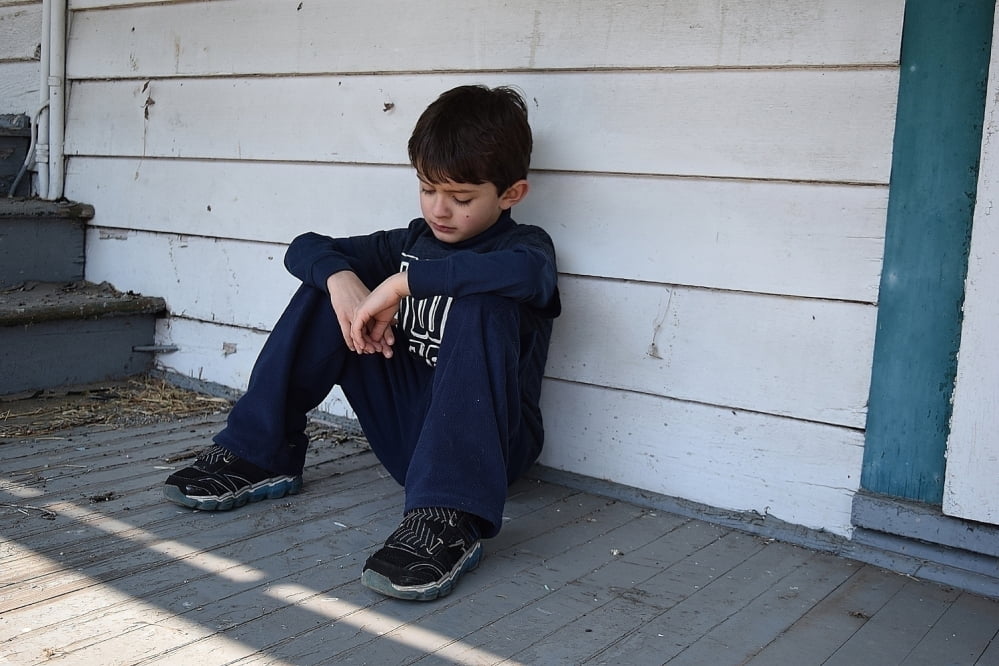
Child neglect is a form of maltreatment where a child’s basic needs, such as food, shelter, clothing, health care, and emotional support, are not met. This can develop due to various reasons, including inadequate resources and tools required for caregiving. While neglect is a complex issue, it can be identified through a few issues concerning the child’s behavior, health, and appearance. Recognizing these signs can help vulnerable children get the necessary protection and care.
Lack of hygiene
One of the most common signs of child neglect is inadequate personal care, manifesting as untidiness and poor hygiene, which could also affect the child’s health. Additionally, the signs of neglectful care can be seen in the type of clothes the child wears. For instance, the clothes may be unkempt, ill-fitting, or unsuitable for the weather. Another noticeable sign is persistently dirty clothes, which can increase the risk of skin infections, sores, rashes, scabies, ringworms, and flea bites. However, the signs of neglect in infants and toddlers may be different, manifesting as recurring diaper rashes. This occurs when the child is left in dirty diapers for long periods.
Behavioral changes
Changes in a child’s behavior can be a sign of neglect. For instance, the child may become clingy and extremely friendly with strangers. On the other hand, they may become withdrawn and prefer to be left on their own instead of socializing with peers. This change in behavior develops because persistent neglect can result in the development of antisocial traits. Due to this, some children may start showing signs of aggressiveness or become obsessive about their things and surroundings. Such behavioral changes can either be sudden or take a long time to develop.
Poor academic performance
Significant changes in a child’s academic and extracurricular performance can often be a sign of neglect. Poor school performance can be attributed to persistent distress associated with neglect, along with a lack of a curfew, routine, and parental supervision. All these factors make it difficult for the child to concentrate on classroom activities and attend school regularly. So, a poor attendance record may be observed, which can make the child lose track of what is happening in class, making it difficult to submit homework and assignments on time. This leads to a persistently poor performance, which can lead to feelings of dejection and embarrassment, making it difficult for the child to seek help with their academics.
Health concerns
Another common sign of child neglect is recurring health issues, which are usually accompanied by other signs on the list. Such health concerns can affect their school performance even further. Poor health here is often brought on by a lack of hygiene, along with inadequate nutrition and psychological distress often associated with neglect. This sign may manifest as weakness, low muscle tone, dental problems, poorly formed joints, and anemia in children. While weakness and fatigue can interfere with their ability to carry out important day-to-day tasks, poor immunity could also make them more susceptible to infections. Additionally, another concern here is unhealed or improperly healed injuries, which are often observed as a result of inadequate supervision at home. Further, irregular health check-ups or missed appointments are common signs of neglect that can worsen health issues and delay necessary medical care.
Issues with development
Developmental problems can often be a sign of neglect. This is because persistent neglect may interfere with the cognitive development of the child, affecting their ability to learn and solve problems as they grow. As a result, the child may experience issues in developing social, lingual, and physical skills that are considered normal for their age, making it difficult for them to interact with other children.
Housing and family issues
The living conditions of a neglected child often do not come to light until a social worker or child welfare organization is involved. Here, to see if the home is fit for a child, a visit is scheduled. The home could be unfit in various ways; for instance, there could be a lack of water, clothing, and power in the house. Not enough nutrient-rich food on hand or plenty of spoiled food at home may also be observed. Additionally, unregulated temperatures (like no heating during winter), poor plumbing, and unsanitary surroundings are common examples of poor housing conditions associated with neglect. Further, the child may have to care for an ill parent or siblings, resulting in insufficient care and attention for themselves.
Support measures
On recognizing and addressing one or more signs of child neglect, intervention may be required to provide necessary care and support for the child. Here, the following steps can help in seeking such intervention and preventing further neglect:
Reporting neglectful behavior: If there are any suspicions that a child is facing neglectful behavior at home, it is of utmost importance to seek help from the relevant authorities. One can report such suspicions and let professionals deal with the situation in the appropriate manner. Here, providing significant information can be a crucial step in improving the child’s life.
Prioritizing child’s safety: Before acting upon suspicions of child neglect, it is important to prioritize the safety of the child and keep them from being harmed any further. So, getting child welfare organizations and government authorities involved is the right course of action.
Speaking to the child: Upon noticing one or two signs of maltreatment, it is important to investigate if the child is indeed facing neglect or if their living conditions indicate neglectful behavior. Here, with the help of social workers, listening to the child and addressing their needs and concerns is a priority.