6 foods to avoid while managing neuropathy

Neuropathy, also called peripheral neuropathy, is not a single health condition. Rather, the term refers to various issues affecting the nerves outside the spinal cord and brain (peripheral nervous system) and their associated symptoms. Generally, the conditions can affect the hands and feet, causing tingling, pain, and numbness. Just like some of the other health conditions affecting the human body, neuropathy can be managed by making lifestyle modifications and meeting one’s nutritional requirements.
Managing neuropathy – 6 foods to avoid
On the one hand, some foods can help deal with the symptoms, while others are best avoided as they can aggravate the signs of neuropathy. So, to aid patients in the process, here are the foods to be avoided.
Pizza
Although fast foods are convenient, one must not ignore their effects on the body. Typically, pizza and other types of takeaway foods lack nutritional benefits. Moreover, in the case of pizza, the crust is a source of gluten, which can trigger nerve issues and pain in some patients.
Additionally, gluten can be found in seemingly unexpected sources such as soy. If neuropathy patients consume gluten-containing foods, chances are their bodies may not be able to digest them properly. Instead, it can aggravate issues like nerve inflammation. So, patients are suggested to read the labels carefully and opt for “gluten-free” choices.
Besides these, it’s considered best to avoid foods like crackers, white bread, and pasta for better management of neuropathy.
Candy
According to researchers, most adults eat approximately 7.5 pounds of candy every year. Even though these sugar-rich foods can make one feel good momentarily, regular intake can lead to chronic health issues such as heart disease, diabetes, and more.
Diabetic patients consuming foods with added sugars and artificial sweeteners can be more at risk of developing neuropathy, causing nerve damage in the hands and feet. Hence, healthcare professionals suggest patients cut out foods containing these ingredients. Alternatively, one can try consuming natural whole foods like fresh fruits and vegetables. Along with that, it’s advised to maintain daily activities to remain healthy.
White rice
Although white rice consumption can seem harmless, it is a type of refined grain that has a high glycemic index. This means it can increase blood sugar levels and lead to diabetes and neuropathy. In such cases, it’s considered best to take steps to control blood sugar to manage the symptoms associated with the condition.
One of the best ways to get this done is to replace refined grains with whole ones. So, one can include oatmeal, buckwheat, and quinoa in their meals whenever possible. If one is unsure about what food substitutes to eat, it’s recommended to consult a nutritionist for expert advice. The doctors can help with a listed chart that can benefit the patients to maintain optimum health.
Potato chips
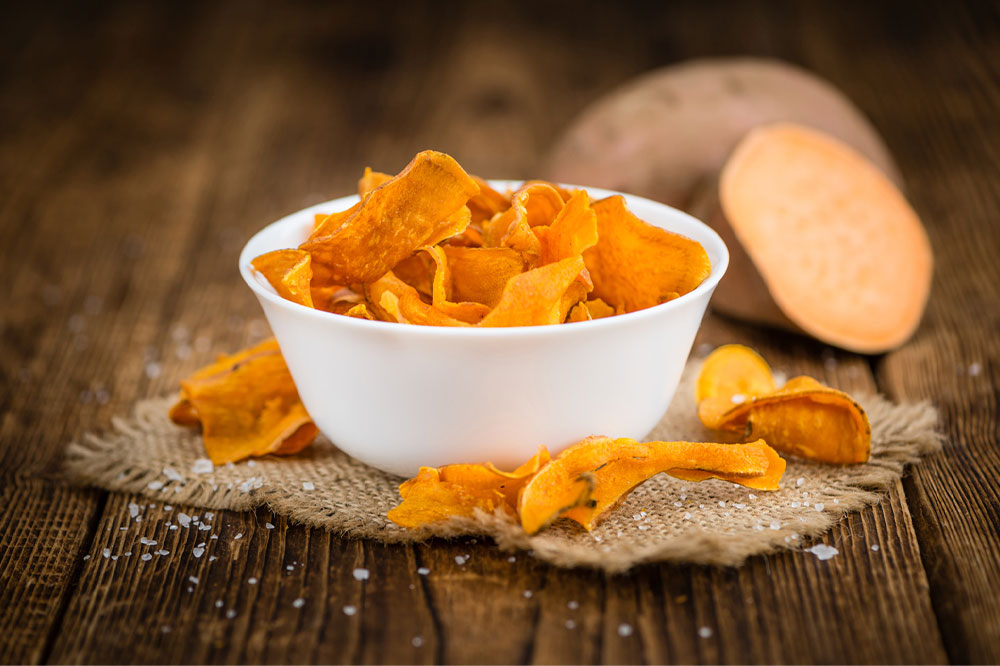
Snacks such as potato chips contain high levels of sodium. This can prove problematic for neuropathy patients as high sodium levels can cause restricted flow of blood. This can pave the way for flare-ups and cause the onset of symptoms such as numbness and tingling.
Therefore, doctors suggest steering clear of foods that contain high levels of sodium. This includes potato chips, sandwiches, processed cheese, salami, and more. Additionally, one is advised to keep away from canned and processed foods. Alternatively, one can opt for fresh, all-natural, healthier snacks and food options like apples, blueberries, and bananas.
Cheese
A most-loved dairy product often used in many foods, cheese is a source of saturated fats that can trigger inflammation and increase the risk of type 2 diabetes and heart diseases. These health issues can lead to significant nerve damage and even worsen nerve pain. Some of the other sources of saturated fats include lamb, beef, pork, butter, whole milk, among others. To manage or lower the risk of neuropathy, it’s suggested that patients consume foods low in saturated fat, such as sardines, salmon, walnuts, and kidney beans.
Coffee
The main ingredient found in this beloved beverage is caffeine. While moderate caffeine intake, can boost energy levels, it can also adversely affect the body. This means that regularly consuming high amounts of caffeine can lead to the narrowing of blood vessels, especially those near the brain. This irritation can trigger symptoms, and may even worsen them, leading to an increase in nerve pain.
Therefore, it’s considered best to avoid coffee and other caffeinated beverages like tea and hot cocoa completely. It one’s unable to avoid, patients can start by limiting their caffeine intake throughout the day and instead opt for healthy options such as tart cherry juice for at least two weeks to notice improvements.
Further, it’s important to note that peripheral neuropathy can have different types of symptoms. This means the symptoms can differ depending on the nerves affected. For some, it can affect a single nerve; for others, neuropathy can impact either a group of related nerves or multiple nerves situated in different body parts. Therefore, the symptoms of neuropathy can be divided into three categories:
- Motor
Paralysis, muscle weakness, muscle movements (uncontrolled), and muscle atrophy - Sensory and pain
Numbness, tingling, pain, imbalance, and clumsiness - Autonomic
Changes in blood pressure, profuse or inadequate sweating, bladder and bowel-related issues, and blurred vision
Finally, in addition to avoiding the above-mentioned foods for managing neuropathy, one can opt for treatment for the health issue. Some treatment alternatives that can be considered by healthcare professionals post-diagnosis are physical therapy, acupuncture, surgery, and the usage of support devices like canes, walkers, braces, and more. However, treatment of peripheral neuropathy can differ depending upon the cause. So, if any symptoms are noticed, one must seek immediate expert attention.