6 foods that can trigger epilepsy symptoms
Epilepsy is a disorder that causes disturbances in nerve cell activity in the brain, leading to the occurrence of seizures. There are various types of epilepsy, and the causes for some are unknown. The treatment and management of this condition involves a holistic approach, and nutrition plays a crucial role in it. Food choices are critical when managing the condition, so it is essential to be aware of ingredients or types of foods that may trigger epilepsy symptoms.
Citrus fruits
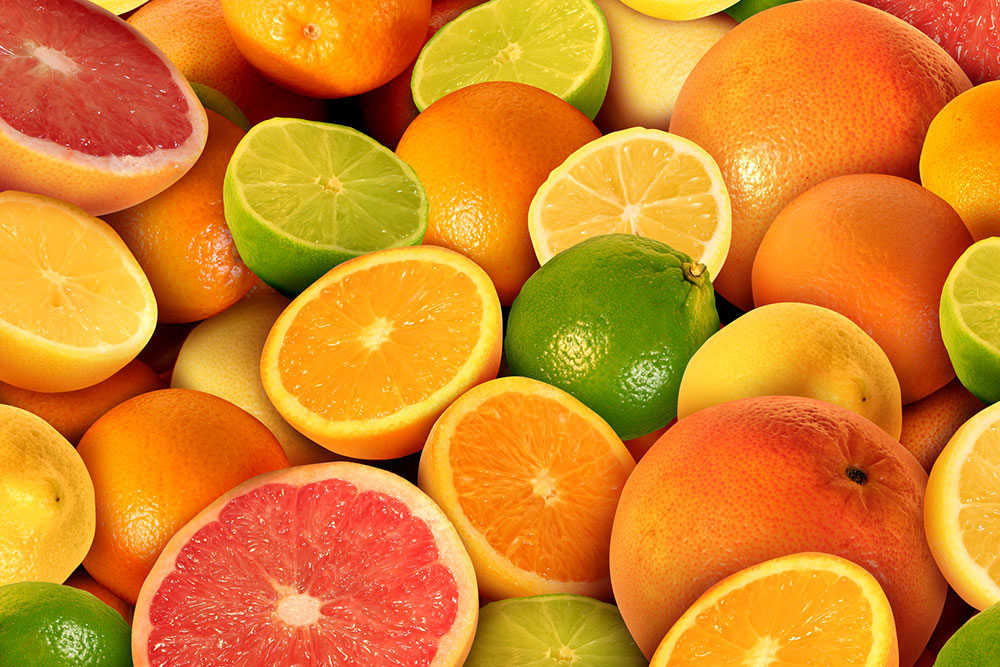
One must be mindful of citrus fruits, such as oranges, pomegranates, grape juice, fruit lime, and similar fruits. While these fruits may have numerous benefits, they can potentially interfere with the treatment program and trigger symptoms of the condition. In particular, grapefruit and oranges are known to act as catalysts for the side effects caused by the treatment methods for epilepsy. Research suggests that the enzymes found in these fruits help break down the epilepsy treatment products in the body, making them less effective in treating the condition. If the treatment is unable to show results, it can leave the patient more vulnerable to frequent seizures and other associated symptoms. Speaking to a doctor to understand which foods should or should not be included in the meal plan is an important step to take during epilepsy treatment.
Gluten
Some grains, like wheat, contain gluten, which can cause allergic reactions in some individuals. While gluten allergy does not specifically trigger epilepsy symptoms, there have been studies that suggest a strong connection between the two conditions. Research indicates that people with celiac disease, an autoimmune disease that is triggered by gluten intake, are more likely to develop epilepsy in their lifetime. Furthermore, a gluten-free nutritional plan has shown to be effective in reducing the frequency of seizures in certain patients compared to those who are eating gluten regularly.
Additionally, since the cause of the seizures is not clear, there is speculation that a connection exists between celiac disease, an autoimmune disorder, and epilepsy. The immune-induced cortical damage in the body and the vitamin deficiency caused by celiac disease may lead to the development of the condition.
Food additives
The evidence regarding the amount of damage caused by food additives remains inconclusive. However, some studies indicate that certain food preservatives and even food colorings may contribute to the deterioration of the health of an individual with epilepsy. One such infamous ingredient is MSG or monosodium glutamate, which is considered unhealthy and harmful to the body when used in food preparation in large amounts. This can lead to the triggering of symptoms and the development of other health complications, which may worsen the epilepsy condition. It is always recommended to choose healthy food options and speak to a nutritionist who can help chalk out a balanced meal plan for specific needs. Instead of adding or removing food ingredients independently, it is best to discuss with the nutritionist the repercussions of changing the meal plan.
Caffeine
Caffeine, in any form, is a commonly used natural ingredient in daily life. Although limited caffeine intake in a day is not healthy, the quantity is important in determining whether it is healthy or unhealthy. Studies remain inconclusive in caffeine’s connection to the triggering of epilepsy symptoms. However, some studies suggest that excessive intake of caffeine may increase the risk of susceptibility to seizures.
It is also important to note that caffeine is not only found in coffee or tea but also in many other cold, fizzy drinks that are consumed without much thought. It is always advised to check the label before buying anything and consuming its contents. Since nutrition plays a significant role in the management of epilepsy, it is essential to take precautionary steps to maintain a healthy mind and body and to avoid triggering seizures. Additionally, caffeine is a stimulant, especially when consumed in the morning. Therefore, consult a doctor to regulate the amount of coffee and tea intake in a day and to beware of other beverages that contain caffeine in high quantities.
Bananas
Bananas are a great source of potassium. They are known for their nutritional value, especially in helping to balance the levels of sodium and potassium in the body. These two minerals play an important role in keeping the electrical signals in the brain in check. When there is an imbalance in the sodium and potassium levels, it can trigger seizures in people suffering from epilepsy. However, since bananas are high in potassium, they should be consumed with caution. High potassium levels in the body can trigger symptoms of the condition and lead to complications in management and recovery. Therefore, it is important to consult a doctor to understand what is a safe number of bananas to consume daily.
Baked products
Most baked goods are made with refined flour that contains gluten. As discussed, gluten can be a major trigger in epilepsy, so always try to avoid baked products made from refined flour. Products like pastries, cakes, cookies, and bread are also known to be high in trans fats, which can increase cholesterol levels and lead to heart diseases like cardiac arrhythmia. This can also develop seizures-like symptoms known as convulsive syncope. Therefore, it’s crucial to avoid them to maintain a healthy and symptom-free life.