6 Foods That Can Surprisingly Spike Blood Sugar
Certain foods cause blood glucose levels to rise quickly. When that happens, the pancreas releases insulin to absorb the excess glucose and normalize their levels again. However, in type 1 and type 2 diabetes, the body cannot produce sufficient insulin, leading to continuous high blood sugar and other health concerns. Type 2 diabetes is more common and can be managed better by avoiding certain foods and making a few lifestyle changes.
Foods that surprisingly increase blood sugar levels
The following are a few everyday foods that might spike blood sugar and should hence be avoided:
Fruits
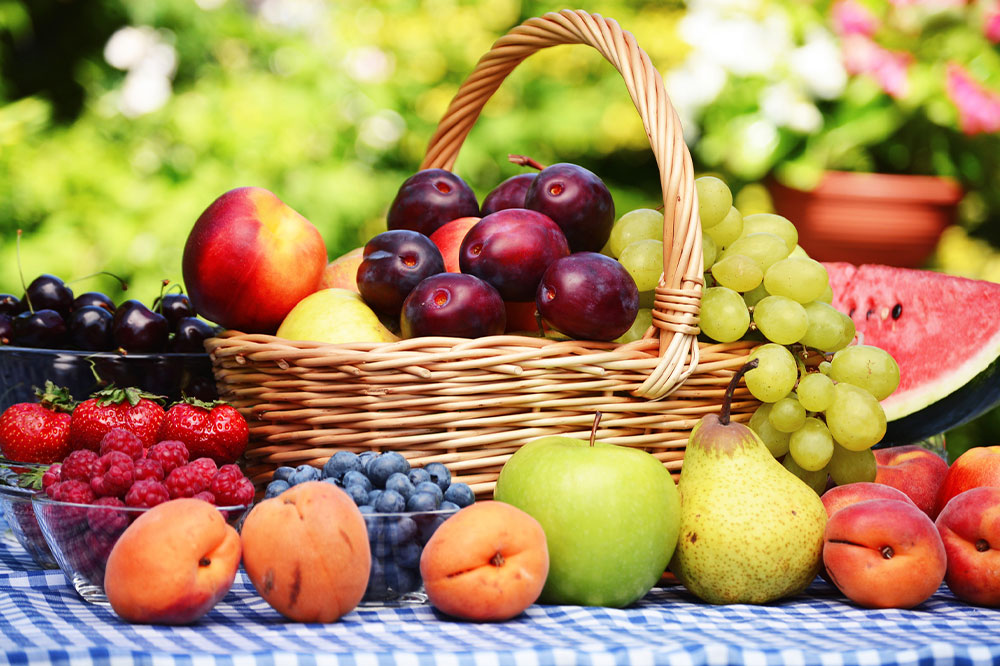
Studies show that fruits can spike blood sugar levels, especially those with a high glycemic index (GI). A few examples are pineapple, watermelon, mango, lychee, and banana. These fruits are rich in vitamins, minerals, and antioxidants but also have a lot of natural sugar, so people with type 2 diabetes should avoid binging on them. Instead, one can choose fruits with low GI scores, like apples, grapefruit, berries, and oranges. Again, it is best to have them in moderation.
Starchy vegetables
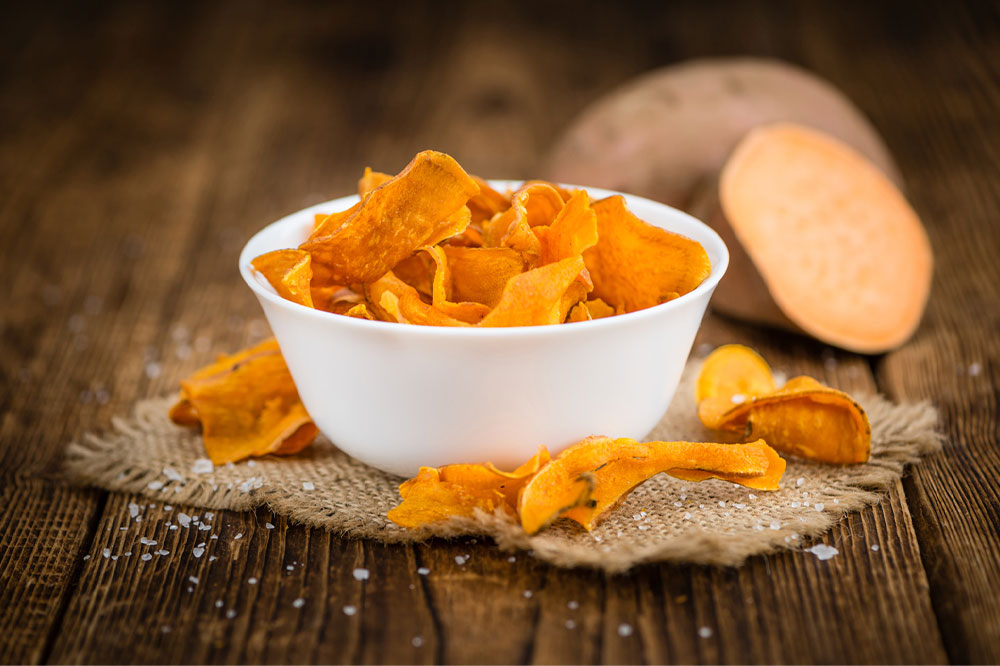
White or sweet potatoes, corn, green peas, turnips, corn, and beets are some starchy veggies high in carbs that may destabilize a person’s blood sugar. Instead, one can opt for green leafy vegetables, broccoli, cauliflower, cabbage, and lettuce.
Low-fat yogurt
Yogurt is nutritious and boosts digestive health, but most low-fat varieties are often sweetened for an added flavor. A cup of low-fat yogurt might have about 45 grams of sugar, which translates to 11 teaspoons! Sugar may have several other names, like sucrose, glucose, fruit nectar, corn syrup, crystalline fructose, and dextrose. So, before buying yogurt, it is best to read the ingredients list carefully to determine the amount of added sugar. Alternatively, one can buy yogurt without a fruit flavor and add freshly chopped fruits at home to control sugar intake.
Refined white grains
Foods made from refined white grains, like white bread, pasta, and rice, contain carbohydrates, which increase blood glucose. Moreover, these foods lose a significant amount of fiber content during processing. Since fiber takes more time to digest, it helps regulate bowel movements and slows digestion. As a result, one feels full longer after eating fiber-rich foods. This, in turn, helps control hunger and avoid overeating. Instead of white grains, one can opt for fiber-retaining foods like oats, whole-wheat pasta or bread, brown or red rice, buckwheat, quinoa, and hulled barley. Diabetics may also experience muscle loss. So, patients can pair these cooked whole grains with protein-rich sources like lean meat, chicken breast, and vegetables.
Sauces
Barbecue sauce, spaghetti sauce, and ketchup are everyday food items loaded with sugar. As spaghetti sauce is derived from tomatoes, it also includes natural sugars in addition to added sugar. On the other hand, around 33% of barbecue sauce could be made entirely from sugar, while a tablespoon of ketchup may contain a teaspoon of sugar. So, it is advisable to be mindful of the quantity of these sauces one uses. The best solution is to avoid store-bought sauces and make these at home.
Fast food
Fried foods like potato fries, buns, donuts, and hamburgers are rich in processed carbs, fat, sugar, and salt and are high in calories. Moreover, they barely contain nutrients like fiber, vitamins, and minerals. As a result, these meals are easier and quicker to digest, which spikes blood glucose. If someone cannot help but grab food on the go, they should opt for healthier options like grilled chicken sandwiches, yogurt, or baked items.
Signs that indicate excess blood sugar
Here are some common symptoms of high blood sugar that should not be ignored:
Fatigue
If a person experiences constant tiredness or fatigue without major lifestyle changes, it may be a sign of high blood sugar levels. When the body cannot process or produce sufficient insulin, the sugar stays in the blood instead of getting to the cells and being used as fuel for energy.
Blurry vision and headaches
High glucose can swell the eye lenses with fluid, alter their shape, and affect their sharpness and focus. If one experiences blurry vision or headaches, they should get their sugar levels checked.
Slow wound healing
High blood glucose hampers circulation and causes nerve damage. So, one may find cuts, scrapes, bruises, and other wounds healing much slower. Diabetics must be more careful with wounds on the legs and feet, which are more vulnerable to infections due to poor blood circulation.
Feeling unnaturally thirsty
The kidneys can get stressed working overtime to filter and absorb the extra glucose. This may lead to one feeling dehydrated or unnaturally thirsty. The patient may also urinate more than usual.
Hand and feet numbness
Since increased blood sugar can cause nerve damage, one may feel tingling, numbness, or even pain in the hands or feet.
Swollen or bleeding gums
Diabetics may experience swollen or bleeding gums. The saliva already contains glucose, which feeds plaque-producing bacteria in the mouth. Eating foods with high sugar levels may further boost bacterial activity, leading to gum diseases, pus, ulcers, weakened gums, or even tooth loss. These conditions usually begin as mild redness or irritation in the gums.
Skin problems
Blisters, dryness, itching, or tiny bits of additional skin in the creases of one’s skin, such as the neck, hands, armpits, cheeks, or other places, are warning signs of many skin conditions. However, it is best to get one’s sugar levels checked by a healthcare professional when these skin abnormalities arise.
Type 2 diabetes is a chronic disease that can develop over time and gradually lead to other health complications like heart disease, blindness, or chronic kidney disease (CKD). CKD can be prevented by treating and managing diabetes in the first place. Regular blood sugar, diabetes, and CKD tests can ensure these conditions do not worsen. A healthcare professional, after assessment, may devise a suitable treatment plan that could include making healthy food choices and exercising regularly.