6 Best Times of the Day to Drink Water
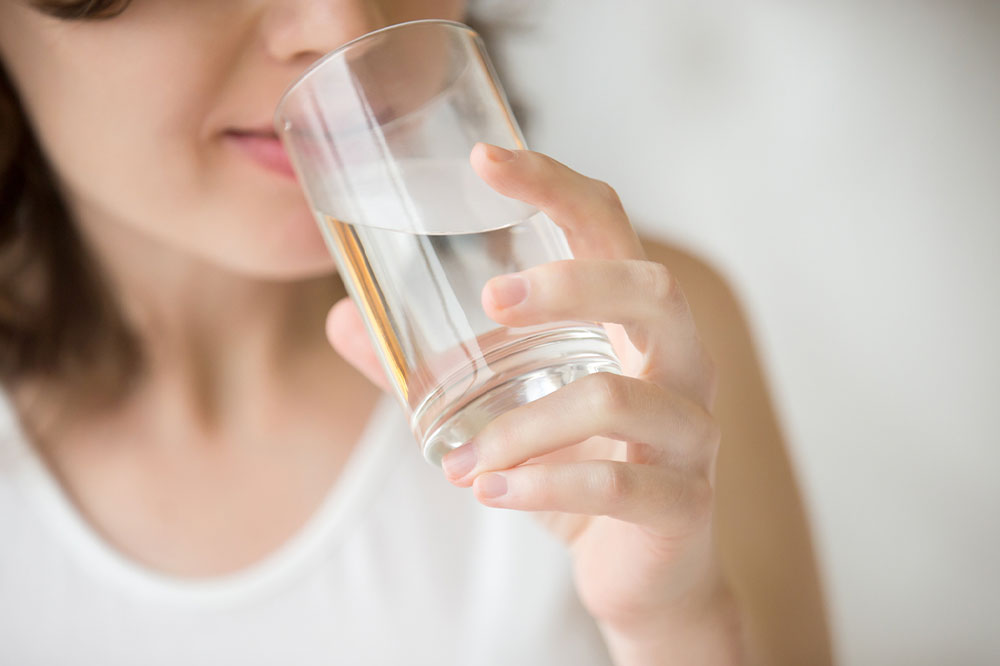
Research suggests that around 60% of the adult male body and 55% of the adult female body is made up of water. These figures indicate that water is an inextricable part of our internal system. As a result, experts recommend that men and women drink around 3.7 and 2.7 liters of fluids every day. However, drinking water during specific times of the day can facilitate much better immunity and overall well-being.
Immediately after waking up
The best time to drink water is immediately after getting out of bed in the morning. Research suggests that the body typically gets dehydrated after several hours of zero water intake. Thus, two cups of water first thing in the morning can help restore the body’s equilibrium. While other beverages like tea, coffee, and juice can also help with hydration, these are not substitutes for water and should be considered only after the preliminary water intake.
Before and after meals
Drinking a glass of water about half an hour before a meal can help break down food better and, therefore, aid digestion. It can also regulate hunger, preventing overeating. Similarly, drinking water after meals can help absorb nutrients from food better and soften the stools, preventing constipation and providing a much-needed boost for digestion.
Before, during, and after exercise
Water fuels the muscles and prepares them for high-intensity workouts. Hence, drinking about 17 to 20 ounces of water about three hours before a workout is good practice. Drinking some more water half an hour before exercise or during warm-up is also essential as it can help maintain body temperature and enhance performance. Further, research suggests that drinking water during workouts can help prevent muscle cramps, heat stress, and injuries and increase stamina. Since exercise results in considerable loss of fluids from the body due to sweating, drinking about eight ounces of water within half an hour after a workout session is essential for replenishing the body.
Before a caffeinated beverage
Tea and coffee are staple beverages in many people’s daily meal routines. While these caffeinated beverages enhance mood, energy, and alertness, their high pH levels increase susceptibility to acidity, dehydration, and stomach ulcers, especially if had on an empty stomach. Drinking a glass of water before these beverages can maintain hydration levels and alleviate the ill effects of caffeine.
Before a shower
Drinking a glass of water before a bath can cause the blood vessels to dilate, lowering blood pressure. It can also increase warmth in the body. However, experts recommend avoiding drinking cold water before a shower.
During spells of exhaustion
A lack of fluids in the body hampers oxygen flow to the brain and body organs, triggering or worsening exhaustion. Drinking water during such times can increase hydration and boost energy levels, helping one perform physical and mental activities with more strength and alertness.
Why is regular hydration important?
Drinking water and other healthy fluids has many advantages, some of which are discussed below:
For balancing fluids in the body
The human body requires fluids for various functions, including digestion, blood circulation, body temperature regulation, oxygen flow, and absorption of nutrients. Not drinking sufficient water can affect these functions, increasing the risk of various health conditions.
For hydrating the skin
Being the outer layer of the body, the skin is directly exposed to the external environment and its perils. It is highly susceptible to dryness, flakiness, and tanning due to a lack of moisture. Wrinkles, acne, and other breakouts on the skin are often the results of inflammation due to dehydration. Adequate water intake helps hydrate the skin and replenish it with the required moisture, enhancing skin texture and eliminating skin problems.
For proper bowel movements
Water helps break down food, improving digestion. A lower fluid intake can lead to bowel-related disorders like constipation, hard stools, and irregular bowel movements, affecting one’s quality of life.
For calorie control
Water can also help prevent overeating, ensuring calorie control. Moreover, foods rich in water content are typically absorbed more slowly by the body, increasing a person’s satiety levels.
For optimal kidney function
Blood urea nitrogen, one of the main toxins present in the body, is excreted by the kidneys. Drinking sufficient water can help the kidneys perform this task with ease, ridding the body of the harmful substance. On the other hand, a lack of water can cause health problems like kidney stones, particularly in tropical climates.
For proper brain functioning
Studies have shown that even mild dehydration can hamper brain functioning and worsen mood and concentration levels. Timely hydration helps improve oxygen and blood flow to the brain, which enhances cognitive function and overall mental well-being.
While drinking water regularly and at specific times is essential, the quality of the water matters. Clean water prevents water-borne diseases and facilitates overall health, while contaminated water can have the opposite effect. Thankfully, many bottled water companies provide access to safe drinking water. Icelandic Glacial™ is a popular example of a brand that provides sustainably sourced water. Its natural spring water is the world’s first CarbonNeutral® certified water. It has a natural pH of 8.4 and is available in BPA-free recycled plastic bottles, glasses, and boxes. This filtered water is available in bottle sizes ranging from 330 ml to 1.5 L. One can also avail of the 5 L refrigerator pack to adequately fulfill home and family needs.
Replacing water with sugary drinks and caffeinated beverages can trigger digestive issues and increase the consumption of empty calories. While plain water has no substitute, one can additionally consider adding fruits, fresh fruit juices, soups, and smoothies to their meal plan for more hydration and nutrition. However, it is best to consult a doctor before making any nutritional or lifestyle changes.