5 mistakes new hearing aid users should avoid
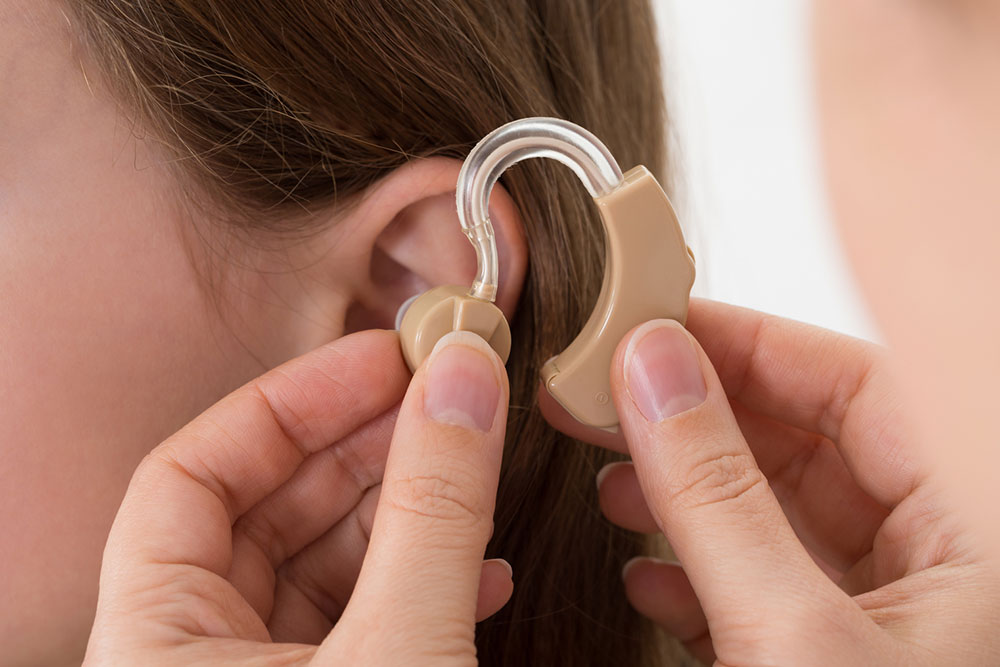
Hearing aids can be effective in improving quality of life as well as communication capabilities. However, it may take some time to get used to them. In addition to learning how to make the most of the tool, new hearing aid users may have to make several adjustments and avoid common mistakes to get the best results. So, here are some of the common blunders that first-time hearing aid users should avoid:
1. Not checking the instructions
A common mistake that many new owners of hearing aids make is using the device straight out of the box without learning how to use it. Here, it is important to take some time to go through all the basics to learn how the aids work and use key features that increase ease of use. But if one just switches it on and starts wearing the hearing aids, they might not be able to utilize the device completely. For instance, one may miss out on some of the handy features, such as noise filters and Bluetooth connectivity. So, it is important that one reads the manual first and figure out the best ways to improve sound quality. In addition, one can experiment with the device settings to find the best way to improve the sound.
2. Being impatient
Hearing aids can be like spectacles in that the eyes may take a while to get used to the new tool. So, the ears may adjust to the hearing aids over time. Many first-time hearing aid owners can assume that they will be able to immediately reap the benefits of the device. However, there is an adjustment period to consider. Using such tools for the very first time can be a massive change for the ears. So, first, one may have to consistently wear them to get used to the feeling of a device in their year. Here, one has to work toward resisting the urge to take them out often. However, for the first few days, one can start by wearing them for just a few hours at a time.
Additionally, one should experiment with the settings while giving each adjustment some time before switching to a new one. For instance, one should check if the sound is too loud or too low, which could be a reason for the discomfort. Accordingly, one can adjust the volume. Alternatively, the background noise can be too overwhelming or completely absent. One way to manage this is to wear the aids in a quiet place and ask a friend or family to initiate a conversation. Based on how one is able to hear the different sounds, adjustments can be made to the device settings. If the aids are still causing discomfort, one can consider taking a break and trying again to determine the key issue.
3. Not asking for necessary adjustments
It is important that one provides audiologists with honest feedback when they are getting their hearing aids fitted. A common mistake here would be not communicating problems with the audiologist during the hearing test. In this case, one may receive aids that do not address the issues as per the type or extent of hearing loss. For instance, certain hearing aids are designed to pick up high-frequency sounds and may not work for those with hearing loss that disrupts their ability to hear low or mid-range tones. Alternatively, one may choose the wrong type of device. For instance, behind-the-ear (BTE) hearing aids can address severe hearing loss as they are stronger devices, whereas the aids that go inside the ear work for mild-to-moderate hearing loss. One way to avoid this mistake is to state features that one wishes to have in their hearing aid when they are still using the devices during a trial period. Once the trial period is over, one can get back to the hearing aid care technician and discuss these issues. This way, one can figure out which type of hearing aid is best for them or if any adjustments are required in the pre-existing pair.
4. Not carrying spare batteries
Forgetting to carry a pair of spare batteries is a common mistake that first-time users of hearing aids make. This can result in a stressful situation if the hearing aids stop working when one is in the middle of a task or outdoors. The battery life of hearing aids is determined by how one uses them and the external environment. For instance, if one frequently has to be in noisy environments, the hearing aids may have to work overtime to cancel noise. Further, the battery may run out unpredictably, and one may need to replace it immediately. So, it helps to have additional batteries handy at all times.
5. Skipping regular maintenance
To ensure the hearing aids last a long time and function optimally, one needs to care for them and keep them clean. The first step here is reading through the warning signs and precautions discussed in the user manual. For example, the documentation may mention whether it is safe to use hair products, like heating tools or hair sprays, while wearing hearing aids. In addition, one must pay attention to the maintenance guide and the troubleshooting instructions to address common issues. Another significant aspect of maintenance is keeping the aids clean and sanitized. For instance, most hearing aids are sensitive to moisture, so they may need to be stored in a cool, dry place. Further, turning them off while not in use can help one save battery. Maintaining good ear hygiene is also a key step toward keeping the hearing aids clean. So, one needs to make sure that they learn the best ways to maintain hearing aids by reading the manual or consulting a professional.