5 common Bluetooth speaker defects explained
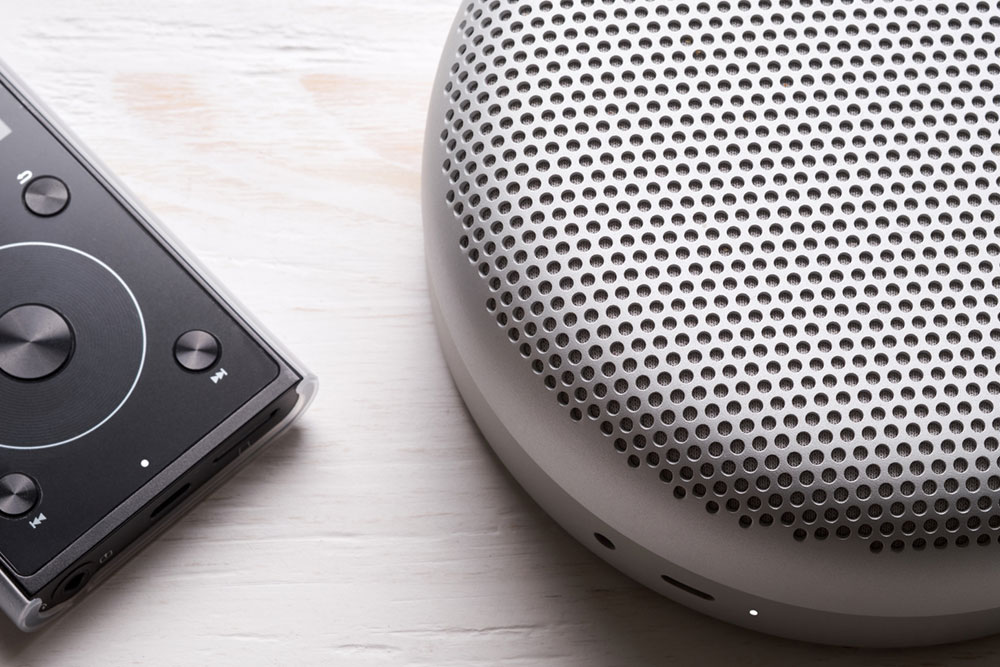
Bluetooth speakers have been one of the most significant technological innovations in recent years, allowing users to enjoy their music on the go. Like other gadgets, however, they may also have certain limitations or defects, which can negatively affect one’s user experience. Most commonly, these defects may occur because of wrong equipment use, improper maintenance, or using the wrong cables. Learn more about the most common Bluetooth speaker defects and their solutions.
Low speaker sensitivity/sound
Speaker sensitivity or efficiency is often one of people’s first complaints with Bluetooth speakers. This subdued sound can worsen the mood and put a real dampener on any event. However, audio issues do not always indicate a problem with the speaker. They may also occur due to poor audio file quality, speaker’s low battery life, or poor connectivity. All these problems can be fixed quickly.
If that doesn’t fix the issue, check the cable between the playback source and the audio system (if at all). There is a possibility of a fault in the cable as well. Try to remove and reattach or replace the cable. If this does not work, use third-party software to check the speaker’s frequency response, impulse response, and more. This may shed light on the root cause of the problem. If none of the above solutions seem to work, it may be time to take the speaker to a service center and have it checked professionally.
Spotty signal
Using a Bluetooth device that fails to connect or provides a spotty signal feels dreary. This is known as signal dropping and is a common point of frustration for many customers. It may result from moving out of range or a simple lack of compatibility.
Here are some possible diagnoses and tips on how to resolve them:
- Since Bluetooth devices have a specified range to maintain a stable connection, try to stay within this recommended range. Moving around too much will inadvertently weaken the signal. Some interruptions may also result from physical barriers like walls and other obstructions. Avoid these by repositioning the speaker and the audio device to get the desired signal.
- Sometimes, the Bluetooth may also cut out or disconnect because the speaker is running low on battery. This could make the connection unstable or cause Bluetooth to cut out at a higher volume. To rectify this issue, let the speaker charge fully. When traveling, try to maintain a stable power supply (perhaps using a power bank or a battery pack) to allow uninterrupted audio playback.
- Check if the Bluetooth speaker is compatible with the device. Do this by checking which version of Bluetooth both devices support and their specifications. Older versions of Bluetooth technology may find it challenging to keep up with the current advancements.
Interference from other wireless devices
Another common issue many users report is interference from other wireless devices. This occurs when multiple devices emit the same band frequency in the vicinity, such as Wi-Fi routers, microwaves, and other Bluetooth devices. The solution to this problem is simple. Just relocate one of the devices and place it closer to the other one. This should allow uninterrupted flow and a seamless musical experience.
Humming or rattling sound in the speakers
Sometimes, when connected to larger devices such as televisions, Bluetooth speakers may start giving off a humming sound due to differences in the audio formats of both gadgets. On newer streaming devices, this can be rectified by selecting a different output format. If the format seems to be working on both ends, there may be an issue with the network. Try to use the right cable to resolve the issue.
For those hearing a rattling noise coming from the speakers, it could indicate a physical defect. Besides, a loose screw, insecure connection, or foreign debris inside the speaker may also cause this. To test for rattling, gently shake the speaker and observe if the noise persists. If the issue continues, one may need to open the speaker and check for defects, take it to a service center to address any other issues, or have it repaired promptly.
Sound-quality issues
Over time, users may also face sound quality issues with their Bluetooth speakers, such as a lack of treble or bass. While this may not sound like a significant problem to casual listeners, it can dramatically change the audio experience. This problem could occur due to a variety of reasons, such as:
- Using the device at full volume can increase distortion and other audio issues.
- Not playing around with the device’s equalizer settings. Please note that the option to tinker with these settings is not available for all devices but is standard for premium devices.
- Internal or cord damage can be diagnosed via simple troubleshooting.
- Damage to the audio system itself requires professional repair.
In case of other software or hardware issues, try connecting with a different audio device to see if the problems persist. If they do, there may be an issue with the input device, not the speaker. If not, it may be time to have the speaker checked by a technician or buy a new one.