4 vitamins that help maintain eye health
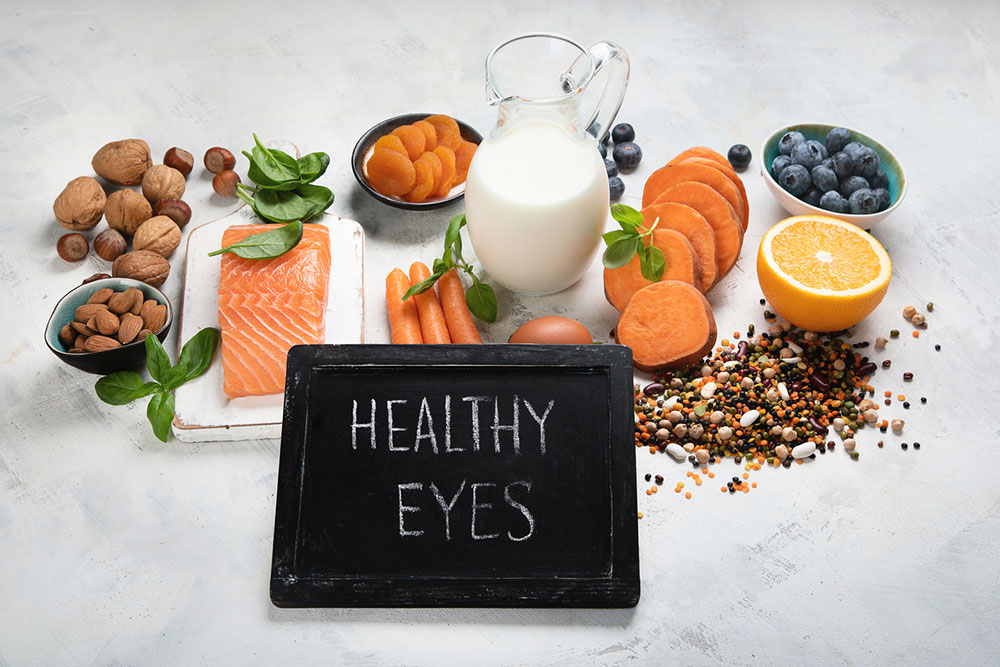
In the fast-paced digital age where screens dominate routine lives, maintaining good eye health is more important than ever. While several home remedies and exercises can help improve vision, nutrition plays a key role in maintaining eye health. Balanced meals rich in essential nutrients help in preserving and enhancing vision. So, here are some of the key vitamins and minerals one can get via daily meals that help contribute to good eye health:
Key vitamins
1. Vitamin A (beta-carotene)
Vitamin A is crucial for eye health, as it helps promote good vision, prevent night blindness, and maintain the health of the cornea. This fat-soluble vitamin is essential for the formation of rhodopsin—a photopigment found in the retina. Rhodopsin is critical for low-light vision and helps the eyes adjust to varying light conditions. A study published by the American Academy of Ophthalmology found that one of the reasons for night blindness is a severe deficiency of vitamin A. The cornea—the eye’s protective outer layer—acts like a shield for the organ. Lack of vitamin A affects the production of moisture in the eyes, resulting in dryness that can directly impact the health of the cornea. Beta carotene, a plant pigment found in colorful fruits and veggies, is the main source of vitamin A. When consumed, the body converts beta-carotene into the essential vitamin.
Sources: Some of the best sources of vitamin A (beta-carotene) are:
– Dark leafy greens like spinach and kale
– Veggies like red pepper and broccoli
– Orange and yellow fruits and vegetables such as carrots, pumpkin, squash, cantaloupe, apricot, and sweet potatoes
2. Vitamin E
This is another fat-soluble antioxidant that plays a vital role in protecting cells, including those in the eyes, and fatty acids from oxidative damage. The retina, in particular, is dense in fatty acids and requires vitamin E to function optimally. Vitamin E also plays a role in combating free radicals, which are harmful molecules that can damage body tissues and harm proteins in the eyes. This, in turn, may lead to cataracts or cloudy vision. In addition to this, studies show that a deficiency in Vitamin E puts one at a higher risk of developing age-related cataracts. Based on a study, the minimum daily intake of vitamin E is estimated at 7 mg, but one should get tested and consult a doctor to get personalized recommendations for improving vitamin levels.
Sources : Nuts like almonds and peanuts, which make for a convenient snack, are packed with vitamin E. Sunflower seeds are another excellent source of vitamin E and can be easily added to salads or yogurt. Spinach, fortified cereal, and safflower, soybean, corn, and wheat germ oils, are also good sources of vitamin E.
3. Vitamin C
Vitamin C is known for its potent antioxidant properties that fight oxidative stress, which can contribute to the development of eye diseases like cataracts and age-related macular degeneration (AMD). Apart from this, vitamin C also helps protect the eyes from harmful UV radiation. Some studies have shown that those with an adequate vitamin C intake had clearer lenses and were 33% less likely to develop cloudy vision.
Sources: Citrus fruits like limes, lemons, grapefruit, and gooseberries, kiwis, Brussels sprouts, blackberries, strawberries, bell peppers, cauliflower, cabbage, broccoli are all rich sources of vitamin C. Regular intake of these foods not only supports the immune system but also helps maintain the structural integrity of the eyes.
4. B vitamins
The B-vitamin complex, including B6, B9 (folate), and B12, plays a collaborative role in maintaining eye health. Intake of B vitamins can help reduce elevated levels of homocysteine, a compound linked with inflammation and a heightened risk of AMD. Additionally, vitamin B2, also known as riboflavin, helps lower oxidative stress on the eyes. Studies have shown that many people with cataracts have a deficiency of vitamin B2.
Sources : Leafy greens and legumes are rich in B vitamins, especially B6 and B9. One can add beans, lentils, chickpeas, peanuts, fish, green peas, yogurt, seafood like salmon and tuna, and mushrooms to daily meals to increase the intake of B vitamins.
Additionally, lutein and zeaxanthin are fat-soluble antioxidants that help protect the eyes from harmful ultraviolet rays and prevent AMD and cataracts. So, one should opt for foods rich in these antioxidants, like kale, dark green leafy vegetables, pistachio nuts, egg yolk, asparagus, and corn.
Other nutrients
1. Omega-3 fatty acids
Omega-3 fatty acids, specifically docosahexaenoic acid (DHA) and eicosapentaenoic acid (EPA), are essential for maintaining the health of the retina. These fatty acids contribute to the structure of cell membranes in the eyes and support the overall health of the ocular surface. Apart from this, omega-6 fatty acid or gamma-linolenic acid (GLA) in small quantities may help with eye health.
Sources: Fatty fish like salmon, sardines, mackerel, and trout are rich sources of omega-3 fatty acids. Alternatively, one can opt for sources like flaxseeds, soy milk, chia seeds, and walnuts, adding them to breakfast smoothies or snacks. Further, primrose oil and starflower oil are some rich sources of omega-6 fatty acids. The lubricating effect of these fatty acids helps prevent dry eyes and promotes overall eye comfort.
2. Zinc
Zinc is a mineral that plays a crucial role in maintaining the health of the retina. It is a key component of enzymes that support various physiological processes in the eyes, including the conversion of beta-carotene into Vitamin A.
Sources: Meat, dairy products, oysters, nuts, pumpkin seeds, crab, beans, cashews, and legumes are excellent sources of zinc. Ensuring an adequate intake of this trace element is essential for preventing vision-related complications.