17 helpful tips for a smooth moving experience
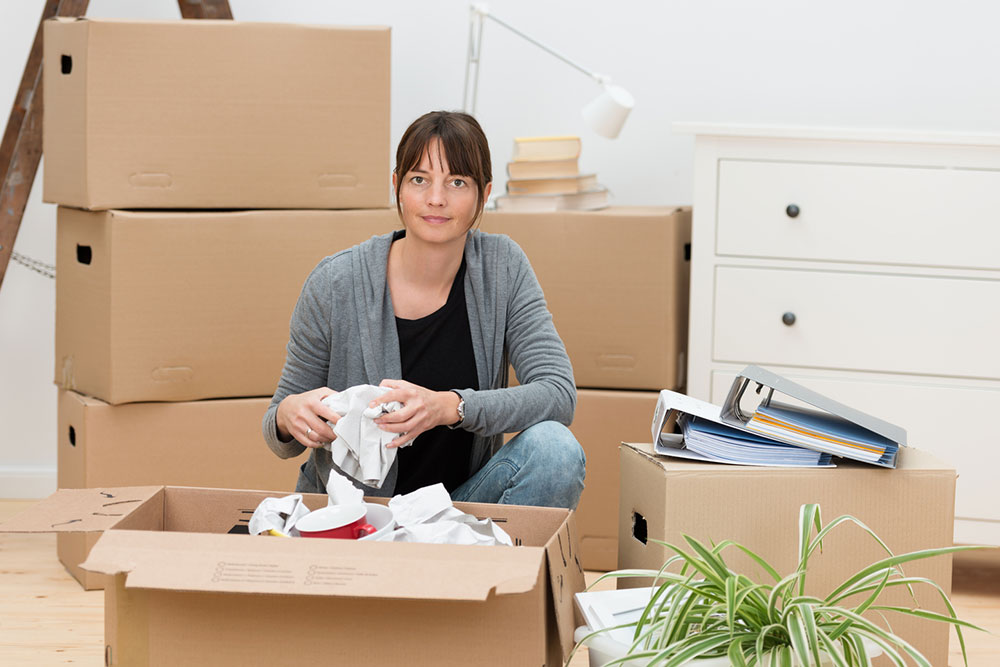
Moving is often an exciting and overwhelming experience. Whether an individual is relocating to a new city for a job opportunity or moving to a bigger home to accommodate their growing family, the process of packing up and making a fresh start can be a challenging endeavor. However, with the right strategies and a well-organized plan, this process can be completed hassle-free. Find below helpful tips designed to help achieve a smooth transition to a new beginning.
Create a moving timeline
Before embarking on the journey of packing and moving, it’s essential to create a detailed moving timeline. Start planning at least two months in advance, as this may give an individual ample time to handle all the necessary tasks without feeling rushed. One must also divide timelines into specific phases, such as sorting, packing, hiring movers, and unpacking. Having a clear roadmap might help one stay organized throughout the process.
Declutter and downsize
One of the most crucial steps in the moving process is decluttering and downsizing belongings. Individuals should take this opportunity to evaluate their possessions and decide what they want to keep, donate, or discard. A general rule of thumb is to get rid of items that have not been used in the past year. Decluttering not only reduces the number of items needed to pack but also makes the new space feel less crowded and more organized.
Gather packing supplies
To ensure a smooth packing process, gather all the necessary packing supplies well in advance. These supplies may include cardboard boxes, packing tape, bubble wrap, packing paper, markers, and furniture covers. Having these materials on hand may prevent any last-minute scrambling and allow one to pack efficiently.
Start packing early
An individual should begin packing belongings early, starting with the items used less frequently. Pack room by room, labeling each box with its contents and the room it belongs to. This systematic approach might make unpacking at the new location much more manageable. Be sure to secure fragile items properly to prevent breakage during the move.
Pack an essentials box
Individuals must prepare an essentials box that contains items they might require immediately upon arrival at their new home. This box could include toiletries, a change of clothes, important documents, and any other items they require for the first day or two in the new space. Keeping this box easily accessible during the move can help avoid the need to search through all the other packed belongings right away.
Hire professional movers
If a budget allows, individuals should consider hiring professional movers to assist with heavy lifting and transporting their belongings. Research reputable moving companies, obtain multiple quotes, and read customer reviews to make an informed decision. Professional movers could streamline the process and provide peace of mind, knowing that the possessions are in experienced hands.
Keep essential individuals in the loop
One should keep essential individuals, crucial in the process, in the loop about the upcoming move. Someone who is moving should update their address with the post office, and notify the bank, insurance company, and any subscription services of the change of address. Additionally, they should also inform friends and family members, as well as their employer or school, about the new contact information.
Transfer utilities and services
One must arrange to have all the basic utilities (electricity, water, gas, internet, etc.) transferred to the new address or disconnected at the old one. The individuals must also make sure to schedule these changes well in advance to ensure a seamless transition. This is also the time to research and set up any new services needed in the new location.
Label boxes clearly
Properly labeling moving boxes is crucial for an organized unpacking process. An individual should use a system that works for them, such as color-coded labels or detailed descriptions. Mark fragile items and note the room each box belongs to. This may save them time and effort when it’s time to unpack.
Protect valuables
For items of significant value, such as jewelry, important documents, and heirlooms, consider packing them separately and transporting them personally. This ensures their safety and provides peace of mind throughout the moving process.
Take care of plants and pets
If a person who is moving has plants and pets, they could make special arrangements for their transport. The individual could research the best way to move their plants and ensure pets are comfortable during the move. Keeping them in a separate, safe area on the moving day is recommended to prevent stress and accidents.
Stay organized during the move
On the day of the move, stay organized by keeping all important documents, contact information, and essential items together. One must ensure they have a copy of their moving contract, as well as any receipts or records related to the move.
Inspect the new home
Before moving into a new home, one must conduct a thorough inspection to ensure everything is in order. The person must also check for any pre-existing damage or issues that need to be addressed. Furthermore, any findings should be documented and communicated with the landlord or previous homeowner.
Unpack methodically
Unpacking could sometimes be as overwhelming as packing. To make the process more manageable, the person moving should start with the essentials box and tackle one room at a time. This systematic approach could help maintain order and avoid feeling overwhelmed.
Dispose of packing materials
Once unpacked, the person should not forget to dispose of the packing materials properly. Many moving companies offer services to take away used boxes and packing materials, or one could recycle them according to the local guidelines.
Get to know the neighborhood
After settling into the new home, the individual should take some time to explore their new neighborhood. It is crucial to familiarize oneself with the nearest grocery stores, pharmacies, healthcare facilities, schools, and other essential services. Building a sense of community may help ease the transition to one’s new surroundings.
Stay patient and positive
Finally, remember that moving could be stressful, and it’s normal to feel a range of emotions during the process. It is important to stay patient with oneself and with family members and try to maintain a positive outlook. The individual should also embrace the adventure of starting anew and look forward to opportunities in the new home.