15 Outdoor Grilling Mistakes to Avoid This BBQ Season
Summer is the typical time for relaxing picnics and barbecues. Many people take on outdoor cooking and grilling adventures during family and friendly gatherings. From Memorial Day to Labor Day, there are seemingly endless BBQ events serving up delicious foods such as steaks, burgers, shrimp, potatoes, onions, fish, pineapple, tofu, and more. If you are setting up an outdoor cooking station in your backyard, avoid making these 15 common outdoor cooking mistakes:
Not testing your equipment beforehand
Do a test run with your BBQ grill before you invite your friends and family over! This will allow you to test your equipment and even plan some fun yet easy grill recipes for later. If you plan on carrying your stove or grill for a camping adventure, you will also have a better chance of investing in new equipment and reducing the risk of mishaps.
Not cleaning the grill
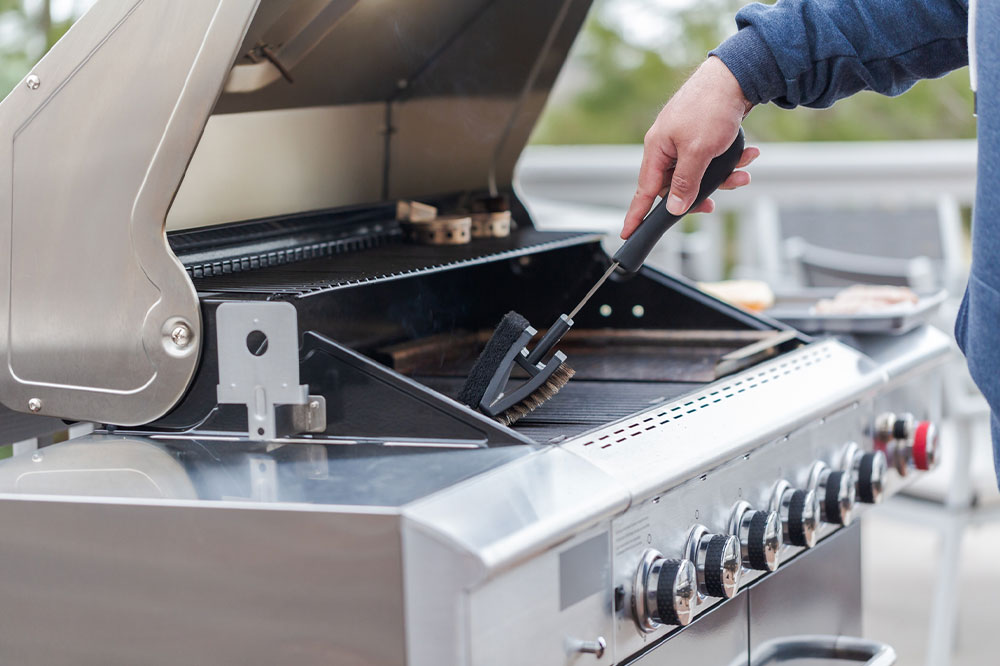
Before using a grill, be sure to clean it. This is because leftover bits and pieces of charred foods can impact the flavor of your next meal. This residue can also be unhealthy to consume. Once you are done cooking and the grill has cooled, scrape off large pieces of residue with a spatula or a knife. Then, use a kitchen scrub pad or an aluminum foil ball to clean the grill.
Not checking the propane levels
If you are using a gas grill, make sure you have enough supply of propane before you start. You (and your guests) are more likely to have an enjoyable BBQ experience. Some propane tanks have a meter, while others may need to be weighed separately. A full home BBQ tank weighs anywhere between 25 to 30 pounds, while an empty tank weighs around 18 pounds.
Ignoring grill prep
If you are only cooking firm proteins, this step isn’t too important. But if you are cooking fish, vegetables, or fruit, adding a light coating of vegetable oil to an unlit grill can help prevent the food from sticking to it.
Not preheating the grill
Whether you are using an electric, charcoal, or wood-fired grill, remember to preheat it before putting any food on it. On a charcoal or wood-fired grill, start the fire at least half an hour before you plan on grilling. This will help you ensure a more pleasant and faster cooking experience.
Spreading the heat too evenly
Aim to have two separate cooking temperatures on your grill – a very high temperature for grilling meats, and a slightly cooler section for more delicate fish and vegetables. This is easier to do on a gas grill, as you can simply turn the burner to ‘low’. On a wood or charcoal grill, move the burning coal around to play with the temperature, or keep one section of the grill unlit.
Spreading the coal too early
If you are using a charcoal or a wood fire grill, let them remain heaped in the bed of the barbecue until they are smoldering in gray ash. Spreading them too early can reduce the intensity of the barbecue and make it longer to cook your food.
Grilling the wrong food
There are several foods that aren’t as enjoyable when grilled. Avoid grilling flaky fish, tough meat cuts, such as short ribs and veal shanks, watery or leafy vegetables like cucumber and spinach, and fibrous vegetables like okra or celery. Grilling expensive, fatty cuts such as wagyu beef directly on the grill can ruin the meat texture as well; use a pan instead! You can use the leftover fat to saute potatoes and other vegetables.
Using the wrong tools
Invest in long-handled spatulas, forks, and tongs to reduce your risk of injury, since you are a lot more susceptible to burns when using short-handled tools. Some other essential tools to buy include a cast-iron pan, matches/lighter, sandwich bread toasters, flatware, and aluminum foil.
Under-seasoning the food
It’s always better to add more salt and pepper to the food while grilling, as a lot of it may burn or fall off during the grilling process. Using coarse salt (instead of table salt) can help add a delicious crust to the meat you are cooking as well.
Putting the sauce on too early
Brush the sauce on only towards the end of the cooking process. Putting it on too early can cause the sugars in the sauce to burn or become sticky. Once the meat is almost done cooking, move it towards the cooler side of the grill, and then brush a light layer of sauce over it.
Pressing down on your burgers
When you smash a burger on the grill, you lose a lot of its juices and flavors in the process. Avoid pressing down on the burgers if you are cooking them directly on the grill and not in a pan.
Leaving the grill unattended
When you’re hosting a party or a get-together, it’s natural to get distracted as you greet your guests and revel in conversations. While grilling, however, it is important to remain focused. Losing track of time may cause the coals to die out or the meat to be overcooked.
Not letting the meat rest
If you’re cooking any kind of meat, remember to let it rest before cutting into it. The ideal resting time for steak or lamb chops is three to five minutes, while bigger cuts of meat, such as pork loin or a leg of lamb, may need up to 10 minutes. This resting time allows the meat to distribute evenly within the meat, leaving it more supple and tender for a delicious eating experience.
Over- or under-cooking the food
Overcooked or undercooked meat is never enjoyable. For the perfect grill every time, invest in a meat thermometer and insert it in the thickest part of the protein. Use an online meat guide to find the ideal cooking temperature to take the guesswork out of the grilling process.