14 side effects of not drinking enough water
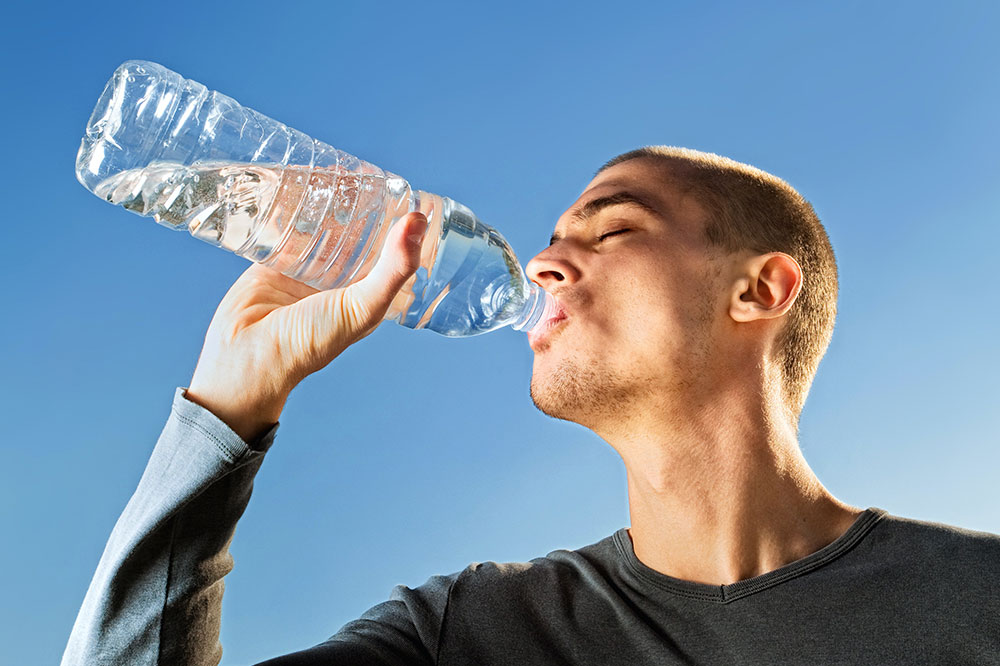
Water has no nutritional value, but we need it to function. And since the body has no way to store water for long, it must be received regularly in the form of fresh liquids. One’s daily water requirements will vary depending on age, gender, lifestyle, activity levels, and the climate they live in. Drinking too little water causes dehydration, which can be life-threatening, especially to infants, young children, and the elderly.
Why is water essential ?
Water helps complete bodily processes, such as:
- Maintaining the health of the cells in the body
- Keeping the bloodstream liquid enough, so it can freely flow through blood vessels
- Eliminating the by-products of regular bodily processes, like electrolytes and urea
- Regulating the body’s temperature through sweat
- Providing moisture to the mucous membranes in the lungs, mouth, and other organs
- Lubricating and cushioning the joints
- Reducing the risk of certain urinary tract infections (UTIs) by keeping the bladder clear of bacteria
- Supporting digestion and reducing the risk of constipation
- Moisturizing the skin to maintain its texture and appearance
- Carrying nutrients and oxygen to the cells
- Surrounding the fetus during pregnancy in the form of amniotic fluid
Side effects of insufficient water intake
When the body’s fluid content is too low, people may experience the following:
Persistent headaches
One of the first signs of dehydration is a persistent throbbing headache. It usually goes away or reduces after drinking a large glass of water.
Constipation or slowed bowel function
The water receptors in the colon soften the stool by adding water to it. When this function is affected, one could experience constipation, abdominal pain, and cramps.
Dull skin
Drinking little or no water can cause the skin to become dry and ashy. This is because water helps the skin maintain its youthful appearance by keeping it elastic, radiant, and bright. Staying hydrated can also help reduce the occurrence of acne and other skin problems by flushing toxins out of the body. On the other hand, not drinking water could increase fine lines, wrinkles, flakiness, and sagging skin.
Fatigue
Since water helps keep the mind alert and balances nutrients in the body, drinking less can lead to a drop in energy levels and fatigue. To remember to drink water throughout the day, one can keep a water bottle in their backpack.
Dry mouth
Dehydration can cause the body’s mucous membranes to dry up. This can impact the production of saliva in the mouth and cause dry mouth, making it difficult to swallow, talk, or even breathe.
Increased risk of stroke
Research studies show that dehydration can increase a person’s risk of stroke and make recovery longer for those who have already had one. Drinking sufficient water every day can help people avoid dehydration and thus reduce the risk of stroke.
Moodiness
Dehydration can make individuals more angry, hostile, confused, depressed, and worried, according to research published in a reputed journal. Maintaining the level of water in the body can help keep some of these emotions in control.
Overeating
People often confuse thirst with hunger and tend to eat more than their body requires. So, it is best to drink a big glass of water first when feeling hungry. If hunger persists, it is safe to sit down and eat.
Slower metabolism
Water is necessary for the body to perform important functions like metabolism. Unsurprisingly then, dehydration causes the metabolism to slow down. Drinking water, as recommended by an expert, can help the body to perform this function successfully.
Brain fog
Most of the body and even the brain is made up of water. So, drinking a healthy amount of water every day can keep the brain sharp and avoid brain fog. Dehydration, on the other hand, can impact short-term or working memory negatively, which can cause a person to lose track of what they were doing.
Bad breath
As discussed earlier, water is essential for saliva production, which rinses away odor-causing bacteria from the mouth. Dehydration reduces the production of saliva, which causes bacteria to build up on the teeth, gums, and tongue, causing bad breath or halitosis. If someone maintains a good oral care routine but continues to suffer from bad breath, it could be a sign of dehydration.
Frequent illnesses
As water removes toxins, bacteria, and waste from the body, it helps strengthen immunity and reduces the frequency of infections. If one is constantly dealing with illnesses, drinking more water can help reduce the occurrence of toxins in the body and thus improve overall health.
Sugar cravings
Dehydration does not allow the body to use glucose to produce energy. This can trigger sudden cravings for sugary foods like cakes, donuts, chocolates, and candies. Drinking more water can reduce these cravings and help people stick to their meal plans.
Decreased urination
Dehydration causes the kidneys to retain more fluid, which leads to decreased urination. It can also make the urine appear darker in color, stronger in odor, and cloudier in appearance and increase the risk of UTIs. If ignored, dehydration could even lead to little-to-no urination and kidney failure since the body loses the ability to filter toxic waste. In severe cases, it could lead to death.
Dehydration can also lead to other symptoms like extreme thirst, lethargy, dry nasal passage, and dry or cracked lips. The exact signs usually differ by age. Infants and young children are more prone to a dry mouth and tongue, lack of tears when crying, sunken eyes and cheeks, sunken soft spots on top of the skull, and listlessness or irritability.
Generally, drinking six to eight glasses of water is recommended for most healthy adults. However, this limit may be reduced for those with certain heart conditions. Speaking to a doctor can help one get more clarity on the ideal hydration levels and the ways to maintain them.