13 tips to manage migraine symptoms naturally
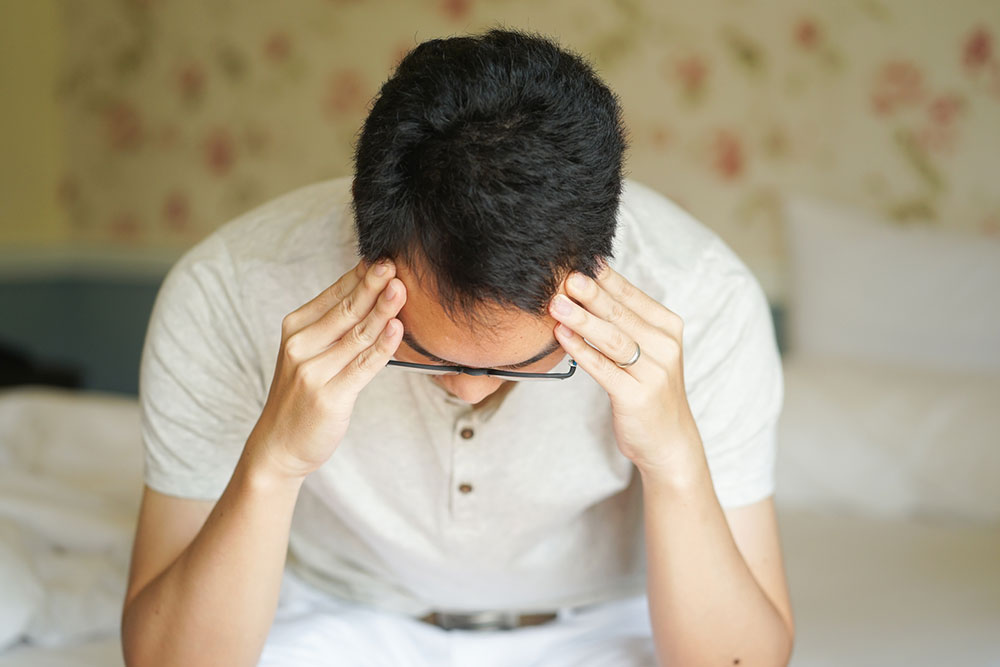
According to statistical data, approximately 15 percent of individuals nationwide are affected by migraine attacks. A migraine, characterized by a throbbing headache, particularly on one side of the head, often triggers other issues, such as constipation, vomiting, and nausea. There are several underlying causes of migraines, including genetics, stress, hormonal changes, and weather conditions. Timely consultation with a healthcare provider can help treat migraines effectively. In addition, here are some tips to manage migraine naturally:
Stay hydrated
According to the American Migraine Foundation, dehydration is the underlying cause of migraine for one in three people grappling with migraine attacks. Therefore, it is important to drink plenty of water while healing from migraines. Women and men should maintain a daily water intake of approximately 2.7 and 3.7 liters, respectively, on a daily basis.
Apply peppermint oil
Some studies have found that applying peppermint oil can provide relief from headaches and migraines. For quick migraine relief, it is best to apply peppermint oil in small quantities on the temples, under the nose, on the back of the neck, on the chest, or the shoulders.
Have foods rich in magnesium
Having magnesium-rich foods has been proven to reduce the frequency of migraine attacks. Thus, individuals prone to migraines should have foods high in magnesium, such as bananas, whole grains, leafy green vegetables, avocados, and black beans.
Add ginger to foods and beverages
With a host of anti-inflammatory properties, ginger has been traditionally advocated for relief from nausea (a common migraine symptom) and headaches. Thus, individuals with migraines may benefit from beverages like ginger tea and hot water with some ginger and honey. One may also add chopped or julienned ginger to stir-fries, gravies, etc., to enhance their flavor while managing headaches.
Avoid foods containing tyramine
Certain foods contain a substance called tyramine, which has been found to cause rebound dilation of one’s cranial vessels, leading to migraine headaches. Therefore, individuals prone to migraines should avoid foods containing tyramine. Some of these foods include aged cheeses (such as blue cheese, cheddar cheese, and Swiss cheese); pickled herring; and sauerkraut.
Limit caffeine intake
While caffeine has vasoconstrictive properties that help with headache relief, excessive caffeine intake has been linked to migraine attacks. Hence, the key is to have caffeine in moderation, not exceeding two cups of tea or coffee a day.
Try temperature therapy
Temperature therapy refers to the application of hot or cold compress on the head or neck to manage headaches and migraine symptoms. For example, ice packs have a numbing effect, which can soothe headaches and reduce discomfort associated with migraine attacks. One may also use an electric heat bag or have a warm shower as part of temperature therapy to relieve migraine.
Smell the lavender
Besides having an overall calming effect, the fragrance of lavender can help relieve migraines. The lavender essential oil may be applied in small quantities under the nose, on the temples, on the back of the neck, or dispensed through a diffuser to manage migraine symptoms.
Exercise regularly
Although exercising during a migraine attack is not a good idea, staying physically active at other times can help reduce instances of migraine attacks. Incorporating simple exercises like walking, jogging, skipping, and cycling into one’s daily workout routine can help control migraines effectively.
Opt for head massages
Nothing is more soothing than a good head massage to relieve stress, migraine, and other symptoms. However, a head massage can sometimes worsen migraines for individuals grappling with allodynia, a migraine symptom that causes sensitivity to touch and induces pain even when one performs basic daily activities like brushing one’s hair. Hence, having a head massage is a good idea if one does not have allodynia.
Reduce screen time
Excessive use of gadgets like laptops, iPads, and mobile phones is linked to increased frequency of migraines. This is because these electronic devices emit a blue light, which can cause severe eye problems over time. Such eye-related issues can aggravate migraines and headaches significantly. It is best to limit one’s usage of gadgets and remember to put them away before bedtime. Moreover, several phones now have a feature that tracks screen time for specific apps. It is recommended to use this feature to monitor and regulate screen time.
Identify and eliminate stressors
Stress has been identified as a common trigger for headaches and migraines. Unfortunately, in today’s fast-paced life, stress has become a constant in the lives of most. It is important to identify one’s stressors and take active steps to eliminate them to reduce migraine episodes. For example, if one’s work life is stressful, one should consider changing one’s job or switching to a part-time role. In contrast, if household chores take up too much of one’s time, leading to stress and migraines, one should actively seek professional assistance for household chores like cooking and cleaning. Relaxation techniques like mindfulness meditation, yoga, and breathing exercises are also highly effective in relieving stress and stress-induced migraines. Specifically, yoga poses like the child pose, forward fold, and supine twist can help cope with stress better.
Avoid traveling to cities with unfavorable weather conditions
Unfavorable weather conditions may aggravate headaches associated with migraine. Therefore, it is best to avoid migrating or traveling to cities prone to extremely humid or cold weather.