13 cleaning mistakes that can lead to a unhygienic home
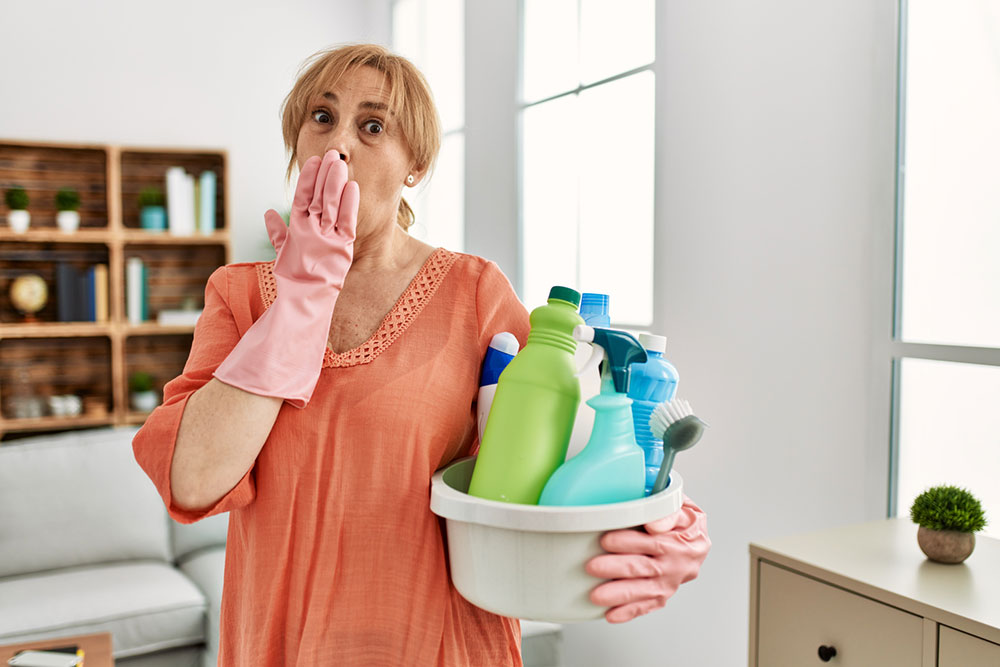
Maintaining a clean and hygienic home is vital for the health and well-being of the whole family. A clean home not only looks inviting but also helps prevent the spread of allergens and diseases. However, many people can unintentionally make common cleaning mistakes that can lead to an unsanitary living environment. Hence, here are some of the most common mistakes one can make while cleaning the house and tips on how to avoid them.
Neglecting regular cleaning
One of the most common mistakes people make is neglecting regular cleaning. Over time, grime, dust, dirt, and other impurities can accumulate in the home, creating an unhealthy environment. To avoid this mistake, establish a cleaning routine. This means one must set aside time each week for tasks like dusting, vacuuming, mopping, and sanitizing surfaces. This way, one can prevent the buildup of allergens and bacteria around the house.
Ignoring clutter
Clutter not only makes the home look messy but also contributes to an unhygienic environment. Piles of clutter provide hiding spots for dust mites and pests. To combat this issue, declutter the home regularly. If needed, one can even donate the items one no longer needs and find storage solutions to keep the other belongings organized.
Neglecting air quality
Good quality indoor air is crucial for a healthy home. Many people make the mistake of neglecting air quality by not ventilating their homes properly. To improve air quality, open windows regularly to allow fresh air in and install air purifiers if needed. Also, remember to clean or replace HVAC filters regularly to prevent the circulation of dust and allergens.
Using toxic cleaning products
While the intention may be to clean, using toxic cleaning products can do more harm than good. Harsh chemicals can leave behind residues that are harmful to one’s health and the environment. Instead, opt for eco-friendly and non-toxic cleaning products. Further, one can even make their own natural cleaning solutions using ingredients like vinegar, baking soda, and lemon juice.
Forgetting to clean areas
Some areas in the home are easily overlooked when cleaning. This can lead to hygiene issues. Some of the most commonly missed areas include doorknobs, light switches, remote controls, and kitchen appliances. So, make it a habit to clean these frequently touched surfaces at frequent intervals to prevent the spread of germs.
Improper food storage
Improper food storage is a major contributor to an unhygienic kitchen. Many people neglect to store food correctly, leading to foodborne illnesses. To avoid this mistake, use airtight containers for leftovers, store raw meats separately from other foods, and check expiration dates regularly. Additionally, clean the fridge and pantry periodically to remove expired items.
Neglecting bathroom hygiene
Bathrooms are a breeding ground for mold and bacteria if not properly maintained. Neglecting bathroom hygiene can lead to unpleasant odors and health issues. To counter these issues, clean the bathroom regularly. Plus, it’s important to pay attention to areas like the toilet, sink, and shower. Besides these, one must use mold-resistant materials in the bathroom and provide proper ventilation to prevent mold growth.
Overlooking pest control
Pests like rodents and insects can quickly turn a home into an unhygienic environment. Many people overlook pest control until it becomes a significant problem. To prevent this, seal any cracks or openings that pests can use to enter the home. Then, keep food stored in airtight containers, and if one notices signs of pests, it is imperative to take immediate action and address the issue.
Neglecting pet care
Pets are wonderful companions, but they also have a tendency to introduce dirt and allergens into the home. This means neglecting pet care, such as regular grooming and cleaning, can lead to an unhygienic living space. Therefore, it is recommended to groom one’s pets regularly, vacuum carpets and upholstery frequently, and wash the pets’ bedding and toys consistently.
Skipping routine maintenance
Another common mistake that can lead to an unhygienic home is skipping routine maintenance tasks. This includes checking for leaks, cleaning gutters, and maintaining the HVAC system. Ignoring these tasks can result in water damage, mold growth, and poor indoor air quality. So, create a maintenance schedule and stick to it to prevent these issues from occurring.
Neglecting bedding and mattress hygiene
Many people underestimate the importance of keeping their bedding and mattresses clean. Over time, sweat, dead skin cells, dust mites, and bacteria can accumulate in the bedding and mattress, leading to an unhygienic sleeping environment. This can be avoided by washing the bed linens, pillowcases, and mattress covers regularly. Furthermore, if needed, one can use allergen-proof covers to protect the mattress from dust mites.
Allowing mold to thrive
Mold not only looks unsightly but also poses health risks. Allowing mold to thrive in the home is a common mistake that can lead to respiratory problems and other health issues. To prevent mold growth, keep humidity levels in check, promptly repair any water leaks, and ensure proper ventilation in areas prone to moisture, like bathrooms, kitchens, and basements.
Neglecting trash and recycling management
Improperly managed trash and recycling can lead to unpleasant odors, pests, and an unhygienic living space. Many people neglect to empty trash cans regularly or forget to rinse recyclables before putting them in the recycling bin. To steer clear of this, establish a routine for taking out the trash and recycling, and make sure bins are cleaned regularly to prevent the buildup of residue and odors.
In conclusion, maintaining a clean and hygienic home requires consistent effort and attention to detail. By avoiding the above-mentioned common mistakes and establishing good cleaning habits, one can create a healthier and more inviting living environment. Finally, one must remember that a clean home not only looks better but also promotes better health and well-being.