12 practical remedies to manage dermatitis itching
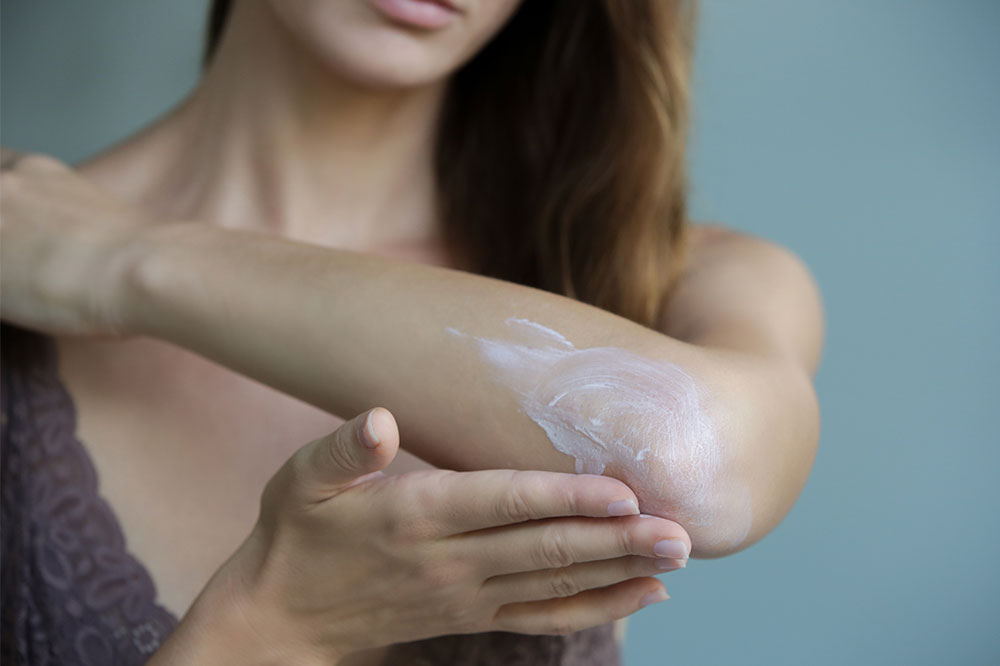
Itching can be a very uncomfortable experience. Itchy skin often results from dermatitis, an inflammation of the skin that causes redness, irritation, and itching. Itchy skin that is severe or stays more than six weeks can affect the quality of your life. There are many ways to manage the itching caused by dermatitis, but some options work better, depending on an individual’s condition. Some of the remedies that help relieve itching are listed below.
Itching creams and powders
One can use creams and powders to relieve the itching. Use them regularly, but ensure to apply only a little portion on the skin. If someone has an intolerance or allergy to any ingredients in a particular product, consult a doctor before using such creams or powders.
Natural oils
Natural oils like coconut oil, primrose oil, and sunflower seed oil are helpful due to their antimicrobial properties. However, wash with a gentle cleanser and apply your moisturizer to finish the process. Apply the natural oil to your skin, and let it absorb for about 30 minutes before washing it off. One can also use a serum or moisturizer with coconut oil as the main ingredient. It is often suggested to treat acne and other skin problems. It is highly effective because it acts as an antibacterial agent and alleviates inflammation.
Acupuncture and Acupressure
Acupuncture and acupressure are two alternative remedies suggested for treating itching. Acupuncture involves needles stimulating specific points on the body, which can relieve dermatitis symptoms such as itching. Acupuncture is a traditional therapy technique, while acupressure is an alternative form of acupuncture. However, both methods may work similarly to relieve a person’s condition by stimulating the release of endorphins and serotonin in your brain (both chemicals play a vital role in regulating pain).
Acupuncture for dermatitis
Acupuncture involves inserting fine needles into specific parts of your body at certain intervals during therapy sessions. These sessions typically last between 30 minutes and two hours per session and take place over several weeks or months with regular checkups before starting again after an absence from treatment due to various reasons.
Relaxation techniques
It is easy to get stressed out while dealing with an itch. Scratching may temporarily relieve your pain, but it can also worsen the condition in the long run. Stress management techniques like the ones listed below might help.
- Meditation is an ancient practice of training your mind and body to relax. It is a beautiful way to escape from the daily grind or any other stressful situation that may be causing itching on your skin.
- Yoga helps improve flexibility while promoting meditation techniques and reducing stress levels overall. It is helpful due to the focus on breathing exercises which help calm a person’s mind from anxieties and tensions caused by daily activities.
Elimination meal plan
This nutritional regime eliminates certain foods from your meal plan to see if they are causing your symptoms. Try an elimination meal plan, as it can help reduce the itchiness and inflammation associated with dermatitis. You start by avoiding all foods triggering your dermatitis itching and then reintroduce one at a time until you find out what works for you. This method takes some trial and error but can be very effective in determining which foods trigger flare-ups or keep them away altogether.
Calendula cream
Calendula cream is an anti-inflammatory agent used to treat dermatitis for years and can help with itching, redness, and inflammation. Calendula contains antibacterial properties that destroy bacteria on the skin and anti-fungal properties that help prevent fungi from growing on your skin. Calendula is also a good source of vitamin A, which helps promote healthy cell growth in the epidermis (the outer layer of the skin).
Wet wraps
Wet wraps are a great way to relieve itching. Though it is suggested as a home remedy, it is best to have some medical-grade moisturizer on hand if the wet wrap is insufficient. To make a wet wrap at home, take some damp washcloths or towels and place them in warm water. The towels should feel lukewarm instead of hot. You can use two different types of clothes so that one is slightly more generous than the other (this will help reduce the time you need to leave these on the skin).
Cold compress or bath
It is an excellent way to relieve itching. You can either do this in the bath or with a cold compress, which you can use on your back and legs. Do not use ice because it can cause frostbite. On the other hand, do not use hot water as it might lead to burns.
Mild moisturizer
Moisturizers can relieve itching and dry skin and help prevent future outbreaks. They come in various forms and are applied to the face, hands, and body. Moisturizing creams contain ingredients such as lotions with hydrocortisone or salicylic acid that help reduce inflammation and redness from eczema flare-ups by calming down the immune system’s response to an allergic reaction.
Mild laundry detergent
Some detergents may contain strong chemicals that remove stains from clothing. However, these strong chemicals may cause itching when worn. Using mild detergents to wash your clothes may help avoid such irritations.
Comfortable and breezy cotton clothing
Cotton clothing is comfortable and breathable. It is not itchy, making it a good choice for those prone to dermatitis itching. Cotton is easy to wash and dry, so you can wear your favorite cotton shirts even when you have a case of bug bites or other skin irritants.
Removing allergens from surroundings
Maintain a clean home and use a vacuum cleaner with a HEPA filter to remove allergens in your homes, such as dust mites and pet dander. Wash your sheets and pillowcases regularly to prevent allergens from staying on them longer than necessary.
If you have tried the options above and feel that your itching persists, it is time to consult a dermatologist. The most effective treatment for dermatitis involves prescriptions suggested depending on your symptoms. However, trying out a few different options is advised before singling out what works best for you.