12 Nutritious Foods That are High in Potassium
The human body needs a range of minerals to stay healthy and function appropriately. One such essential property is potassium. The mineral carries a small electric charge that activates various cell and nerve functions. The mineral also aids the kidneys by removing excess sodium from the body through urine. Furthermore, it helps the blood vessel walls relax, promoting better heart health. Here are 12 potassium-rich foods that one can add to their meal regime.
Coconut water
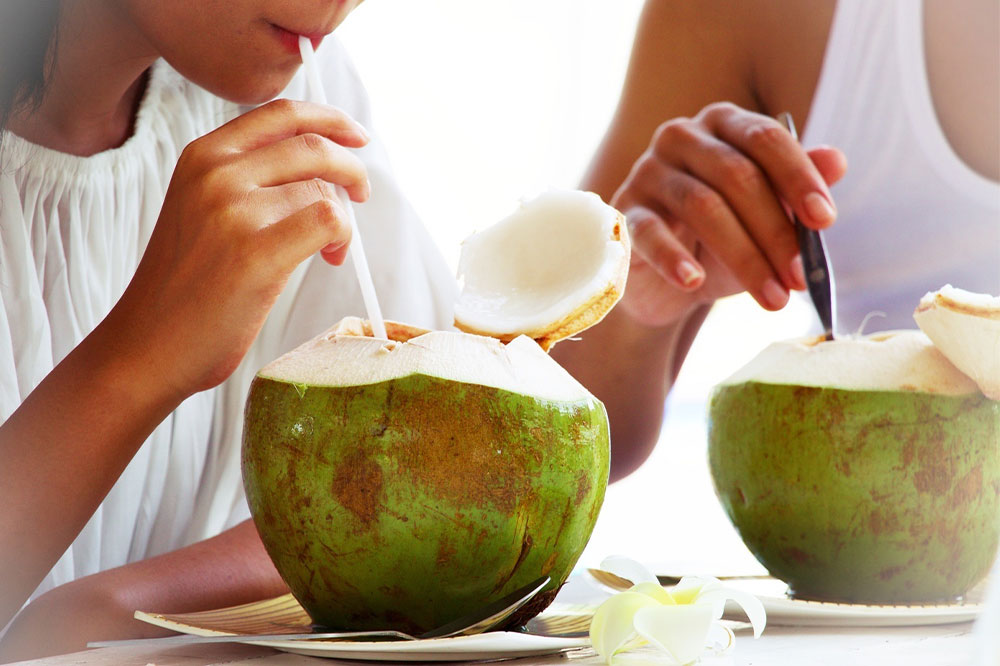
Coconut water is one of the most naturally hydrating drinks one can have. It is rich in natural sugars that provide energy during exercise and also replenish lost glycogen stores. A cup of coconut water can introduce a significant amount of potassium to the body. One can enjoy coconut water served at room temperature or chilled with ice after a workout. However, they must avoid varieties that come with added sugars.
Avocados
Adding avocados to meals may also help boost one’s potassium levels. A single green-fleshed fruit provides about 700 mg of the mineral to the body, deeming it super-healthy for the heart. One could add avocados to any meal during the day. They could mash it for toast and guacamole or add slices of the fruit to tacos, burgers, smoothies, and sandwiches. The fruit may also benefit individuals with high blood pressure who are required to increase potassium intake and curb sodium levels.
Sweet potatoes
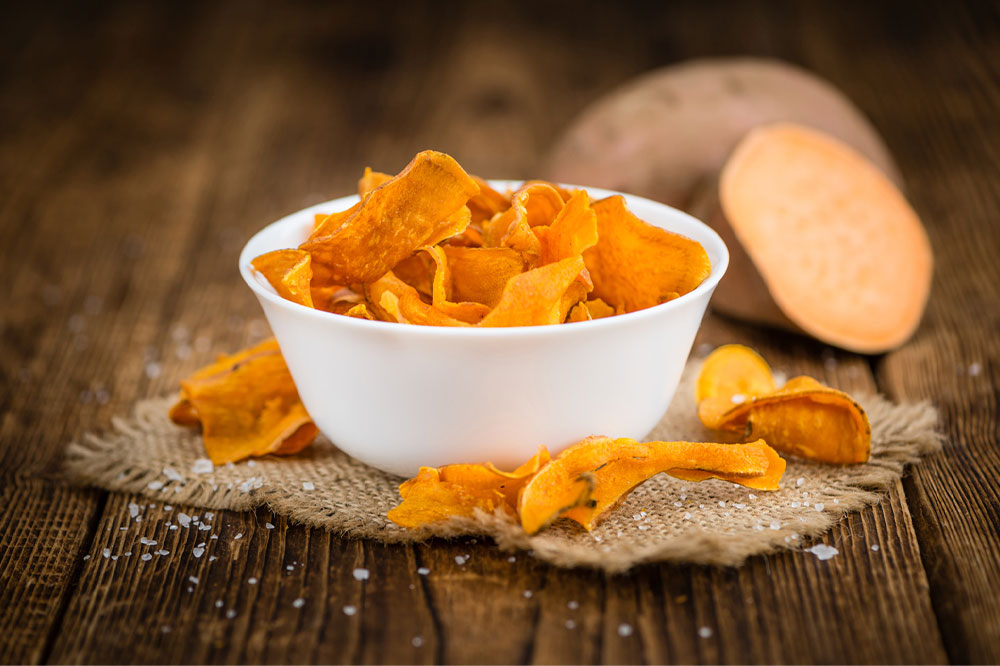
Another healthy food source rich in potassium is sweet potatoes. The food can also be used as an alternative to white potatoes. The food is also low in fat and contains proteins, healthy fibers, and complex carbs, which offer various health benefits to the body. One could pair the root vegetable with another healthy protein source like vegetables, beans, and meat to ensure their body receives maximum benefits.
Watermelon
Those who consume watermelon during the day benefit from the water-dense food. About two wedges of the fruit could enrich the body with about 14% of the daily value (DV) of potassium. Watermelon may also nourish the body with other healthy properties, including protein, fibers, magnesium, and vitamins A and C. While watermelon can be enjoyed by itself, one could combine it with other fruits to concoct a healthy and appetizing salad.
Spinach
Spinach is rich in several minerals, and eating at least a cup of spinach could help boost potassium levels. One can eat spinach in several different ways. They could combine it with a fresh fruit smoothie, add it to pasta or rice as a side dish, munch on spinach chips, or blend it into hummus. Spinach also contains other properties like vitamins A and K and magnesium that can benefit the body.
Beetroot
Beets can also contribute to increased potassium levels in the body. A cup of beetroot usually contains about 518 mg (11% DV) of the mineral. The root vegetable will also introduce other properties like fibers, folates, betalains, and powerful antioxidants to the body. These properties promote the growth of good bacteria in the gut and subsequently boost the immune system. One could add a slice of beetroot to regular yogurt and enjoy it during breakfast or any other meal.
Beans
By adding beans to daily meals, one may benefit from a range of plant-based proteins and complex carbs. A cup of white beans can provide about 21% of the daily value of potassium, while a similar serving of black beans offers about 14% of the DV. One should keep in mind that black beans contain phytates, an antinutrient that might reduce the body’s mineral absorption. As a workaround, they must soak dried beans overnight to curb the concentration of phytates. Beans could be added to several dishes, including stews, burritos, and salads.
Tomato paste
This condiment is known for providing a high concentration of potassium even when added to meals in tiny amounts. It is made from cooked tomatoes that are peeled and seeded. About three tablespoons of tomato paste offer more than 10% of the daily value of potassium. As the paste is concentrated, it adds immense flavor to tomato-based sauces and other dishes. However, one should avoid tomato products that contain additives, added sugars, or preservatives as they may adversely affect the body.
Butternut squash
When one introduces butternut squash to their meal regime, it will nourish their body with vitamins A and C. The fruit also contains a tiny amount of B and E vitamins and magnesium. Moreover, a cup of butternut squash can render about 12% of the DV of potassium. To make the food fun to eat, one could boil, steam, roast, or chop the fruit and combine it with other dishes, including soups and baked vegetables.
Low-fat skim milk
While dairy is a rich source of nutrients like calcium, it also carries significant levels of potassium. A cup of low-fat, skim milk will enrich the body with about 350 to 380 milligrams of potassium. Furthermore, one could also add plain yogurt to their meal regime to boost their potassium intake.
Dried apricots
Individuals who wish to drive up their potassium intake could enjoy the food by mixing dried apricots with muesli during breakfast. The fruit can also be packed to munch on during long drives, hikes, or camping trips. As for its benefits, half a cup of dried apricots carried about 16% of the required daily value of potassium.
Pomegranate
Popular as a seeded fruit, about 282 grams of pomegranate carried approximately 14% of the DV of potassium. One could toss the fruit into a vegetable- or fruit-based salad and enjoy a bowl during the day. An individual could also throw a cup of pomegranate arils, a frozen banana, and a quarter of low-fat Greek yogurt, with two teaspoons of honey and a dash of orange juice in a blender. The resulting smoothie will bestow multiple health benefits to the body.