12 household items that may cause lung irritation and COPD
While keeping the indoor space clean and sanitized is good for one’s overall health and hygiene, certain products used to maintain cleanliness might damage health. Moreover, one may have several household items that may seem harmless. But, most of these products can potentially increase the risk of lung-related health conditions, such as chronic obstructive pulmonary disease (COPD). Here are some commonly used household items that may harm the lungs and cause COPD.
Bleach
Commonly found in many households, bleach works as an effective disinfectant. It is often combined with other solutions to clean and sanitize different surfaces. However, bleach has high amounts of chlorine, and when mixed with other chemicals, chlorine gas is released into the surrounding air. If the space is not well-ventilated, one may end up inhaling the chlorine gas. If this happens on a regular basis, it may lead to permanent lung conditions such as shortness of breath and COPD.
Aerosol sprays
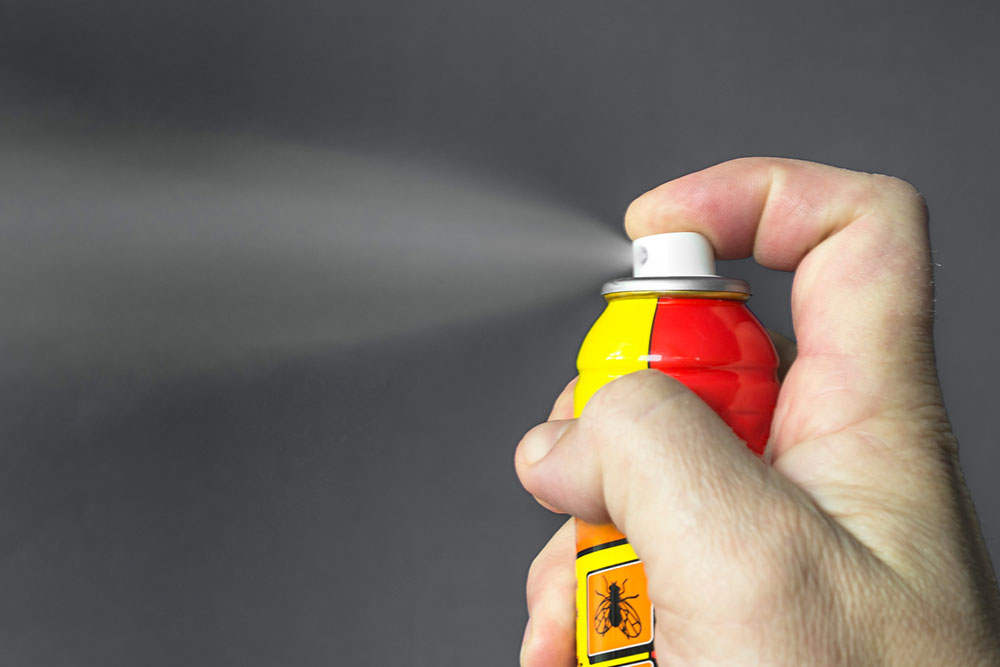
With multipurpose uses, aerosol sprays are quite convenient. From makeup products to air fresheners and foaming agents to deodorants, aerosol sprays are among common household products. However, the convenience of using them comes at the cost of lung damage. While infrequent use in well-ventilated spaces may not lead to much harm, the chemicals and fine particles released into the air can cause lung irritation after prolonged exposure.
Oven cleaners
Most oven cleaners contain strong chemicals such as lye and sodium hydroxide, which help clean grease, food stains, and debris from an oven. However, these chemicals present in the cleaner release fumes that can have a toxic effect over the long run. When one inhales these fumes directly, it can cause respiratory irritation. As a result, one may experience coughing, wheezing, and shortness of breath. Moreover, prolonged exposure may harm the lungs and cause COPD.
Wood-burning stoves and fireplaces
These can give a cozy and warm vibe to an indoor space. But wood-burning stoves and fireplaces release fine particulate matter such as wood dust. In addition, they release harmful gases into the air. Those who spend too much time in rooms where the stoves for fireplaces burn for a long time may be prone to lung damage and respiratory health issues.
Cleaning products
Every home has its arsenal of cleaning products, such as floor, bathroom, and window cleaners. While these are essential to keep the house sanitized, most of the cleaning solutions may cause harm to the lungs. The risk is particularly high when one is frequently exposed to the fumes containing chlorine and ammonia released by these products. Moreover, if the space is poorly ventilated, the toxic fumes collect in the indoor air. When one ends up inhaling this air for a prolonged time, it can lead to the development of COPD.
Pesticides and insecticides
Several commonly used household pest control products primarily contain volatile organic compounds. In addition, they contain other potent chemicals. If one does not wear protective gear while using these products, they may be at risk of severe lung damage. This risk is higher when the exposure occurs over a long period. To protect the lungs and improve overall respiratory health, it is recommended to use natural or non-toxic alternatives.
Dryer sheets and fabric softeners
Volatile organic compounds are one of the key chemicals used in most dryer sheets and fabric softeners. In addition, they contain lubricants and fragrances that help freshen up the laundry. All of these emit fumes that may harm the lungs after persistent and constant exposure. If one uses these household products regularly, they might be prone to bronchitis, emphysema, and other COPD-related health disorders.
Scented candles and incense
These home decor products can lend a warm and fragrant ambiance to one’s home. But at the same time, they release fine particles and fumes from burning the chemicals used to add fragrance to these products. Inhaling these fumes continuously over a long period may lead to irritation in the respiratory tract. Therefore, those who are at risk of COPD and other lung-related health issues must keep away from scented candles and incense.
Nail care products
Several nail care products, such as polish, paints, and removers, contain substantial amounts of toluene, acetone, and other chemicals. These chemicals give the products their distinct smell. However, at the same time, the chemicals release fumes. When one is exposed to these fumes repeatedly, they may be at risk of respiratory health problems, and the risk is higher if these products are used continuously in poorly ventilated spaces.
Paints and solvents
Most paints, solvents, and varnishes contain volatile organic compounds or VOCs such as formaldehyde, benzene, methylene, and chloride. These compounds make the paint easy to transfer and give it the fluid property. This helps in using the paint and solvents efficiently over any surface. However, these compounds emit toxic fumes that cause damage to the lungs. If one is exposed to these fumes repeatedly over time, they may be prone to lung-related health conditions such as COPD.
Gas-powered appliances
Gas-powered appliances emit carbon monoxide and other toxic gases when used in enclosed spaces that are not well-ventilated. Inhaling these gases can cause shortness of breath, wheezing, and coughing. In the long run, there can be substantial lung damage, which can lead to health issues such as asthma and COPD.
Flour dust
While flour is a pantry staple in several homes, it can potentially cause lung damage. It can lead to respiratory issues if not handled properly. This is because fine particles of flour get into the indoor air when one is pouring it or mixing it too vigorously. These particles enter the body through the nose and mouth and deposit over the lungs. As a result, one may experience respiratory irritation, particularly if they have allergies or lung sensitivity.