12 helpful tips to manage eczema
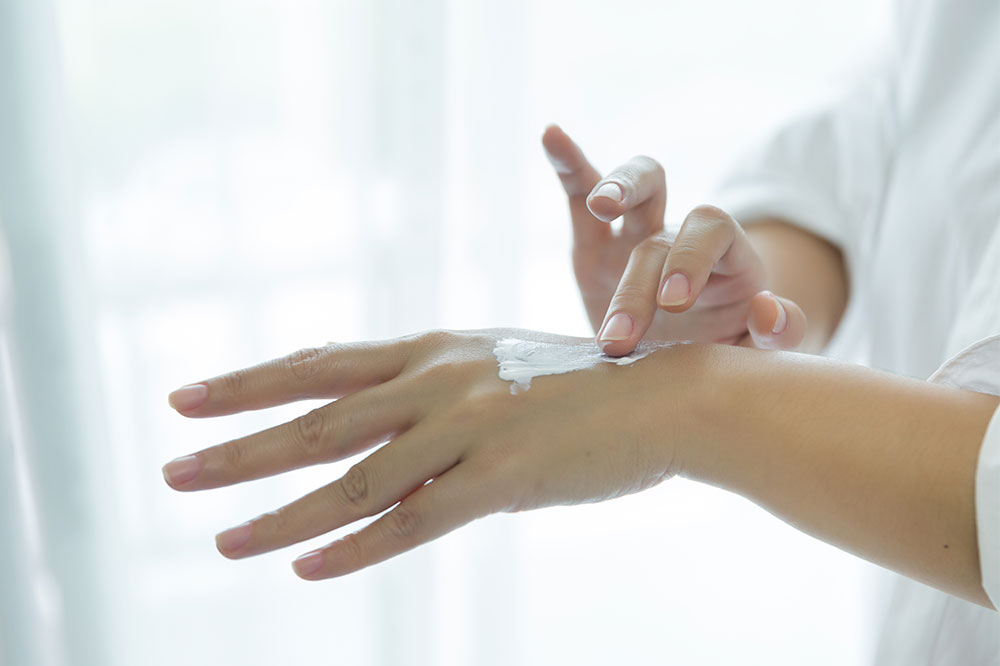
Eczema is a skin disease that affects 31.6 million people in the country as of 2022. It is a chronic condition that is more likely in children but can extend to adulthood. Typically the symptoms recede for some time and then appear in periods of flare-ups when there is contact with an allergen or trigger. However, living with eczema can be stressful, and it helps to know some home remedies that might offer immediate relief.
Everything to know about eczema
This condition is characterized by symptoms of dry and itchy skin. Rashes and bumps on the skin are also common, and patches of the skin are likely to become thick, leathery, flaky, or crusty. Swelling is typical during flare-ups. In most cases, patches are red, but they can also be gray, purple, or brown in darker skin tones. The most common places where eczema patches appear are the hands, elbows, feet, ankles, knees, neck, face, and around the ears.
The origin of eczema is usually a combination of causal factors. A family history of eczema and dermatitis increase the likelihood of developing this skin disease. If one lives in an environment with several allergens, like pollutants, smoke, or low humidity, and one’s daily routine includes chemicals in soaps, detergents, and skin care products, the chances of suffering from eczema also increase.
Tips to get rid of eczema
The following are 12 home remedies that offer relief from eczema. Remember that they are not magical cures but steps one can incorporate into one’s daily routine to ease the symptoms and extend periods of remission. Consulting a general practitioner or dermatologist is recommended if one is trying a new skincare routine or lifestyle change. These changes should be made considering one’s skin and other health conditions.
Coconut oil
One of the most fundamental problems in eczema is that the skin becomes dry. Thus moisturizing is essential. Instead of using a chemical product that might irritate the skin further, turn to coconut oil. Virgin or cold-pressed coconut oil offers the best eczema relief. Besides moisturizing, coconut oil provides antibacterial protection that reduces the chances of developing a comorbid skin condition.
Gloves
One of the worst things about eczema is the itching it brings along. Often nails worsen this skin disease since excessive scratching causes bleeding, which can lead to other infections. So one should keep the nails short and wear soft gloves at night to avoid inadvertently worsening skin.
Oatmeal packs
Colloidal oatmeal, made from finely ground oats, helps soothe inflamed skin. This remedy has shown effective results in relieving itching and softening rough patches of skin formed due to eczema. One can get colloidal oatmeal in powder form or as a cream. If one uses the powder, add it to the bathwater, preferably when lukewarm, and soak for 10-15 minutes. Those with eczema should not sit in the water too long, so try not to exceed 15 minutes.
Night showers
Another bath-related tip is to shower before bed. The skin gets irritated when the water is too hot or cold, and the itching worsens. So always use lukewarm water and keep the showers short. Moisturizing at night helps seal the moisture and reduces itching at night. One can slather on cream or ointment after a shower at night and use socks and gloves at bedtime.
Be picky about skincare products
Many skincare and make-up products contain fragrances that often irritate the skin. It is best to invest in fragrance-free products. Remember that unscented does not mean without fragrances. It only means the scent is masked. And moisturizers that come packaged in tubs are thicker than those in containers with pumps, and these are more likely to keep one’s skin conditioned for longer.
Make careful clothing choices
Loose-fitting clothes and garments made of linen, cotton, bamboo fibers, or silk help prevent skin irritation. Do not use wool and synthetic fabrics like nylon or polyester since these can trigger an eczema flare-up. Remember, it is not only the clothing during the daytime but also what one wears at night and what bedsheets one uses that matter.
Food diary
Food allergens trigger flare-ups of skin diseases. It is hard to keep track of all the food one eats, so maintain a diary to pinpoint the triggers accurately. Flare-ups are common up to two days after ingesting the allergen. Eggs, soy, and dairy are some examples of common triggers. One could visit an allergist to identify the allergens and treat or prevent the flare-ups.
Cold cloth therapy
Itching can be problematic despite the use of medicated creams and ointments. In such times, using a cold washcloth can help relieve symptoms of eczema. Put a washcloth in the freezer or refrigerator and after it becomes cold, place it on the eczema patches to ease redness and swelling. The chill numbs the skin and offers instant relief from itching. Do not put the washcloth on the affected skin for more than 15-20 minutes.
Calendula cream
Calendula is a herbal remedy that has been in use for centuries to heal the skin and treat inflammation, burns, and cuts. Studies show that it also improves blood flow to areas of injury or inflammation and helps hydrate the skin.
Disinfecting baths
Since eczema increases the chances of other skin infections, bleach baths can help disinfect the skin. It is ideal to try this once a week for 10 minutes. Add no more than half a cap of bleach into a whole tub of water. A cup full of vinegar can have a similar effect without the risk of exacerbating allergies.
Invest in humidifiers
Dry air is a common trigger of flare-ups. Sweat also worsens skin disease. Thus it is a good idea to maintain the moisture in the air around, using a humidifier. It helps to keep the skin hydrated.
Relax
The relationship between stress and eczema is established. Thus to gain relief from eczema, it is important to be calm and relaxed. Ensure to allot some time to self-care each day.