11 noticeable signs of iron deficiency in the body
Iron plays a pivotal role in various physiological processes. It contributes to the optimal functioning of the human body. Iron’s significance lies in its ability to facilitate the transportation of oxygen throughout the bloodstream. The repercussions of iron deficiency reverberate across multiple bodily systems, affecting cardiovascular health, immune response, cognitive function, and more. Exploring the diverse signs of iron deficiency illuminates the intricate interplay between this essential mineral and the body’s mechanisms.
Here are a few noticeable signs of iron deficiency in the body:
1. Fatigue and weakness
One of the earliest signs of iron deficiency is often fatigue and weakness. Individuals may experience a noticeable decline in energy levels, leading to feelings of tiredness even after adequate rest. This fatigue can impact daily activities, making tasks that were once routine more challenging. This persistent fatigue can also extend to mental exhaustion, affecting concentration and cognitive functions. Lack of iron impedes the body’s ability to produce sufficient oxygen-carrying hemoglobin, leading to decreased vitality.
2. Pale skin and conjunctiva
Iron plays a pivotal role in producing hemoglobin, the red pigment in the blood responsible for carrying oxygen. When iron levels are low, it can result in pale skin and pale or white areas inside the lower eyelids, known as conjunctiva. These visual clues are indicative of reduced oxygen transport in the bloodstream. The paleness may extend beyond the face, affecting the entire body. In severe cases, the skin may take on a noticeably pallid or sallow appearance, emphasizing the systemic impact of iron deficiency.
3. Shortness of breath
As iron deficiency impairs the ability of the blood to carry oxygen, individuals may experience shortness of breath, even with minimal physical exertion. This occurs as the body struggles to meet oxygen demands, affecting respiratory efficiency. The sensation of breathlessness may be particularly noticeable during activities that were once easily manageable. Climbing stairs, walking short distances, or engaging in light exercise can become more challenging as the body grapples with insufficient oxygenation.
4. Cold hands and feet
Inadequate iron levels can impact blood circulation, leading to cold extremities such as the hands and feet. The body prioritizes oxygen delivery to essential organs, and when there’s an iron deficiency, peripheral areas may receive less blood flow, causing a sensation of coldness. This poor circulation can extend to other areas, contributing to a feeling of chilliness. Individuals may need extra layers of clothing to stay warm, even in relatively mild temperatures.
5. Headaches and dizziness
The brain requires a consistent and sufficient supply of oxygen to function optimally. Iron deficiency can compromise this supply, resulting in headaches and dizziness. Individuals may experience difficulty concentrating and may feel lightheaded or dizzy even in non-strenuous situations. An increased sensitivity to light and noise may accompany persistent headaches. These symptoms collectively highlight the impact of iron deficiency on neurological function.
6. Brittle nails and hair loss
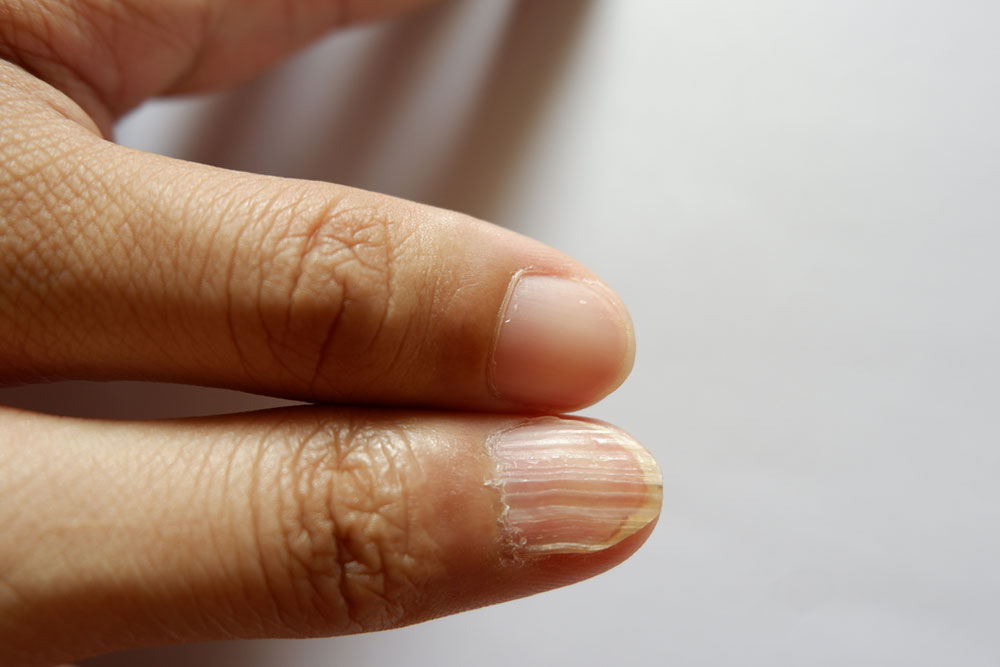
Iron deficiency can manifest externally through brittle nails and hair loss. The lack of iron affects the cells responsible for hair and nail growth, leading to increased fragility. Individuals may notice more hair shedding than usual and may observe changes in the texture and strength of their nails. Beyond hair loss, iron deficiency can contribute to developing a condition known as koilonychia, characterized by concave or spoon-shaped nails. This external manifestation underscores the role of iron in maintaining the health of hair and nails.
7. Difficulty swallowing
In severe cases of long-term iron deficiency, individuals may develop Plummer-Vinson syndrome, characterized by difficulty swallowing. This condition involves the formation of webs of tissue in the throat, making swallowing challenging and potentially leading to a sensation of a lump in the throat. Difficulty swallowing, also known as dysphagia, may be accompanied by pain or discomfort. It highlights the far-reaching consequences of chronic iron deficiency on various bodily functions.
8. Impaired immune function
Iron plays a vital role in supporting immune function, and a deficiency can compromise the body’s ability to ward off infections. Individuals with low iron levels may be more susceptible to illnesses and infections, experiencing a prolonged recovery period. Frequent infections, particularly respiratory infections like colds and flu, may become recurring. Addressing iron deficiency becomes essential not only for overall well-being but also for building a robust immune system.
9. Chest pain and rapid heartbeat
Iron deficiency can affect the cardiovascular system, leading to symptoms such as chest pain and a rapid or irregular heartbeat. The heart works harder to compensate for the blood’s reduced oxygen-carrying capacity, resulting in chest palpitations and discomfort. Individuals experiencing chest pain should seek prompt medical attention, as these symptoms can indicate more serious complications related to iron deficiency, such as heart problems.
10. Inflammation and sore tongue
Iron deficiency can manifest in oral health issues, including inflammation and a sore or smooth tongue. The tongue may appear redder than usual, and the papillae, the tiny bumps on the tongue’s surface, may diminish, leading to a smoother texture. Inflammation of the tongue, known as glossitis, can contribute to discomfort and difficulty eating or swallowing. Addressing iron deficiency can play a role in improving oral health and resolving these symptoms.
11. Impaired wound healing
Adequate iron levels are essential for wound healing and tissue repair. Iron deficiency can impair these processes, leading to delayed recovery from injuries, surgeries, or even minor cuts and bruises. Individuals may notice that wounds take longer to heal, and there may be an increased risk of infection due to the compromised immune response. Ensuring optimal iron levels supports the body’s natural healing mechanisms.